
The most potent herb in your cabinet might actually be working against you if it’s standing alone. It’s common to feel frustrated when a single-ingredient supplement fails to deliver the results you expected, or even causes unexpected side effects. When evaluating chinese herbal formulas vs single herbs, it’s vital to recognize that Traditional Chinese Medicine rarely relies on isolated plants. Instead, it utilizes a sophisticated system of synergy where various ingredients balance and enhance one another to treat the root cause of disharmony rather than just masking a symptom.
We understand that the vast array of botanical options can feel overwhelming, especially as the global market for these remedies is projected to reach as high as $289.08 billion in 2026. This guide will help you determine the most effective path for your wellness journey by explaining the logic behind traditional formulations. You’ll discover when a single herb is appropriate, why a complex formula often provides more sustainable results, and how new 2026 regulations for traceability are ensuring higher safety standards for your medicine. We’ll provide the clarity you need to make informed decisions for your long-term health and vitality.
Key Takeaways
- Understand the fundamental distinction between isolated botanical ingredients and the sophisticated architecture of multi-herb combinations.
- Learn how the comparison of chinese herbal formulas vs single herbs is defined by synergy, utilizing traditional hierarchies to enhance efficacy and balance.
- Discover the specific scenarios where a single herb is appropriate for minor symptoms versus when a formula is required for deep, systemic healing.
- Identify how professional formulations prioritize safety by reducing the risk of toxicity through lower, carefully balanced doses of multiple synergistic plants.
- Explore the methodology used by The Oriental Natural Herbs to bridge ancient wisdom with modern quality standards for your long-term wellness journey.
Understanding the Basics: Single Herbs and Traditional Chinese Formulas
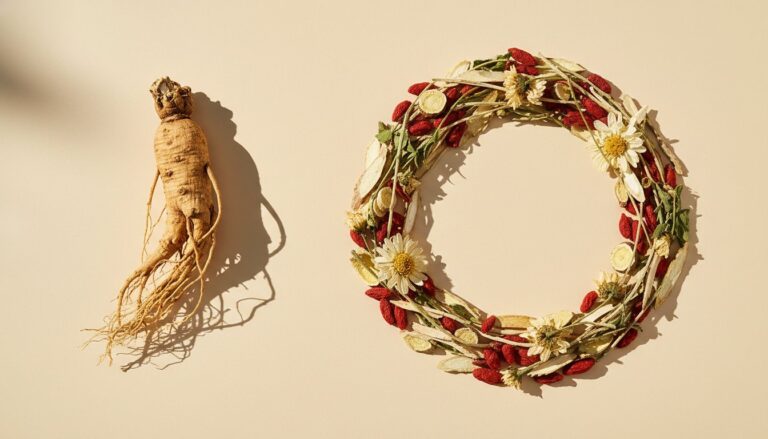
To begin any meaningful wellness journey, you must first understand the fundamental architecture of botanical medicine. The discussion surrounding chinese herbal formulas vs single herbs often stems from a misunderstanding of how plants interact with the human body. A single herb is an isolated botanical ingredient, such as Ginseng or Ginger, utilized for its specific, individual properties. These are the essential building blocks of natural healing. Traditional Chinese formulas, however, represent a sophisticated evolution of this practice. They are carefully curated combinations where multiple herbs work in concert to address complex patterns of disharmony within the body.
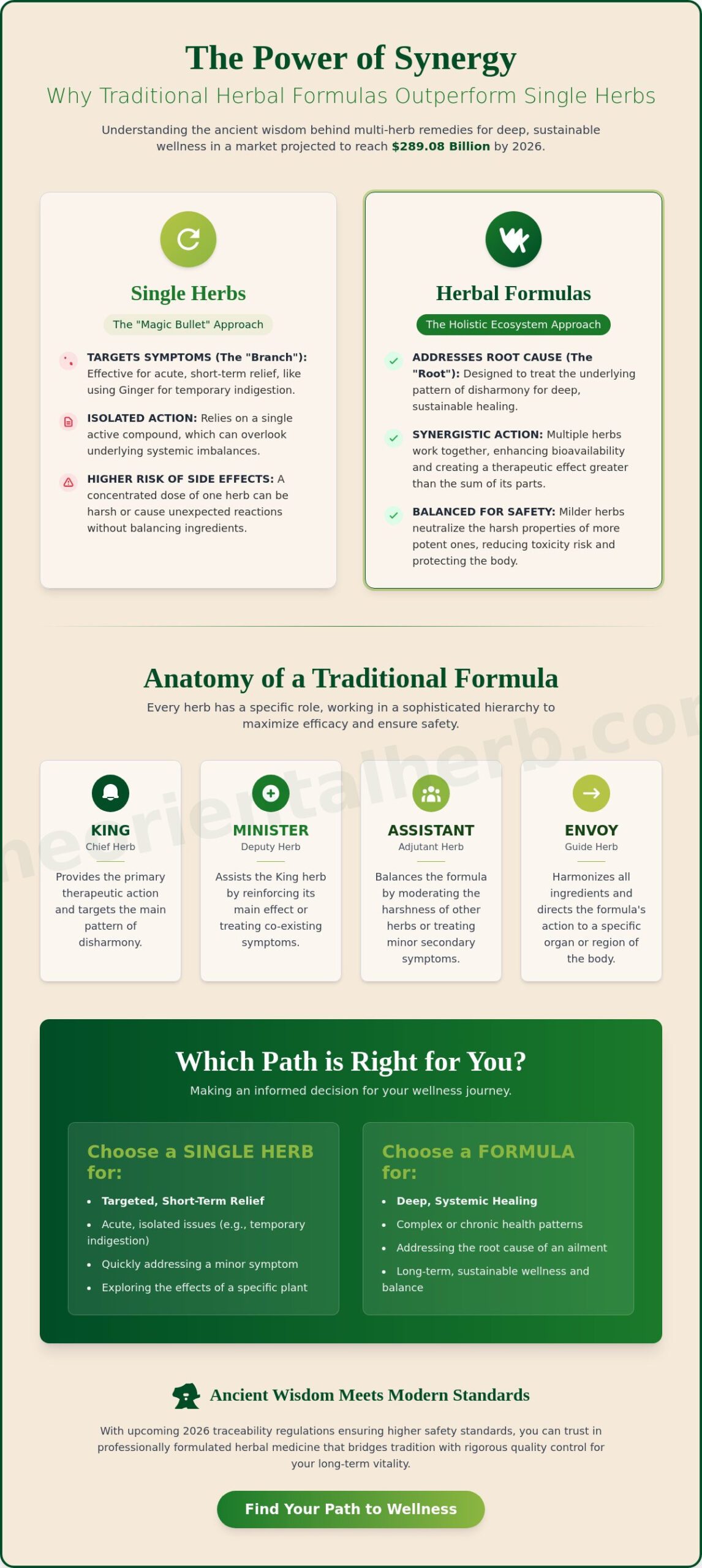
Western perspectives often favor the simplicity of a single active ingredient. This approach mirrors pharmaceutical logic, where one “magic bullet” targets one specific symptom. Eastern philosophy views the body as an interconnected ecosystem. In this context, a formula isn’t just a list of ingredients; it’s a strategic map designed to restore balance across multiple systems simultaneously. Both methods serve a purpose in modern care, provided they’re applied with discernment and respect for their unique strengths.
The Role of Single Herbs in Modern Wellness
Many individuals first encounter botanical medicine through “superfood” herbs like Turmeric or Ashwagandha. These single herbs have gained significant popularity for providing targeted, short-term symptomatic relief. For instance, you might use Ginger specifically to settle a bout of temporary indigestion. A single herb acts as a concentrated source of specific phytochemicals intended to trigger a precise physiological response. While effective for acute, isolated issues, relying solely on single herbs can sometimes overlook the underlying systemic imbalances that cause symptoms to recur. Understanding the critical distinction between herbal medicine vs home remedies can help clarify why a kitchen staple and a clinically formulated extract are not interchangeable tools for your health.
The Evolution of the Chinese Herbal Formula
The true depth of Chinese herbology is found in the “prescription,” known traditionally as Fang Ji. These formulas are the result of over 2,500 years of clinical refinement and observation. Practitioners discovered that combining certain plants could neutralize potential side effects while amplifying therapeutic benefits. This chemical synergy means the final formula is significantly more potent than the sum of its individual parts. By blending ingredients, a formula can support the body’s primary needs while protecting other organs, such as the digestive system, from irritation. This holistic structure ensures that the path to vitality is both thorough and sustainable.
The Power of Synergy: Why TCM Favors Multi-Herb Formulae
The concept of synergy is what transforms a simple collection of plants into a therapeutic powerhouse. In the context of chinese herbal formulas vs single herbs, synergy represents the idea that the whole is greater than the sum of its parts. Practitioners often describe this as a “1+1=3” effect. When specific herbs are combined, they can enhance each other’s bioavailability, allowing the body to absorb and utilize active compounds more efficiently than it would from a single isolated ingredient. This method also allows for “buffering,” where milder herbs neutralize the potentially harsh or irritating properties of more potent ones, ensuring the treatment remains gentle on the system.
Traditional Chinese Medicine (TCM) utilizes this approach to address both the “Root” and the “Branch” of an ailment simultaneously. While a single herb might effectively mask a “Branch” symptom, such as a temporary headache, a formula is designed to reach the “Root” cause, like a systemic deficiency or stagnation. By treating the underlying pattern of disharmony, formulas provide a depth of healing that single ingredients rarely achieve. When comparing Herbal Tea vs. Chinese Herbal Medicine, the primary difference lies in this structured, diagnostic approach to formulation. For those seeking these balanced solutions, exploring professional herbal medicine for health issues can provide a structured path toward recovery.
The Hierarchy of a Formula: King, Minister, and Beyond
Every traditional formula follows a strict organizational hierarchy known as Jun-Chen-Zuo-Shi. The King (Jun) herb is the primary driver of the therapeutic effect, directly targeting the main health concern. The Minister (Chen) herb supports the King by amplifying its actions and addressing secondary symptoms. To ensure safety, the Assistant (Zuo) herb harmonizes the blend and reduces any potential toxicity or harshness from the more powerful ingredients. Finally, the Guide (Shi) herb acts as a messenger, directing the entire formula to the specific organs or channels that require attention. This structure ensures that the medicine is precise, balanced, and comprehensive.
Balancing Temperature and Taste
Crafting a formula also requires a deep understanding of energetic properties. Practitioners balance “Hot” and “Cold” natures to prevent creating new internal disharmonies. If a patient suffers from a “Cold” condition, the formula will include warming herbs, but these are often balanced with “Neutral” or slightly “Cool” ingredients to prevent over-heating the body. This balance extends to the five tastes: Sour, Bitter, Sweet, Pungent, and Salty. Each taste corresponds to different organ systems and movements of energy. A well-crafted formula mimics the complexity of the human body, providing a multi-faceted response to the intricate nature of our health.
Comparing Efficacy: When to Use Single Herbs vs. Complex Formulas
Deciding between chinese herbal formulas vs single herbs often depends on the complexity of the imbalance you’re facing. While a single plant can provide rapid, targeted relief for an acute symptom, a formula is designed to reach deeper layers of the body to facilitate lasting change. This distinction is similar to the difference between putting out a small fire and restoring an entire landscape. Formulas offer a superior depth of healing because they address the systemic environment that allowed the issue to arise in the first place. Additionally, the bioavailability of active compounds is often higher in a formula. This is because certain ingredients act as catalysts, improving the body’s ability to absorb and transport nutrients to the necessary tissues.
When exploring Traditional Chinese Medicine: What You Need To Know, it’s clear that the focus remains on the individual rather than a generic diagnosis. A single herb might be effective for a simple, isolated incident, but it often lacks the breadth required to resolve chronic patterns. Formulas provide a more stable and sustainable energy shift because they are balanced to support the body’s overall vitality while they work on specific issues. This methodical approach ensures that your progress is steady and less prone to the “rebound” effects sometimes seen with isolated, high-dose supplements.
Single Herbs: Quick Relief for Simple Issues
Single herbs are most appropriate for straightforward, temporary concerns. For example, Peppermint is an excellent choice for settling occasional bloating after a meal, and Elderberry is widely used to support the immune system at the very first sign of a seasonal cold. These isolated ingredients are also useful when you want to test your individual sensitivity to a specific plant. However, their limitations become apparent when treating complex, systemic issues. Using a single herb for a chronic condition is often like trying to build a house with only one type of tool; it simply doesn’t provide the comprehensive support the body requires for long-term recovery.
Complex Formulas: The Gold Standard for Chronic Conditions
For long-term health goals such as managing chronic fatigue or achieving hormonal balance, chinese herbal formulas are the preferred choice. This preference is rooted in the concept of “Pattern Discrimination,” which involves treating the unique way a person experiences their condition. By combining multiple herbs, practitioners can create a multi-faceted response that addresses energy levels, blood flow, and organ function simultaneously. This holistic strategy creates a foundation for lasting vitality, making formulas the most reliable option for those who have found little success with single-ingredient supplements. They offer a sophisticated path toward wellness that respects the intricate nature of human health.
Safety and Customization: Navigating the Complexity of Herbal Medicine
A common misconception persists that botanical remedies are inherently safe simply because they’re natural. In reality, any substance capable of producing a therapeutic effect also carries the potential for side effects if used incorrectly. When comparing chinese herbal formulas vs single herbs, safety is often enhanced through the multi-ingredient approach. By utilizing lower doses of several different plants that share a similar goal, a formula achieves efficacy without overwhelming the body with a single, massive dose of one phytochemical. This strategy significantly reduces the risk of toxicity and adverse reactions that might occur when taking multiple isolated supplements independently. For a deeper look at how professional herbal medicine differs from casual home use, reviewing the key differences between herbal medicine vs home remedies provides essential context for making safe and informed choices.
Modern quality control plays a vital role in the safety of natural medicine today. Since May 15, 2026, new regulations have implemented comprehensive traceability systems for herbal pieces and granules to ensure safety and efficacy. These standards ensure that every ingredient is free from contaminants and meets precise potency requirements. Choosing a formula managed by a professional ensures that these safety protocols are respected throughout the entire supply chain, providing you with a reliable and well-vetted product.
Reducing Side Effects Through Formulation
The architecture of a traditional formula includes “Assistant” herbs specifically tasked with neutralizing the potential harshness of the “King” herbs. For instance, if a formula for a common cold contains potent cooling herbs to clear heat, a practitioner might add Ginger to protect the stomach lining from cold-induced irritation. This internal balancing act is why formulas are often better tolerated than high-dose single ingredients. It’s essential to source these blends from reputable distributors to ensure purity and the absence of adulterants. A well-constructed formula protects your vitality while it works to restore your health.
The Importance of Professional Consultation
A “one size fits all” approach found on retail shelves often fails because it ignores the unique constitution of the individual. Michael Kim, L.Ac, utilizes traditional diagnostic tools like pulse and tongue reading to select the exact formula suited for your current state of health. This level of customization is especially valuable for residents in Bergen County and surrounding NJ areas who seek a bridge between ancient wisdom and modern safety standards. To begin your personalized path to wellness, you can consult with an expert regarding herbal medicine for health issues today. Professional guidance ensures that your herbal regimen is both safe and perfectly aligned with your long-term goals.
Finding Your Path to Wellness with The Oriental Natural Herbs
Choosing between chinese herbal formulas vs single herbs is ultimately a decision about the depth of your healing journey. While single-ingredient supplements offer a simple entry point into natural health, the formula-based approach provides the structural integrity required for long-term vitality. By moving beyond the habit of “symptom-chasing,” you allow your body to address the root patterns of disharmony that often go ignored. This holistic perspective doesn’t just mask discomfort; it fosters a state of balance that supports every system in your body. At The Oriental Natural Herbs, we’re dedicated to helping you move away from temporary fixes toward a sustainable, vibrant lifestyle.
The transition from isolated herbs to synergistic formulas is a significant step toward taking control of your well-being. This method respects the complex nature of human physiology by providing a multi-layered response to health challenges. When you choose a professionally crafted formula, you’re benefiting from thousands of years of clinical refinement. This tradition ensures that your path to wellness is not a matter of guesswork but a structured progression toward better health. We provide the expertise and the high-quality resources necessary to make this transition both effective and reassuring.
A Legacy of Healing Since 1995
Michael Kim, L.Ac, has served the local community in New Jersey since 1995, building a reputation for excellence and dedication. Our commitment to the residents of Cliffside Park, Fort Lee, and the surrounding Bergen County area is rooted in a deep sense of community responsibility. We utilize only professional-grade herbal medicines that meet the highest standards of purity and potency. By combining historical authority with a modern commitment to safety, we act as a reliable mentor for those seeking informed decisions about their lifestyle. Personal consultations are available to help you develop a customized wellness plan that addresses your unique needs and goals.
Taking the First Step Toward Natural Vitality
We invite you to explore our carefully curated range of oriental herbal supplements to discover how synergy can transform your health. Every formula we offer is a testament to the safety and efficacy of traditional methods, backed by modern quality control standards. You don’t have to manage your wellness journey alone; our clinic is here to provide the steady, purposeful guidance you deserve. Local residents are encouraged to visit or contact us today to learn more about how our herbal medicine for health issues can support your long-term vitality. Let us help you bridge the gap between ancient wisdom and your contemporary health needs.
Empowering Your Journey Toward Holistic Balance
The transition from isolated ingredients to integrated healing requires a shift in perspective from simply managing symptoms to nurturing systemic vitality. As we’ve explored, the choice of chinese herbal formulas vs single herbs is a fundamental decision that dictates the depth and longevity of your results. While single plants serve as valuable tools for acute, temporary needs, traditional formulas offer a balanced, multi-faceted approach that protects the body while addressing the root causes of disharmony. This methodology ensures that every aspect of your constitution is respected and supported through both ancient wisdom and modern safety standards.
For over 30 years, Michael Kim, L.Ac, has served the Bergen County community, including Fort Lee, Cliffside Park, and Teaneck. As a Licensed Acupuncturist and Diplomate of Oriental Medicine since 1995, he provides the expertise needed to navigate the complexities of synergistic herbal medicine for complex health issues. We invite you to consult with Michael Kim, L.Ac to find your custom herbal formula today and begin a more purposeful path toward health. Your journey toward lasting vitality is a collaborative effort, and we are honored to act as your reliable mentor in this pursuit. Trust in the wisdom of tradition as you take these meaningful steps toward natural wellness.
Frequently Asked Questions
Are Chinese herbal formulas safer than taking single herbs in high doses?
Yes, formulas are generally safer because they utilize smaller amounts of several synergistic plants rather than a high concentration of one. When comparing chinese herbal formulas vs single herbs, the primary advantage is the “buffer” effect. This ensures that the body isn’t overwhelmed by a single phytochemical, which reduces the potential for toxicity while maintaining therapeutic efficacy. These balanced blends are designed to protect your vitality during the healing process.
Can I combine different single herbs myself to make a formula?
Creating your own blend is not advised because professional formulas require a precise understanding of botanical hierarchies and energetic temperatures. A traditional prescription isn’t just a mixture; it’s a strategic architecture designed to prevent internal disharmony. Without the proper training in “Jun-Chen-Zuo-Shi” principles, you risk creating a combination that is either ineffective or unintentionally irritating to your digestive system and overall health.
How long does it typically take to see results from a Chinese herbal formula?
The timeline for results varies based on whether your condition is acute or chronic. For simple issues like temporary indigestion, you may feel relief within hours or days. For complex imbalances like hormonal regulation or chronic fatigue, it often takes four to six weeks of consistent use to notice a systemic shift. This steady progression ensures that the healing is deep and sustainable rather than just a temporary mask.
Will a formula interfere with my Western medications?
Potential interactions exist between certain herbal ingredients and Western pharmaceuticals, so professional guidance is essential. A Licensed Acupuncturist will review your current medications to ensure there are no contraindications. Because herbs are potent biological agents, they can alter how the body processes certain drugs. Always provide a full list of your supplements and medications to your provider to ensure a safe and integrated approach.
Do I need to see an acupuncturist to get a traditional herbal formula?
While some formulas are available over the counter, consulting a Licensed Acupuncturist is the best way to ensure you receive a safe and effective prescription. These professionals use specific diagnostic tools like pulse and tongue reading to tailor the medicine to your unique constitution. This specialized guidance is what differentiates professional herbal medicine from generic retail supplements, leading to more predictable and successful outcomes for your wellness.
What is the most common single herb used in TCM formulas?
Licorice root, known as Gan Cao, is perhaps the most common single herb found in traditional prescriptions. It’s frequently utilized as a “Guide” or “Harmonizer” herb because of its ability to blend the diverse properties of other ingredients. By balancing the various tastes and temperatures within a formula, Licorice root ensures that the entire mixture works together smoothly without causing internal conflict or unnecessary digestive distress.
Are there side effects to taking multi-herb formulas?
Side effects are possible, though they’re often milder than those associated with isolated, high-dose supplements. Some individuals may experience temporary digestive changes as the body adjusts to the new botanical compounds. Because formulas are designed with “Assistant” herbs to neutralize harshness, these reactions are typically minimized. If you notice persistent discomfort, your practitioner can adjust the proportions of the blend to better suit your specific digestive sensitivity.
How do I know if I need a single herb or a formula for my specific condition?
Determining your needs depends on the complexity of your symptoms and the duration of the issue. When weighing the benefits of chinese herbal formulas vs single herbs, consider that single herbs are best for isolated, acute symptoms like a mild cold or temporary bloating. If you’re dealing with recurring issues, multiple symptoms, or a lack of energy, a formula is necessary to address the underlying root patterns.