
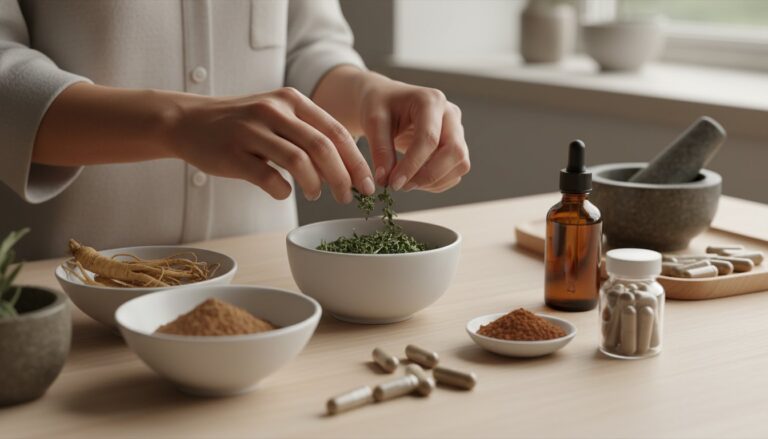
Selecting the right remedy isn’t merely about matching a plant to a symptom; it’s about aligning the herb’s energetic properties with your unique biological constitution. With 78% of consumers worldwide now preferring natural ingredients, the desire for holistic vitality is clear. However, the path to wellness often feels obscured by confusing labels and the valid fear of ingredient contamination. You aren’t alone if you feel uncertain about how to choose herbal medicine that’s both safe and effective for your specific needs. It’s natural to worry about how these potent plants might interact with your current medications or whether a product truly contains what it claims.
This article provides a professional framework to help you evaluate quality and understand how these ancient tools interact with modern health requirements. You’ll discover the essential criteria for selecting remedies tailored to your body’s specific balance. We’ll explore the vital distinctions between Eastern and Western traditions, establish rigorous safety standards, and help you connect with expert guidance in Northern New Jersey. By the end, you’ll have the confidence to make informed decisions that support your long-term health and community vitality. This structured approach ensures that your journey toward natural health is both grounded in tradition and verified by modern standards.
Key Takeaways
- Move beyond the “pill-for-an-ill” trap by understanding how sophisticated botanical chemistry addresses health issues at their source rather than merely masking symptoms.
- Gain clarity on how to choose herbal medicine by comparing Eastern and Western frameworks and identifying which energetic approach best suits your unique constitution.
- Assess the therapeutic potency and bioavailability of various delivery methods, such as tinctures and raw herbs, to ensure your chosen remedy offers maximum efficacy.
- Implement a professional five-point checklist to verify the sourcing ethics and third-party testing certifications of any natural health supplement you consider.
- Explore how a personalized consultation with a licensed expert in Bergen County can help you integrate historical herbal wisdom into a modern, results-oriented health plan.
How to Choose Herbal Medicine: Moving Beyond the Symptom
Herbal medicine represents a sophisticated system of botanical chemistry where hundreds of active compounds work in synergy to restore physiological balance. It isn’t merely a collection of “natural alternatives” to modern drugs. Instead, it’s a disciplined approach to health that requires an understanding of how these compounds interact with human biology. When individuals first look into how to choose herbal medicine, they often fall into the “pill-for-an-ill” trap. This mindset assumes that one specific herb should be taken for one isolated symptom, much like taking an over-the-counter painkiller for a temporary ache. This approach frequently fails in natural medicine because it ignores the underlying cause of the imbalance.
Effective herbal selection relies on the concept of constitutional health. This means the remedy must be tailored to your unique biological makeup and current state of vitality. A cooling herb might help one person’s inflammation but aggravate another person’s digestive coldness. This Herbal medicine overview highlights how traditional systems have successfully used these personalized methods for centuries. In the 2026 supplement market, this historical wisdom is now paired with rigorous quality standards. Following recent FDA updates, manufacturers are held to stricter identity documentation, ensuring that the botanical fingerprints of the plants match the labels on the bottle. True wellness comes from this intersection of ancient insight and modern transparency.
The Role of Professional Guidance in Selection
Self-diagnosis through internet searches often leads to ineffective results because a search engine cannot identify complex internal patterns. A Licensed Acupuncturist or herbal expert evaluates your thermal nature and pulse to find the root of the issue. This professional guidance is essential for safety. It ensures your herbal protocol doesn’t conflict with existing medications, preventing common drug-herb interactions that could compromise your health goals.
Understanding Natural Health Supplements as Medicine
It’s vital to view herbs as active pharmacological agents. There’s a significant difference between culinary herbs used for flavor and therapeutic-grade medicinal herbs used for clinical results. The latter are processed to maintain high concentrations of bioactive constituents. As the global demand for natural health supplements reached $85.4 billion in the U.S. by 2026, discerning consumers must prioritize potency over convenience. Learning how to choose herbal medicine means choosing products that respect the plant’s chemical integrity.
Eastern vs. Western Herbalism: Which Framework Fits You?
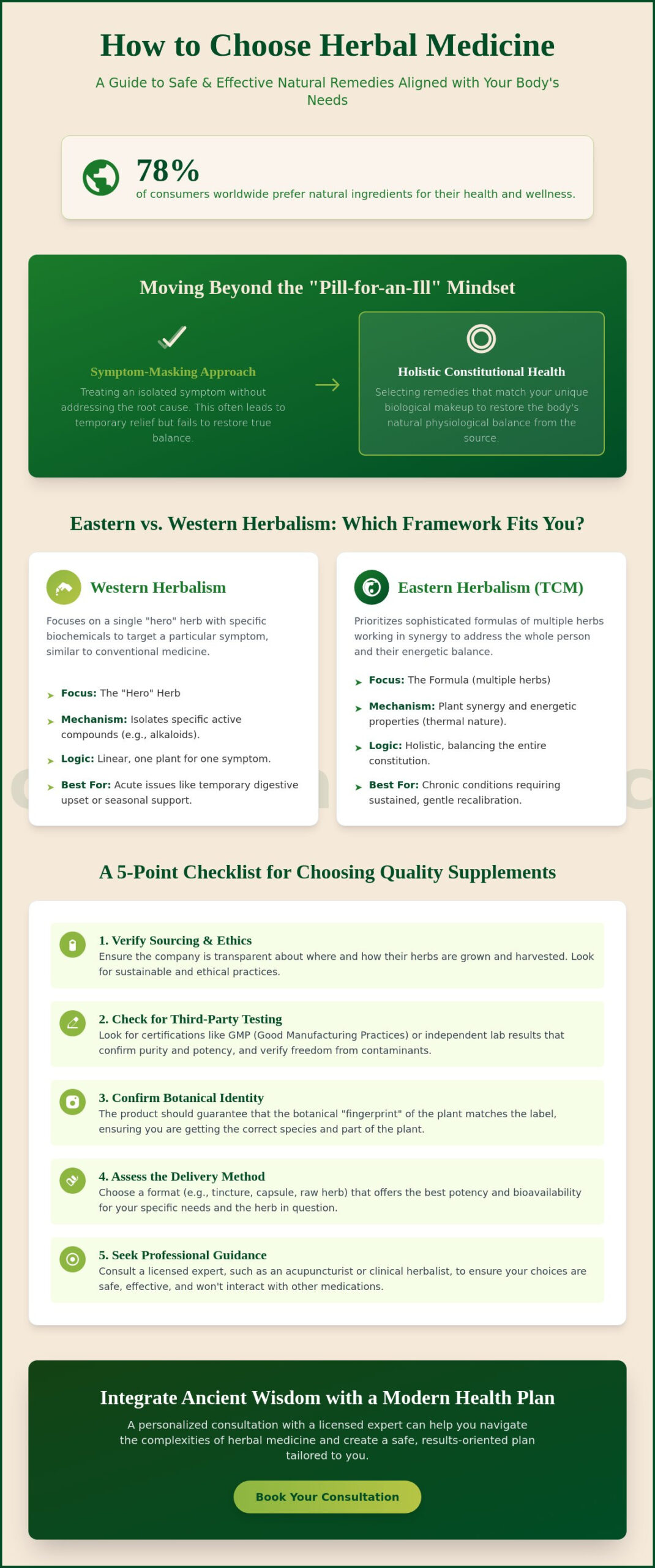
Understanding the philosophical differences between Eastern and Western traditions is a vital step in learning how to choose herbal medicine that aligns with your recovery goals. Western herbalism historically focuses on the “hero” herb. This approach identifies a single plant with specific biochemical constituents, such as polyphenols or alkaloids, to target a particular symptom. While this method is highly effective for acute issues like temporary digestive upset or seasonal support, it often mirrors the linear logic of conventional medicine. In contrast, Eastern traditions, particularly Traditional Chinese Medicine (TCM), prioritize the formula over the individual plant. These formulas are sophisticated architectures designed to address the whole person rather than an isolated ailment.
A cornerstone of professional herbal selection is the concept of thermal nature. Every plant possesses an energetic temperature, ranging from cold and cooling to warm and hot. For instance, if a person suffers from “heat” symptoms like redness or irritability, a practitioner would avoid warming herbs like ginger in favor of cooling botanicals. This energetic balancing is why synergy remains so critical in TCM. By combining multiple herbs, a practitioner can enhance the therapeutic effect while neutralizing potential side effects. This method is particularly beneficial for chronic conditions where the body requires a gentle, sustained recalibration of its internal environment. For those seeking a reliable Guide to Herbal Medicine, recognizing these energetic distinctions is essential for safety.
Traditional Chinese Medicine (TCM) Selection Logic
TCM selection logic is rooted in the movement of Qi and Blood through the organ systems. Practitioners don’t just look at the surface symptom; they identify the underlying pattern of disharmony. A professional formula often includes “helper” herbs that assist the primary ingredients by improving absorption or protecting the stomach lining. This focus on the root cause is why TCM is often the preferred choice for long-term vitality. If you’re struggling with persistent imbalances, seeking natural health supplements through the lens of TCM can provide a more comprehensive path to wellness.
Western Herbalism and Modern Botanical Science
Modern Western herbalism has evolved to integrate traditional knowledge with clinical research. It relies heavily on standardized extracts to ensure a consistent dosage of active chemicals. This system is excellent for those who prefer a targeted, evidence-based approach to specific health concerns. It’s often easier to integrate into a busy lifestyle due to its focus on convenience and single-ingredient potency. Both systems have merit, and many people find success by using Western botanicals for immediate needs while utilizing Eastern formulas for systemic health. Deciding how to choose herbal medicine ultimately depends on whether you’re treating a temporary flare-up or seeking to transform your baseline health.
Comparing Delivery Methods: Capsules, Tinctures, and Raw Herbs
Bioavailability is the measure of how much of a medicinal substance actually enters your bloodstream to perform its intended function. It’s a critical factor when deciding how to choose herbal medicine. While capsules and tablets currently account for 46% of herbal medicine consumption globally according to 2025 data, they aren’t always the most effective choice for every condition. Some dense roots and barks require decoction, or boiling, to break down tough cellular walls and release their therapeutic compounds. Understanding these nuances helps you select the format that matches your lifestyle and health needs without sacrificing potency.
The delivery method you select often depends on the balance between convenience and the depth of treatment required. For instance, a person managing a chronic, deep-seated imbalance may benefit more from the strength of a traditional tea, while someone seeking immune support during travel might prefer a portable extract. For those who want to ensure they’re following the best safety practices, the NCCIH provides an excellent resource on Choosing Quality Supplements. This guidance is especially helpful when navigating the wide variety of formats available in the modern market.
Herbal Capsules and Tablets: The Convenience Factor
Standardized extracts in capsules provide a consistent dose of specific active constituents, such as ginsenosides or curcuminoids. This is helpful for maintaining a steady level of a compound in your system. However, whole-herb powders in capsules might lack the potency of a concentrated extract. When selecting natural health supplements in this format, check the label for unnecessary fillers, binders, or artificial colors. High-quality products prioritize the purity of the botanical over shelf-life stability or aesthetic appearance.
Tinctures and Liquid Extracts: Rapid Absorption
Tinctures use alcohol, water, or glycerin to pull medicinal properties from the plant material. These liquid extracts offer rapid absorption because they bypass much of the digestive process, especially when held under the tongue for mucosal absorption. They also allow for precise, adjustable dosing. You can easily increase or decrease the number of drops based on your practitioner’s specific recommendations. This flexibility makes them a favorite for both acute support and long-term maintenance.
Raw Herbs and Granules: The Traditional Gold Standard
Raw herbs remain the most powerful delivery system in traditional practice. Boiling raw plants into a concentrated liquid allows for the highest level of personalization. A practitioner can adjust the exact ratio of every ingredient to fit your constitution. If the time required for boiling is a barrier, granules offer a modern middle ground. They are pre-decocted powders that dissolve instantly in hot water. Integrating oriental herbal supplements in these formats ensures you’re receiving a remedy that is as close to its natural state as possible. Knowing how to choose herbal medicine in these traditional forms often leads to more profound and lasting health outcomes.
A 5-Point Checklist for Choosing Quality Supplements
The U.S. dietary supplement market reached $85.4 billion in 2026, creating a vast landscape of choices that can often feel overwhelming for the individual seeker. To ensure your safety and the efficacy of your treatment, you must follow a methodical approach to selection. Knowing how to choose herbal medicine requires looking past the branding to the scientific and ethical foundation of the product. This professional checklist serves as your guide to identifying remedies that meet the highest industry standards.
- Step 1: Verify the Source and Sourcing Ethics. Quality begins with the soil and the harvest. Reputable providers should be transparent about where their botanicals are grown and whether they use sustainable, pesticide-free practices.
- Step 2: Look for Third-Party Testing. Independent verification ensures the product’s identity and purity. This step confirms that the herb listed on the label is actually what’s inside the bottle.
- Step 3: Evaluate the Concentration Ratio. Look for extracts labeled with ratios like 5:1. This indicates that five pounds of raw herb were used to create one pound of concentrated powder, which is a hallmark of therapeutic potency.
- Step 4: Distinguish Between Practitioner and Retail Grade. Practitioner-grade supplements are typically held to more rigorous purity standards and higher active constituent levels than those found in general big-box stores.
- Step 5: Review Expiration and Batch Dating. Active botanical compounds can degrade over time. Clear batch numbers and expiration dates are essential for tracking the freshness and safety of the lot.
Spotting Red Flags in Herbal Marketing
You should remain cautious of any product that promises “miracle cures” or uses vague “proprietary blends” to hide the actual dosage of ingredients. These blends often contain high amounts of inexpensive fillers and only trace amounts of the expensive medicinal herbs you actually need. Additionally, price is frequently a direct indicator of quality. If a supplement is significantly cheaper than its competitors, it may contain synthetic additives or lower-quality plant parts. Learning how to choose herbal medicine means prioritizing long-term health over short-term savings.
The Importance of Third-Party Verification
Authentic seals from organizations like USP or NSF provide a layer of trust by confirming that the manufacturer adheres to strict quality control protocols. Heavy metal testing is a non-negotiable requirement for high-quality herbal medicine to ensure that lead, arsenic, and mercury levels remain within safe clinical limits. Good Manufacturing Practices (GMP) represent the essential baseline for safety and identity documentation in the 2026 supplement industry. For those who prioritize purity, selecting professional-grade herbal medicine ensures your health protocol is backed by rigorous laboratory standards.
Expert Herbal Selection in Bergen County: The Oriental Natural Herbs
Michael Kim brings a wealth of expertise as a Licensed Acupuncturist and Traditional Chinese Medicine (TCM) expert to the residents of Bergen County. At The Oriental Natural Herbs, the focus remains on providing a bridge between ancient botanical wisdom and the practical needs of modern life. When you’re determining how to choose herbal medicine, the most reliable path involves professional assessment rather than guesswork. Michael Kim utilizes a methodical consultation process that examines the individual’s unique constitution, pulse, and health history to identify the specific patterns of disharmony. This personalized attention ensures that the remedy selected is not only safe but also specifically targeted to the person’s biological requirements.
The clinic maintains a steadfast commitment to quality by offering only practitioner-vetted traditional chinese herbs. These selections undergo rigorous screening to ensure they meet the purity and potency standards discussed earlier in this guide. By serving a broad local reach that includes Fort Lee, Teaneck, and Cliffside Park, the clinic acts as a stable resource for the Northern New Jersey community. This local accessibility allows residents to receive high-level care without having to travel far from home. The goal is always to provide a supportive environment where seekers can find clarity in an often confusing marketplace.
A Bridge Between Tradition and Modern Wellness
The health needs of the Northern NJ community are diverse, requiring an approach that values both historical authority and contemporary safety. The Oriental Natural Herbs focuses on herbs that support long-term vitality instead of just offering temporary relief for surface symptoms. This mission-driven approach is why so many local families trust the clinic for their natural health supplements. By prioritizing the collective health of the public, the clinic helps individuals make informed decisions that contribute to their overall well-being and community vitality.
How to Get Started with a Custom Herbal Plan
Beginning your journey toward better health is a structured and deliberate process. The first step involves booking a comprehensive herbal assessment to discuss your specific goals. When you arrive for your first visit, it’s helpful to bring a complete list of any current medications and a detailed health history. This information is vital for Michael Kim to ensure there are no interactions and to refine the logic of your custom plan. If you’re ready to learn how to choose herbal medicine with the guidance of a dedicated expert, schedule your consultation with Michael Kim today. Taking this step leads you away from uncertainty and toward a well-vetted, purposeful path to natural health.
Achieving Lasting Vitality Through Informed Herbal Selection
Achieving lasting health requires a shift from addressing isolated symptoms toward supporting the body’s internal harmony. By applying a rigorous quality checklist and choosing delivery methods that maximize bioavailability, you can ensure your wellness protocol is both safe and effective. Understanding how to choose herbal medicine is the first step toward a more resilient lifestyle grounded in historical wisdom and modern standards. This methodical approach transforms a confusing array of supplements into a purposeful strategy for long-term well-being.
The Oriental Natural Herbs has served as a cornerstone of the Northern New Jersey community since 1995. With over 30 years of experience, Michael Kim, a Licensed Acupuncturist and Diplomate of Oriental Medicine, provides expert guidance in selecting high-purity, practitioner-grade herbal formulas. This professional oversight bridges the gap between ancient tradition and your contemporary health needs. You deserve a health plan that respects your unique constitution and promotes systemic vitality. Empower your health with a personalized herbal consultation at The Oriental Natural Herbs. We look forward to supporting your path to natural balance and helping you achieve your long-term health aspirations with confidence.
Frequently Asked Questions
How do I know if an herbal supplement is safe to take with my prescription medication?
You must consult with a qualified healthcare professional, such as a Licensed Acupuncturist or your primary physician, before combining botanicals with pharmaceutical drugs. Certain herbs can alter the metabolism of medications, either reducing their efficacy or dangerously increasing their potency. A professional review of your current medication list ensures that your natural health protocol remains safe and does not lead to adverse biochemical interactions.
What is the difference between a standardized extract and a whole herb supplement?
Standardized extracts are manufactured to contain a specific, guaranteed amount of a primary active constituent, such as ginsenosides in ginseng. This provides a consistent dosage for targeted therapeutic results. In contrast, whole herb supplements utilize the entire plant part, preserving the natural synergy of all its chemical compounds. While extracts offer concentrated power, whole herbs are often preferred for their balanced, traditional approach to systemic health.
How long does it typically take to see results from herbal medicine?
The timeline for results depends on whether you’re addressing an acute issue or a chronic imbalance. Acute conditions, such as seasonal immune challenges, may show improvement within 48 to 72 hours. However, chronic health issues often require a more methodical approach. In these cases, it’s common to see significant systemic shifts after three to six months of consistent use as the body’s internal environment gradually recalibrates.
Can I choose herbal medicine based on my own research, or do I need a practitioner?
While self-research provides a helpful foundation, a professional evaluation is the only way to ensure a remedy matches your internal thermal nature. A Licensed Acupuncturist assesses specific physical indicators to identify imbalances that a search engine cannot detect. This expert guidance is the safest method for understanding how to choose herbal medicine that supports your long-term vitality without causing unwanted energetic shifts in your body.
What are the most important certifications to look for on an herbal medicine label?
The most critical certification is GMP, or Good Manufacturing Practices, which ensures the facility follows rigorous safety and identity documentation standards. You should also look for third-party seals from organizations like USP or NSF. These certifications verify that the product has been laboratory tested for purity and is free from contaminants like heavy metals, pesticides, or synthetic additives that are often hidden in lower-quality supplements.
Are Chinese herbs more effective than Western herbal supplements?
Neither system is inherently superior; instead, they offer different frameworks for healing. Western herbalism often utilizes a single-herb approach to target specific symptoms, much like modern medicine. Traditional Chinese Medicine focuses on multi-herb formulas designed to address the root cause of a disharmony. Your choice should depend on whether you’re seeking a targeted biochemical effect or a comprehensive rebalancing of your body’s organ systems and Qi.
What should I do if I experience a side effect from a natural health supplement?
If you experience an adverse reaction, discontinue use immediately and contact your healthcare provider. Side effects in herbal medicine often indicate that the herb’s energetic properties, such as its thermal nature, aren’t a proper match for your current constitution. Documenting the specific symptoms and the timing of the reaction helps your practitioner adjust your formula or dosage to better align with your body’s unique requirements and safety needs.
Where can I find high-quality herbal medicine in the Bergen County area?
High-purity, practitioner-grade formulas are available at The Oriental Natural Herbs in Northern New Jersey. Led by Michael Kim, the clinic serves residents in Fort Lee, Teaneck, and Cliffside Park with a focus on vetted, therapeutic-grade remedies. This local resource ensures you have access to expert guidance on how to choose herbal medicine that meets professional standards for safety and efficacy, providing a reliable alternative to big-box retail supplements.