
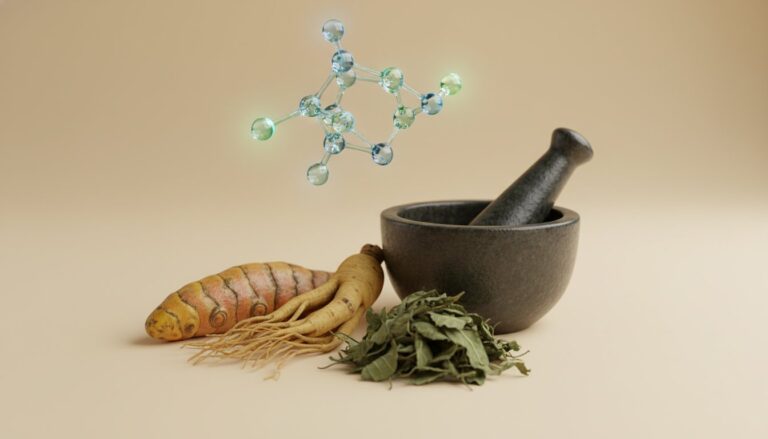
What if the secret to managing chronic inflammation isn’t found in a synthetic laboratory, but within the complex molecular structures of ancient botanicals? For many, the reliance on long-term pharmaceutical anti-inflammatories brings a heavy burden of side effects and a desire for a more sustainable path to health. You might find yourself searching for what active compounds in traditional chinese medicine helps reduce inflammation while feeling hesitant about whether these natural solutions are truly backed by science. It’s understandable to seek clarity in a field that often feels shrouded in mystery or dismissed as anecdotal.
This guide provides that clarity by examining the specific bioactive compounds that modern biotechnology now recognizes as powerful immune modulators. You’ll discover how substances like curcumin, baicalein, and ginsenosides work to regulate inflammatory pathways rather than simply blocking them. We’ll examine the relationship between traditional heat-clearing philosophies and modern cellular science to help you choose high-quality herbal solutions with confidence. By the end of this article, you’ll understand how these time-tested remedies offer a sophisticated, multi-targeted approach to restoring your body’s natural vitality and long-term balance.
Key Takeaways
- Understand the historical connection between the traditional Chinese concept of “Heat” and modern inflammatory responses to appreciate the foundation of herbal healing.
- Identify exactly what active compounds in traditional chinese medicine helps reduce inflammation, including a detailed look at potent alkaloids, flavonoids, and saponins.
- Discover the biological mechanisms that allow these natural agents to modulate the NF-κB pathway, effectively acting as a master switch for the body’s immune response.
- Explore the specific roles of herbs like Huang Lian and Huang Qin, which provide concentrated sources of berberine and baicalin for systemic cooling.
- Learn why a personalized approach is essential in herbal medicine and how professional guidance ensures your health strategy remains safe and effective.
Understanding Inflammation Through the Lens of Traditional Chinese Medicine
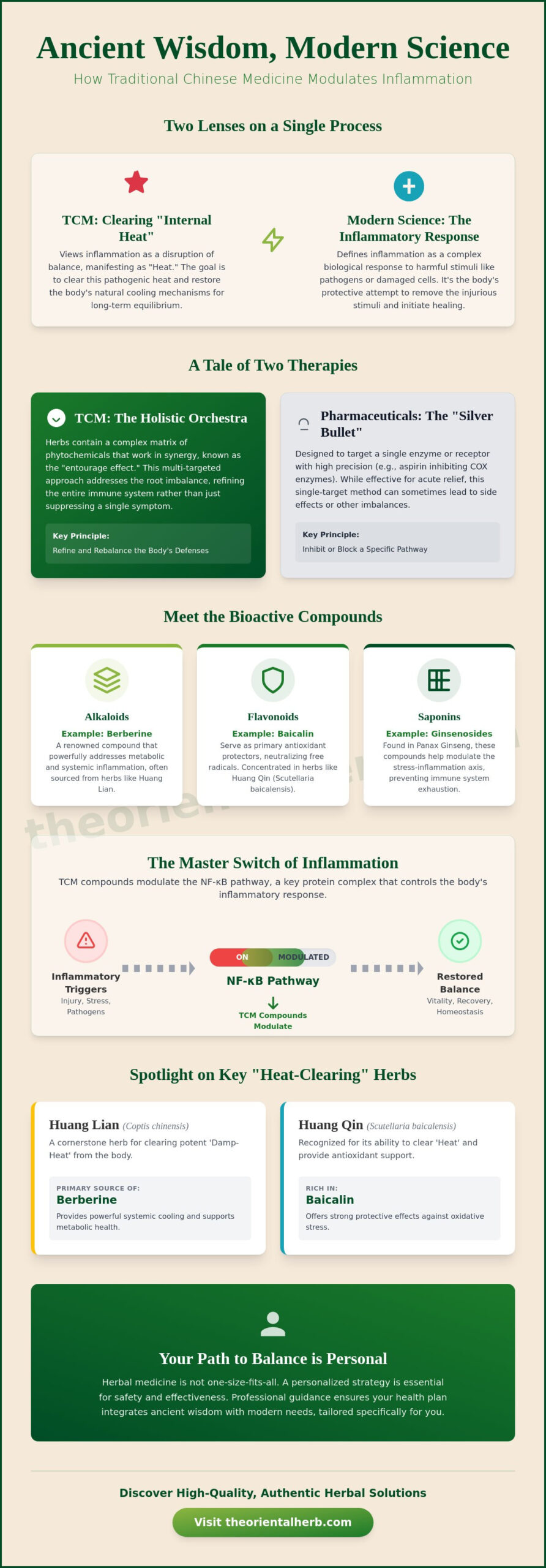
In the framework of Traditional Chinese Medicine, health is viewed as a state of dynamic equilibrium. When this balance is disrupted, the body often manifests what practitioners identify as “Heat” or “Damp-Heat.” While modern clinical settings describe inflammation as a biological response to harmful stimuli, TCM has recognized these patterns for centuries through the lens of thermal and energetic qualities. Understanding what active compounds in traditional chinese medicine helps reduce inflammation requires first acknowledging that these substances were originally classified as “Qing Re Yao,” or heat-clearing herbs. These botanical agents don’t merely mask symptoms. Instead, they work to clear pathogenic heat and restore the body’s natural cooling mechanisms. This transition from seeking immediate, acute relief toward achieving long-term systemic balance is a hallmark of high-quality herbal medicine. By addressing the environment in which inflammation thrives, these remedies provide a sustainable path for those managing persistent health challenges.
The Concept of ‘Internal Heat’ and Modern Pathology
The classic pillars of inflammation (redness, swelling, heat, pain, and loss of function) align precisely with the TCM description of “Full Heat.” However, the challenge for many today is chronic, low-grade inflammation. In Eastern medicine, this persistent state is often categorized as “Deficiency Heat.” It’s a subtle, flickering fire that consumes the body’s resources over time. Within this biological process, cytokines act as the primary chemical messengers of “Heat,” signaling the immune system to remain in a state of high alert. Identifying what active compounds in traditional chinese medicine helps reduce inflammation allows us to see how nature provides tools to quench this internal fire. By modulating these messengers, practitioners can help the body transition from a state of constant defense to one of active recovery and repair.
Why Multi-Targeted Therapy Matters
Modern pharmaceuticals are typically designed as “silver bullets” that target a single enzyme or receptor, such as how aspirin inhibits COX enzymes. While effective for temporary relief, this single-target approach can sometimes lead to imbalances elsewhere in the body. In contrast, traditional herbs contain a complex matrix of phytochemicals that work in harmony. This is often referred to as the “entourage effect,” where multiple compounds enhance each other’s efficacy while minimizing potential toxicity. Because these formulas are multi-targeted, they address the root cause of the imbalance. They don’t just lower a single inflammatory marker; they encourage the entire immune system to return to a state of peaceful regulation. This holistic strategy ensures that the body’s defense mechanisms are refined rather than simply suppressed, fostering a deeper level of vitality.
Primary Bioactive Compounds in TCM for Inflammatory Response
While the philosophical concept of clearing “Heat” provides a vital framework, modern pharmacology allows us to identify the specific molecular actors at play. Researchers have categorized several major phytochemical groups that contribute to these therapeutic effects. These include alkaloids, flavonoids, saponins, and terpenoids. Each group possesses a unique chemical structure that interacts with human biology in distinct ways. Understanding what active compounds in traditional chinese medicine helps reduce inflammation requires a look at these diverse categories. For instance, berberine is a renowned alkaloid that addresses metabolic and systemic inflammation. Meanwhile, ginsenosides found in Panax ginseng help modulate the stress-inflammation axis, ensuring the body doesn’t remain in a state of permanent “fight or flight” that can exhaust the immune system.
Flavonoids: The Antioxidant Protectors
Flavonoids like quercetin and baicalin serve as primary antioxidant protectors within both the plant kingdom and the human body. These compounds are highly concentrated in herbs such as Scutellaria baicalensis, also known as Huang Qin. Their primary function involves stabilizing cell membranes against oxidative stress. This stabilization prevents the cascade of cellular damage that typically leads to chronic swelling and tissue degradation. By reinforcing the integrity of cellular barriers, flavonoids act as a sophisticated first line of defense against environmental and internal triggers. They effectively “cool” the cellular environment before the inflammatory process can escalate, providing a layer of protection for sensitive tissues.
Alkaloids and Saponins: Potent Immune Modulators
Alkaloids and saponins represent some of the most potent immune modulators available in nature. Berberine, a bright yellow alkaloid found in Coptis chinensis, has been shown to suppress proinflammatory pathways by inhibiting the NF-κB “master switch.” This specific inhibition prevents the cell nucleus from producing a wide array of inflammatory proteins. Similarly, saponins from Astragalus support immune regulation without causing overstimulation. It’s vital to distinguish between “immune-boosting” and “immune-modulating” compounds. While a boost might be temporary or even counterproductive in certain contexts, modulation seeks to balance an overactive or underactive system. This nuanced approach is why many people turn to carefully formulated herbal medicine to manage long-term health.
Curcumin, a polyphenol found in turmeric, is perhaps the most well-documented agent for interfering with inflammatory signaling. It works by downregulating enzymes like COX-2 and 5-LOX, which are often the primary targets of conventional over-the-counter medications. However, curcumin’s effect is broader, influencing multiple pathways simultaneously. When these specific compounds are combined in traditional formulas, they offer a comprehensive shield. Baicalin, in particular, has gained attention for its role in respiratory defense. It helps soothe delicate tissues that have become reactive to airborne irritants or seasonal changes. This multi-layered defense is what makes traditional botanical extracts so resilient in the face of complex, modern health challenges.
The Biological Mechanisms: How TCM Compounds Modulate Pathways
Biological pathways are rarely isolated; they intersect and overlap in ways that modern science is only beginning to fully map. A primary advantage of botanical extracts lies in their “poly-mechanism” profile. Instead of suppressing a single pathway, these compounds interact with several signaling networks at once. This holistic intervention is precisely why many researchers prioritize the study of the Anti-inflammatory Activity of TCM Herbs. When investigating what active compounds in traditional chinese medicine helps reduce inflammation, the most significant discovery is their ability to influence multiple biological targets simultaneously. By modulating these pathways, traditional remedies help the body resolve inflammation without the “rebound” effects often seen with single-target synthetic drugs.
Blocking the NF-κB Master Switch
Nuclear Factor-kappa B, or NF-κB, serves as the master switch for the body’s inflammatory response. When activated, it enters the cell nucleus and triggers the production of various harmful proteins. Active compounds like Triptolide, derived from Tripterygium wilfordii, work by preventing this switch from being flipped. This mechanism is vital for managing autoimmune conditions where the body’s defense system is perpetually “on.” Consequently, NF-κB inhibition is a primary goal for 2026 anti-inflammatory research.
Enzyme Regulation: COX-2 and iNOS
Many people are familiar with non-steroidal anti-inflammatory drugs (NSAIDs) that target the COX-2 enzyme to reduce pain. While effective, these drugs can often cause gastrointestinal distress because they aren’t always selective. Certain TCM compounds offer a more refined approach by selectively inhibiting COX-2 while sparing the protective COX-1 enzyme. Additionally, these herbs frequently target inducible nitric oxide synthase (iNOS). By inhibiting iNOS, these botanicals reduce the production of nitric oxide, which prevents oxidative damage to healthy tissues.
Beyond enzyme regulation, these phytochemicals significantly suppress pro-inflammatory cytokines such as TNF-α, IL-1β, and IL-6. These proteins act as the body’s alarm system. By lowering their concentration, herbal medicine calms the systemic “noise” that leads to chronic fatigue and joint discomfort. Emerging research also suggests these compounds influence the gut-brain axis. By improving the health of the intestinal barrier and the microbiome, they reduce the translocation of toxins into the bloodstream. This comprehensive approach ensures that the systemic environment remains stable and resilient against future triggers.
Key Anti-Inflammatory Herbs and Their Active Components
While understanding molecular pathways is essential, the practical application of this wisdom lies in selecting the right botanical sources. Each herb in the traditional pharmacopeia offers a unique chemical fingerprint. When we ask what active compounds in traditional chinese medicine helps reduce inflammation, we often look toward specific roots and rhizomes that have been prized for millennia. For instance, Huang Lian (Coptis Chinensis) serves as the premier source of berberine, which is particularly effective for addressing inflammation in the digestive tract. Those seeking a deeper understanding of how these botanicals support gut wellness may benefit from exploring herbal remedies for digestive health, which details how specific plant compounds restore balance to the gastrointestinal system. Conversely, Huang Qin (Scutellaria Baicalensis) provides high concentrations of baicalin, which is favored for its systemic cooling effects and respiratory support. Choosing the correct herb depends entirely on where the “Heat” is located in your body.
The ‘Yellow’ Herbs of TCM: Huang Lian and Huang Qin
In traditional theory, herbs with a distinct yellow color are frequently associated with clearing “Damp-Heat.” Modern scientific analysis has confirmed that this vibrant pigmentation often signals the presence of potent alkaloids and flavonoids. These substances possess strong antimicrobial and anti-inflammatory properties that help stabilize the immune system. Because of their reliability, these botanicals are foundational ingredients in many modern oriental herbal supplements. They provide a natural alternative for those looking to manage systemic irritation without the harshness of synthetic chemicals. Their ability to “cool” the blood and tissues makes them indispensable for maintaining long-term wellness.
Turmeric and Ginger: The Dynamic Duo
Jiang Huang, or Turmeric, has become a global standard for curcumin-based relief, particularly for joint health. However, its effectiveness is significantly enhanced when paired with Sheng Jiang (Ginger). The gingerols found in ginger work synergistically with curcumin to improve its absorption and bioavailability. When these two are taken together, they modulate inflammatory signaling more effectively than either could alone. When you’re reviewing a supplement label, look for standardized extracts that guarantee a specific percentage of active curcuminoids. This ensures you’re receiving a therapeutic dose rather than just culinary-grade powder.
Finally, Ren Shen (Ginseng) offers a unique approach by using ginsenosides to balance the stress-inflammation axis. While other herbs focus on direct cooling, Ginseng supports the adrenal glands, helping the body manage the hormonal triggers of inflammation. This makes it an excellent choice for those whose inflammatory symptoms flare during periods of high stress. For those seeking a comprehensive approach to their well-being, exploring high-quality herbal medicine for health issues can provide the targeted support needed to restore vitality. Whether your focus is on joint mobility or digestive comfort, these time-honored herbs offer a sophisticated path toward systemic harmony.
Personalized Herbal Care: Integrating Ancient Wisdom with Modern Science
The scientific identification of what active compounds in traditional chinese medicine helps reduce inflammation is only half of the healing equation. While knowing that berberine or baicalin can quench cellular “Heat” is valuable, the true art of medicine lies in the application. In the tradition of high-quality herbal medicine, a “one size fits all” strategy is rarely effective. This is because every individual possesses a unique physiological landscape. Michael Kim, L.Ac., has spent years serving the Bergen County and Union County communities by refining this process of personalization. By carefully adjusting the ratios within a formula, a practitioner ensures that the right compounds reach the right tissues without causing imbalance elsewhere in the body. This tailored approach respects the complexity of your biology while leveraging the power of nature.
Safety, Quality, and Standardization in 2026
In the current landscape of 2026, the standard for herbal safety is more rigorous than ever before. Reputable providers prioritize formulas that have undergone extensive third-party testing for heavy metals, molds, and chemical purity. This level of scrutiny is essential for those seeking a reliable alternative to pharmaceutical anti-inflammatories. Additionally, high-potency extracts have largely replaced raw herb powders in clinical settings. These concentrated forms provide a consistent and measurable dose of the bioactive molecules discussed throughout this article. Readers are encouraged to verify that their practitioner holds the “Diplomate of Oriental Medicine” credential. This ensures your provider has met the most stringent national standards for herbal expertise and safety.
Consulting an Expert in New Jersey
For residents of Fort Lee, Teaneck, and Cliffside Park, professional herbal guidance is readily accessible. A holistic evaluation goes beyond simply matching an herb to a symptom. Instead, it considers your specific “Heat” profile. Is your inflammation “Damp” and localized in the joints, or is it a “Deficiency Heat” that manifests as systemic fatigue? Answering these questions allows for a level of precision that store-bought supplements cannot match. When you work with a specialist, you aren’t just taking herbs; you’re engaging in a coordinated strategy to restore your body’s natural cooling mechanisms. This methodical approach builds the confidence needed to make informed decisions about your health. Schedule a consultation with Michael Kim at The Oriental Natural Herbs to begin a personalized path toward lasting systemic balance and vitality.
Restoring Balance Through Botanical Science
The journey toward systemic health requires a bridge between historical wisdom and modern validation. By examining the molecular mechanisms of traditional botanicals, we move beyond simple symptom relief toward a state of true biological equilibrium. You now have a clearer understanding of what active compounds in traditional chinese medicine helps reduce inflammation, from the pathway-modulating power of berberine to the protective cellular stability provided by baicalin. These natural agents offer a sophisticated way to manage chronic irritation by addressing the root causes of internal “Heat.”
To ensure these potent phytochemicals are delivered effectively, professional formulation is essential. Michael Kim, a Licensed Acupuncturist, has been serving the Bergen and Union County communities since 1995 with a commitment to clinical excellence. Our approach utilizes standardized extracts to guarantee the maximum delivery of bioactive compounds in every dose. We invite you to Explore Our Curated Selection of High-Quality Anti-Inflammatory Herbs to find the targeted support your body deserves. Embracing these time-tested solutions is a proactive step toward reclaiming your natural vitality and long-term well-being.
Frequently Asked Questions
What is the most powerful anti-inflammatory herb in Chinese medicine?
While the most effective choice depends on the location of the inflammation, Huang Lian (Coptis Chinensis) is widely regarded as a premier anti-inflammatory herb due to its high concentration of berberine. It’s exceptionally effective at quenching systemic heat and addressing digestive inflammation. Other potent options include Huang Qin for respiratory defense and Jiang Huang for joint health. The specific herb is always selected based on your unique “Heat” profile and the tissues affected.
How do TCM active compounds compare to ibuprofen or naproxen?
Traditional Chinese Medicine active compounds differ from NSAIDs like ibuprofen by targeting multiple inflammatory pathways rather than a single enzyme. While ibuprofen primarily blocks the COX-2 enzyme, herbs like turmeric or baicalin modulate various cytokines and signaling networks simultaneously. This broader approach often results in fewer gastrointestinal side effects. Herbal solutions focus on long-term systemic balance rather than providing the immediate, temporary numbing effect of synthetic medications.
Can I take Chinese herbs for inflammation while on blood thinners?
You should exercise caution and consult with a medical professional before combining Chinese herbs with blood-thinning medications. Certain herbs, such as Turmeric (Jiang Huang) or Ginseng (Ren Shen), possess mild antiplatelet effects that might enhance the action of prescription anticoagulants. A licensed practitioner will evaluate these potential interactions to ensure your herbal medicine for health issues is integrated safely with your existing pharmaceutical regimen.
What does ‘clearing heat’ mean in modern medical terms?
In modern medical terms, “clearing heat” refers to the downregulation of pro-inflammatory cytokines and the reduction of oxidative stress. This process involves inhibiting chemical messengers like TNF-α and IL-6 that signal the immune system to remain in an overactive state. By neutralizing these triggers, the body can transition from a chronic inflammatory phase into a state of repair. This traditional concept aligns closely with the goal of achieving cellular and systemic homeostasis.
How long does it take for herbal anti-inflammatories to start working?
The timeframe for seeing results varies based on the nature of the condition and the concentration of the extract. Acute inflammatory responses may show improvement within a few days of consistent use. For chronic or systemic issues, it typically takes two to four weeks for the body to achieve the necessary balance. Because herbal medicine focuses on addressing the root cause rather than just masking symptoms, the progression is often steady and cumulative.
Are the active compounds in TCM herbs absorbed well by the body?
Absorption levels vary among different phytochemicals, though modern extraction techniques have greatly improved bioavailability. For example, curcumin is traditionally paired with ginger or fats to enhance its uptake in the digestive tract. Using standardized, high-potency extracts ensures that a higher concentration of active molecules reaches the bloodstream. Understanding what active compounds in traditional chinese medicine helps reduce inflammation involves recognizing how these synergistic pairings maximize the therapeutic potential of each herb.
What is Berberine, and why is it so popular for inflammation?
Berberine is a potent alkaloid that acts as a master regulator of metabolic and inflammatory pathways. It specifically inhibits the NF-κB pathway, which prevents the production of proteins that drive chronic swelling and tissue damage. Its ability to support blood sugar balance while simultaneously reducing systemic inflammation makes it a versatile tool for modern health challenges. This compound is a primary reason why what active compounds in traditional chinese medicine helps reduce inflammation are studied so closely by modern researchers.
Is it better to take a single compound or a whole herb formula?
Taking a whole herb formula is generally superior to a single isolated compound due to the “entourage effect.” Traditional formulas combine multiple herbs to enhance efficacy while neutralizing potential side effects of individual ingredients. This complex matrix of phytochemicals addresses the primary issue while supporting the body’s overall vitality. A balanced formula ensures that the active compounds work in harmony to restore systemic peace without creating new imbalances in other organ systems. For those managing gut-related inflammation specifically, learning about herbal remedies for digestive health can provide additional guidance on selecting the right botanical combinations for lasting gastrointestinal balance.