
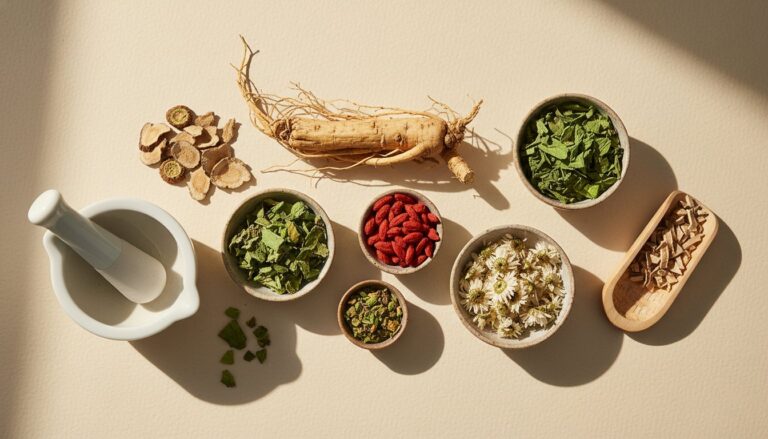
What if your path to vitality didn’t rely on synthetic compounds that often trade one symptom for a new side effect? You’re likely tired of the frustration that comes with a medical approach that ignores your unique constitution. It’s common to feel overwhelmed by complex terms like Qi or Yin and Yang. You might even worry about the safety of supplements found on unverified websites. We believe everyone deserves access to natural, time-tested solutions. The practice of chinese herbology offers this stability.
This guide provides a clear, systematic framework for understanding these remedies so you can safely integrate them into your modern routine. We’ll explore the core principles of botanical balance, how to identify high-quality herbs that meet the latest 2026 FDA labeling requirements, and why connecting with a dedicated practitioner like Michael Kim at The Oriental Natural Herbs, established in 2000, ensures your journey is both grounded in tradition and focused on safety.
Key Takeaways
- Understand how the systematic principles of pattern identification address the root cause of internal imbalances rather than just masking individual symptoms.
- Learn the mechanics of how chinese herbology utilizes the five flavors and four natures to construct synergistic formulas tailored to your specific constitution.
- Discover the critical differences between individualized herbal medicine and mass-produced supplements, including the importance of professional guidance to avoid herb-drug interactions.
- Gain a clear roadmap for your first consultation, including what to expect during traditional diagnostic procedures like tongue and pulse analysis.
- Identify the benefits of seeking a localized, personalized approach with an experienced practitioner to ensure the safety and efficacy of your natural wellness routine.
What is Chinese Herbology? The Science of Pattern Identification
At its core, Chinese herbology is a sophisticated, historical system designed to restore internal harmony through the use of natural substances. While many view herbalism as a simple collection of remedies, this practice is actually a rigorous science of bio-individual balance. It relies on a diagnostic foundation known as Pattern Identification, or Bian Zheng. Instead of treating a single symptom in isolation, a practitioner analyzes the entire state of your body to identify the underlying disharmony. This ensures that the treatment is as unique as the individual receiving it.
Conventional Western medicine often focuses on symptom-matching, where a specific drug is prescribed for a specific complaint. In contrast, this ancient method seeks the root cause. For instance, two people might suffer from insomnia, but one may require a formula to cool internal heat, while the other needs to nourish the blood. As we move through 2026, the United States is seeing a significant shift toward this integrative approach. This is evidenced by the National Certification Commission for Acupuncture and Oriental Medicine (NCCAOM) implementing updated exam outlines this year to reflect higher modern safety and competency standards. The public is increasingly seeking out chinese herbology as a primary tool for sustainable health.
The Core Philosophy: Qi, Yin, and Yang
The foundation of this practice rests on the concept of Qi, which is the vital energy responsible for all metabolic functions and physical vitality. When Qi is blocked or depleted, illness often follows. Similarly, the balance of Yin and Yang represents the opposing yet complementary forces within us, such as rest and activity or cold and heat. Herbal formulas act as precise tools to correct these imbalances. They don’t just mask discomfort; they provide the body with the specific resources needed to return to a state of homeostasis. Whether you’re supplementing a deficiency or clearing an excess, the goal is always a return to center.
The Five Elements Theory in Practice
Practitioners also utilize the Five Elements Theory, which maps Wood, Fire, Earth, Metal, and Water to specific organ systems. This framework allows for a predictive understanding of health. For example, a weakness in the Wood element, which is associated with the liver, might eventually impact the Earth element, or the digestive system. Seasonal herbology is another vital component of this theory. By adjusting formulas to match the changing environment, individuals can maintain year-round wellness and prevent the seasonal dips in vitality that often lead to chronic issues.
The Mechanics of Herbal Formulas: Five Flavors and Four Natures
Understanding the architecture of chinese herbology requires looking beyond the plants themselves to the energetic properties they possess. Every substance in the traditional pharmacopeia is categorized by its Nature and its Flavor. These attributes determine how an herb interacts with the body’s internal environment. While a single herb may offer specific benefits, practitioners rarely use them in isolation. Instead, they construct chinese herbal formulas where a “Chief” herb addresses the primary pattern of disharmony, while “Deputy” and “Assistant” herbs enhance its action or minimize potential side effects. This synergy is guided by Channel Tropism, a concept that identifies the specific organ systems or meridians an herb targets.
The Four Natures: Cold, Cool, Warm, and Hot
Temperature is a foundational concept in herbal classification. Cold and Cool herbs, such as Lian Qiao (Forsythia fruit), are utilized to clear inflammatory “Heat” conditions. Conversely, Warm herbs like Gan Jiang (Dried Ginger) are essential for treating “Cold” stagnation that slows metabolic processes. Neutral herbs provide a balancing effect without significantly shifting the body’s temperature. Researching Traditional Chinese Medicine safety and effectiveness shows that these temperature classifications are vital for avoiding adverse reactions and ensuring the formula matches the patient’s constitution.
The Five Flavors and Their Actions
In this system, taste serves as a functional map for herbal movement. Pungent or acrid herbs are prized for their ability to move Qi and blood. Sour herbs act to astringe and prevent the leakage of vital fluids. Sweet herbs are frequently used for tonifying and harmonizing formulas to build strength. Bitter herbs function by clearing heat and drying dampness, while Salty herbs are used for softening hardness and purging. These flavors ensure that the medicinal properties of the chinese herbology formula reach the intended depth and direction within the body.
Preparation Methods: From Raw Decoctions to Modern Granules
Traditionally, herbs are prepared as “Tang,” or decoctions, by boiling raw ingredients to extract their maximum potency. This method remains a gold standard for many practitioners because it allows for high customization. However, modern concentrated granules offer a convenient alternative without sacrificing the efficacy of traditional methods. These granules are easily dissolved in water, making them ideal for individuals with busy lifestyles. Local clinics in Bergen County often utilize these modern formats alongside topical liniments or plasters for localized health concerns. If you’re looking for a personalized strategy to address your wellness goals, you can explore herbal medicine for health issues with a qualified specialist who understands these complex mechanics.

Chinese Herbology vs. Western Supplements: A Comparative Analysis
Many health seekers view vitamins and herbal extracts as interchangeable, yet the philosophy behind chinese herbology creates a distinct therapeutic experience. Western supplements typically rely on mass-produced, “one-size-fits-all” formulas containing isolated chemical compounds. In contrast, traditional methods prioritize bio-individualized prescriptions that address your specific internal landscape. This distinction is vital because your body’s needs change based on your environment, diet, and emotional state. A generic multivitamin cannot adapt to these shifts, but a tailored herbal formula can.
Bioavailability also sets these two approaches apart. Whole-plant extracts often outperform isolated chemicals because they retain a complex profile of secondary metabolites. These components work together to enhance absorption and efficacy. Consider the management of stress as a practical example. A Western approach might suggest a single adaptogen like Ashwagandha to lower cortisol. A practitioner of chinese herbology might instead prescribe Xiao Yao San. This classic formula doesn’t just target a hormone; it harmonizes the Liver and Spleen systems to resolve the energetic root of tension while supporting digestion. To better understand the sophisticated logic behind such prescriptions, exploring the principles of traditional synergistic chinese herbal formulas reveals how each ingredient is chosen with precise therapeutic intent.
Professional guidance remains non-negotiable because of the potential for herb-drug interactions. Certain botanicals can alter the metabolism of pharmaceuticals, making them either less effective or dangerously potent. A trained expert ensures that your natural regimen complements your existing medical treatments rather than conflicting with them. This level of oversight provides a safety net that self-prescribing from an internet trend simply cannot offer.
Synergy vs. Isolation in Natural Healing
The Western “magic bullet” approach often fails when dealing with chronic, multi-faceted conditions. Traditional formulas utilize synergy to achieve results while minimizing side effects. Within a prescription, “Assistant” herbs are specifically included to protect the stomach or liver from the stronger actions of the “Chief” ingredients. This balanced architecture ensures the body receives the medicine it needs without unnecessary strain on other systems. It’s a holistic strategy that views the body as an interconnected web rather than a collection of parts.
Safety and Quality Standards in 2026
As of May 2026, the FDA has implemented stricter labeling requirements for dietary supplements, including mandatory nutrition facts and comprehensive ingredient lists. When seeking quality, look for GMP (Good Manufacturing Practice) certification and third-party testing for heavy metals or contaminants. Local providers in Fort Lee and Teaneck maintain the highest standards by sourcing from reputable pharmacies that verify the purity of every batch. This commitment to quality ensures that you’re receiving the true essence of the plant without the risks associated with unvetted online vendors.
How to Start Your Chinese Herbology Journey Safely
Embarking on a path toward wellness through chinese herbology requires a methodical and informed approach. It’s not a journey to take alone. Success depends on a partnership between the seeker and a highly trained expert. Your first step is to verify the credentials of any provider you consider. Look for a Licensed Acupuncturist or a Diplomate of Oriental Medicine certified by the NCCAOM. This national body ensures practitioners maintain high standards. In fact, NCCAOM certification is a legal requirement for licensure in over 40 states. This professional oversight is your primary guarantee of safety.
Once you’ve found a qualified mentor, the process moves into a detailed diagnostic phase. You’ll need to provide a complete health history, including all current Western medications. Transparency is vital here. It allows your practitioner to cross-reference your prescriptions with herbal properties to prevent interactions. Following the subsequent protocol with discipline is the next requirement. Herbal medicine is cumulative. Consistency in dosage and preparation is what allows the body to gradually return to a state of homeostasis.
What to Expect During Your First Herbal Consultation
The diagnostic process relies on the “Four Examinations”: Looking, Listening, Asking, and Feeling. Your practitioner will likely ask to see your tongue, which serves as a vital indicator of your internal organ health. They’ll also perform a pulse diagnosis. This isn’t just a simple heart rate check. It’s a nuanced assessment of the 12 primary meridians to detect subtle imbalances. These time-tested methods provide the data needed to create your bio-individualized formula.
Integrating Herbs into Your Daily Lifestyle
Consistency is the bridge between a prescription and a result. You’ll need to time your doses carefully. Some formulas require an empty stomach for better absorption, while others are taken after meals to ensure digestive comfort. Your practitioner may also suggest dietary shifts that support the herbs’ actions. For instance, if your formula is designed to clear “Heat,” you’ll be encouraged to avoid inflammatory foods. Tracking your progress is equally important. By noting changes in your symptoms, you provide the feedback your specialist needs to adjust the formula as your balance shifts. If you’re ready for a professional evaluation, you can consult with a specialist for herbal medicine for health issues to start your customized protocol.
Expert Herbal Care in Bergen County: The Oriental Natural Herbs Difference
Choosing a practitioner is the most significant decision in your wellness journey. At The Oriental Natural Herbs, Michael Kim, L.Ac, brings over 30 years of clinical experience to the Northern New Jersey community. Since founding the practice in 2000, he has served as a dedicated mentor for those seeking to balance their health through the precise application of chinese herbology. By maintaining a physical presence at 692 Anderson Ave in Cliffside Park, we provide a localized, personalized approach that simply cannot be replicated by online retailers or generic supplement brands. Our clinical history is rooted in a deep commitment to the residents of Bergen County and the surrounding areas.
Our mission is to bridge the gap between ancient Eastern wisdom and the demands of a modern Western lifestyle. We understand that our patients face unique environmental stressors and fast-paced schedules that require practical solutions. Because of this, we emphasize the use of high-quality, lab-tested medicinal herbs that meet contemporary safety standards. This commitment ensures that every formula is both potent and pure, targeting specific health issues with the reverence that traditional medicine requires. By focusing on the individual rather than the disease, we help restore the natural vitality that modern life often depletes. We don’t just provide herbs; we provide a roadmap for long-term health. Understanding the full benefits of chinese herbs for holistic wellness can help you appreciate why this personalized approach consistently delivers results that generic supplements cannot match.
Serving the Communities of Fort Lee, Teaneck, and Beyond
We provide convenient access to professional herbal consultations for residents throughout Bergen and Union Counties. Many of our patients come to us while transitioning from conventional treatments, looking for natural remedies that offer long-term stability without the frustration of synthetic side effects. A practitioner who understands the local environment can better identify how seasonal changes in New Jersey or urban stressors affect your internal balance. Whether you reside in Fort Lee or Teaneck, having a trusted expert nearby ensures that your protocol remains responsive to your evolving needs. Our doors are open Monday through Friday, 9:00 AM to 6:00 PM, and Saturdays until 3:00 PM to accommodate your schedule.
Request Your Personalized Herbal Consultation
Establishing a relationship with a TCM expert offers benefits that extend far beyond a single prescription. As your pattern of disharmony shifts over time, your formula must be adjusted to maintain its efficacy and safety. This ongoing dialogue creates a foundation for sustained health and preventative care. If you’re ready to move toward a more balanced state of being, we invite you to take the next step in your journey. You can experience the benefits of Chinese herbology with Michael Kim at The Oriental Natural Herbs and begin a customized protocol designed specifically for your unique constitution.
Embrace a Balanced Future with Traditional Wisdom
Achieving long-term wellness requires a shift from managing isolated symptoms to understanding your body’s unique patterns. Through the systematic framework of chinese herbology, you can move beyond the limitations of generic supplements toward a protocol that respects your specific constitution. This journey is grounded in the tradition of synergy, where every ingredient works in harmony to support your vital energy and internal homeostasis.
Michael Kim, L.Ac, has served the community as a stable and knowledgeable expert since 1995. As a Licensed Acupuncturist and Diplomate of Oriental Medicine, he provides a reliable bridge between ancient practices and your contemporary health needs. His expertise in high-quality herbal medicine ensures that your path to vitality is guided by both historical wisdom and modern safety standards. Establishing a relationship with a dedicated practitioner is the most effective way to ensure your natural regimen remains both safe and effective as your needs evolve.
Consult with Michael Kim, L.Ac for your personalized Chinese herbal protocol.
Taking control of your health is a significant and purposeful commitment. We’re here to support you in making informed decisions that lead to lasting vitality and a more balanced life.
Frequently Asked Questions
Is Chinese herbology safe to use alongside my prescription medications?
Yes, you can use herbal formulas alongside prescriptions, provided you’re under the supervision of a qualified professional. Certain botanicals can alter how the body processes pharmaceuticals; therefore, a practitioner of chinese herbology will review your medications to ensure there are no contraindications. This careful oversight minimizes risks and allows for a truly integrative approach to your health.
How long does it typically take to see results from Chinese herbal medicine?
The timeline for experiencing results depends on whether your condition is acute or chronic. Acute issues, such as a sudden cold, may show improvement within a few days. Chronic patterns, however, often require a more sustained effort. You should typically expect to see gradual shifts in your vitality and symptoms over a period of several weeks as the formulas work to restore internal balance.
Do I need to be an acupuncture patient to use Chinese herbs?
You don’t need to receive acupuncture treatments to benefit from herbal medicine. While these two modalities are often used together for synergistic effects, herbalism is a complete and standalone system of healing. Many individuals choose to focus solely on customized herbal protocols to address their internal health concerns without incorporating needles into their wellness routine.
What is the difference between raw herbs and herbal granules?
Raw herbs are the traditional form used for boiling decoctions, while granules are modern, concentrated extracts that dissolve in water. Raw herbs offer the most traditional experience and allow for high customization during the preparation process. Granules provide a convenient alternative for busy lifestyles without sacrificing the essential medicinal properties of the plants. Both methods are effective when prescribed by a professional.
Can Chinese herbology help with chronic conditions like acid reflux or insomnia?
Yes, herbal formulas are frequently used to manage chronic patterns such as acid reflux or insomnia. Instead of simply suppressing the symptoms, the practitioner identifies the underlying disharmony, such as heat in the stomach or an unsettled spirit. By addressing these root causes, chinese herbology helps the body return to its natural state of comfort and rest.
Are Chinese herbs regulated for quality and purity in the United States?
Chinese herbs are regulated in the United States as dietary supplements under the Dietary Supplement Health and Education Act (DSHEA) of 1994. As of May 2026, all labels must include a detailed dietary ingredient list and the manufacturer’s location. Reputable providers go further by ensuring their stock undergoes third-party testing for purity and the absence of heavy metals or contaminants.
Why does the practitioner need to look at my tongue and feel my pulse?
The tongue and pulse serve as vital diagnostic maps that reveal the state of your internal organs and meridians. The tongue’s color, shape, and coating provide a visual window into your metabolic health and fluid balance. Pulse diagnosis allows the practitioner to feel the quality of your vital energy. These time-tested methods are essential for creating a formula that is tailored to your specific needs.
Can children or the elderly safely use Chinese herbal formulas?
Both children and the elderly can safely use herbal formulas when the dosage is adjusted by a trained expert. Children often respond very quickly to natural remedies, requiring smaller amounts than adults. For the elderly, formulas are typically designed to be more tonifying and gentle on the digestive system. Professional guidance ensures that these sensitive populations receive the most appropriate and safe level of care.