
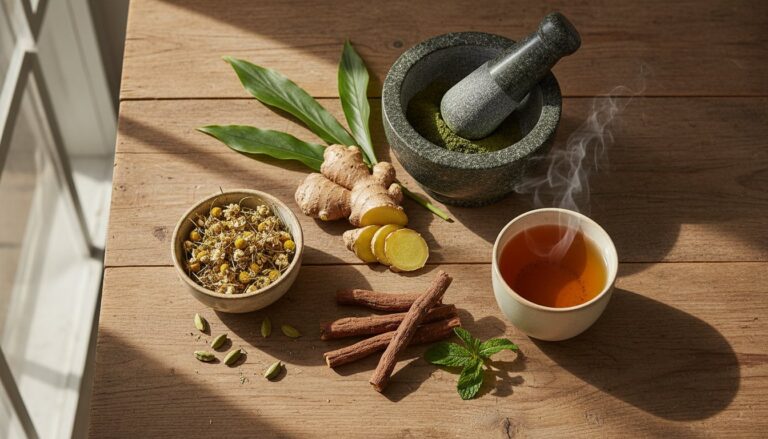
While many people view stomach acid as a foe to be suppressed, true digestive harmony often depends on restoring the body’s natural downward direction of energy. If you’ve spent nights propped up on pillows or felt the sharp sting of burning chest pain, you’re part of the 20% of adults in developed markets navigating this daily struggle. You might believe that incorporating herbs for acid reflux offers a more sustainable path than a lifelong dependence on antacids. Consequently, it’s common to feel a sense of apprehension about the long-term side effects of conventional medications and a deep desire for a more holistic solution.
This article provides a thorough exploration of how traditional botanical wisdom can help you reclaim your comfort. You’ll discover how specific plant-based remedies work to soothe irritated tissues and encourage proper digestive function. We’ll examine the most effective botanicals and discuss how to integrate these natural tools into a comprehensive plan for lasting relief and improved vitality. This methodical approach ensures you’re equipped with the knowledge to make informed decisions about your long-term health and well-being.
Key Takeaways
- Gain an understanding of “Rebellious Qi” and how prokinetic botanicals like Ginger help restore the stomach’s natural downward rhythm.
- Explore the significant advantages of balanced herbal formulas over single supplements for addressing complex, chronic digestive imbalances.
- Learn practical methods for incorporating herbs for acid reflux into your daily routine using teas, tinctures, or concentrated powders for optimal results.
- Identify the ideal timing for consuming digestive remedies to effectively soothe inflamed tissues and support healthy esophageal function.
- Discover the importance of a professional evaluation to develop a sustainable, personalized herbal plan that addresses the root causes of your discomfort.
Understanding Acid Reflux Through the Lens of Natural and Oriental Medicine
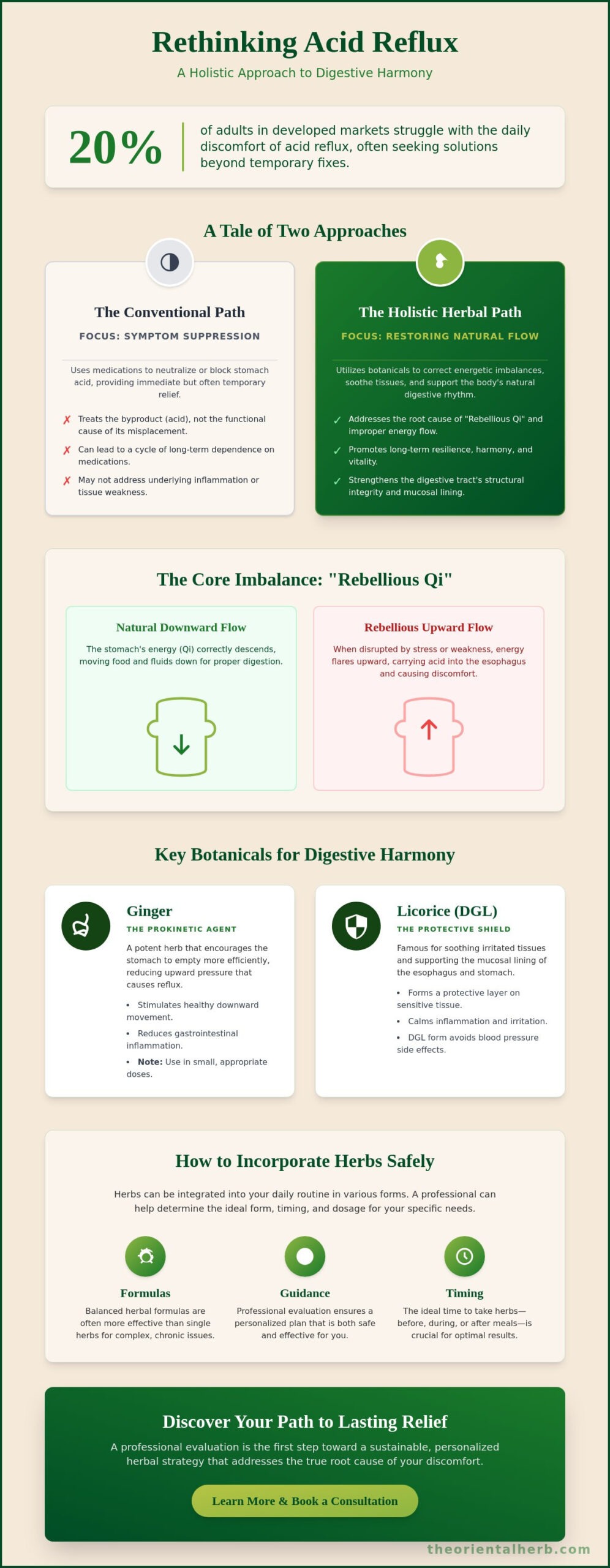
Conventional medicine identifies chronic heartburn as a primary symptom of Gastroesophageal Reflux Disease (GERD), a condition where stomach contents move backward into the esophagus. This process occurs when the muscular valve between the stomach and the food pipe fails to close properly, allowing caustic fluids to irritate the sensitive esophageal lining. While many people turn to over-the-counter medications for immediate relief, these solutions often focus solely on neutralizing or blocking acid production. This approach treats the byproduct of the issue rather than the underlying functional breakdown.
Oriental Medicine offers a more dynamic perspective by viewing the digestive system as a series of energetic pathways that must maintain a specific direction of flow. In traditional practices, the stomach’s primary duty is to “descend” energy, moving food and fluids downward toward the intestines. When this natural movement is disrupted, practitioners describe the resulting state as “Rebellious Qi.” Instead of moving down, the energy flares upward, carrying acid and discomfort with it. By utilizing specific herbs for acid reflux, the focus shifts from merely masking symptoms to correcting this energetic detour and restoring the body’s natural rhythm.
The Role of the Stomach in Holistic Health
The stomach is traditionally revered as the “Sea of Food and Fluid,” serving as the foundational reservoir for the body’s nourishment and vitality. For digestion to remain efficient and comfortable, the body requires a robust “digestive fire,” often referred to as Agni or Yang. When this internal heat is insufficient, food sits stagnant and begins to ferment, creating pressure that forces the esophageal valve open. Emotional stress also plays a significant role, as it can cause the liver’s energy to become constrained. This tension eventually “invades” the stomach, triggering the physical symptoms of reflux. This connection highlights why a holistic approach must consider both physical and emotional triggers to achieve lasting harmony.
Why Natural Remedies Offer a Sustainable Path
Relying indefinitely on acid-blocking medications can create a cycle of dependence because they don’t address why the acid is misplaced in the first place. Natural remedies offer a more sustainable alternative by supporting the mucosal lining and strengthening the structural integrity of the digestive tract. Choosing herbs for acid reflux allows for a nuanced strategy that builds long-term resilience rather than providing a temporary fix. These botanicals encourage the body’s innate ability to maintain balance and proper motility. This methodical restoration ensures that the digestive system functions as it should, providing a clear path toward vitality without the need for constant chemical intervention.
Essential Herbs for Soothing Acid Reflux and Heartburn
Selecting the right herbs for acid reflux requires an understanding of how different botanicals interact with the gastrointestinal system. While conventional treatments often focus on chemical suppression, herbal medicine utilizes active compounds to strengthen tissues and improve motility. High-quality Herbal remedies for heartburn offer a multifaceted approach. They don’t just neutralize acid; they address the structural and functional reasons why reflux occurs in the first place.
Ginger: The Universal Medicine for Digestion
Ginger, known botanically as Zingiber officinale, acts as a potent prokinetic agent. This means it encourages the stomach to empty its contents into the small intestine more efficiently. By preventing food from lingering too long in the stomach, it reduces the upward pressure on the esophageal sphincter. It’s vital to remember that more is not always better. While small amounts stimulate healthy movement, excessive doses can occasionally trigger warmth that some may find uncomfortable during an active flare. Ginger effectively reduces inflammation throughout the gastrointestinal tract through its natural gingerol and shogaol compounds.
Licorice and DGL: The Protective Shield
Licorice root has been used for centuries to soothe the digestive tract, but modern applications often favor Deglycyrrhizinated Licorice, or DGL. Traditional licorice contains glycyrrhizin, which can lead to unwanted side effects like elevated blood pressure when used long-term. DGL is a processed form where this compound is removed, making it a safer choice for individuals with cardiovascular concerns. This herb works by stimulating the production of protective mucus in the esophagus and stomach. This increased barrier acts as a biological shield, allowing irritated tissues to heal even in the presence of stomach acid.
Other botanicals serve as demulcents, providing a physical “bandage” for the gut. Slippery Elm and Marshmallow Root are rich in mucilage, a slippery substance that coats the esophagus upon ingestion. This coating provides immediate relief from the burning sensation associated with acid exposure. Similarly, Chamomile offers gentle anti-inflammatory properties that calm the nervous system and the digestive lining simultaneously. Many of the same traditional botanicals that support digestive health also play a powerful role in herbs for immune system resilience, reflecting the interconnected nature of the body’s organ systems. If you’re seeking a structured way to integrate these traditions, exploring professional herbal medicine for health issues can provide the clarity needed for a sustainable recovery. These plants work in harmony to restore the integrity of the digestive system, ensuring that relief is both deep and lasting.
The Traditional Chinese Medicine (TCM) Approach: Restoring Harmony
Traditional Chinese Medicine operates on the principle that health is a state of dynamic balance. While many contemporary approaches focus on isolated herbs for acid reflux, TCM utilizes sophisticated herbal formulas that act as a cohesive team. This ancient methodology recognizes that digestive issues are rarely the result of a single factor. Instead, they often stem from a complex interaction of organ systems and energetic imbalances. By shifting the focus from individual symptoms to the entire internal environment, these traditional practices aim to restore the stomach’s natural downward movement and long-term vitality.
Formula Synergy: Why Combinations Work Better
The effectiveness of traditional herbalism lies in the intentional structure of its formulas, often organized into a hierarchy known as “King, Minister, Assistant, and Envoy.” The “King” herb addresses the primary imbalance, while the “Minister” supports its action. The “Assistant” herb is vital because it mitigates any potential harshness or side effects of the primary ingredients. Finally, the “Envoy” ensures the formula’s energy reaches the specific organ system in need of support. This balanced architecture allows for the simultaneous use of cooling herbs to clear inflammation and warming herbs to support digestive fire. This nuanced approach provides a level of individualized relief that single supplements often cannot match.
One classic example used for centuries is Ban Xia Xie Xin Tang. This formula is specifically designed to treat “clumping” in the epigastrium, where heat and cold become entangled in the digestive tract. It’s particularly effective for addressing the “Damp-Heat” often associated with chronic reflux. In this state, the body struggles with both stagnant fluids and inflammatory heat. By clearing these obstructions, the formula helps the stomach regain its proper function, illustrating why professional herbal medicine for health issues remains a cornerstone of holistic recovery.
Addressing the Root: Liver-Stomach Disharmony
In the TCM framework, the liver and stomach share a close, often volatile relationship. The liver is responsible for the smooth flow of Qi throughout the body, but it’s highly sensitive to emotional stress and frustration. When stress causes Liver Qi to become stagnant, it can “invade” or “attack” the stomach. This disruption forces the stomach’s energy to move upward, leading to the physical sensation of reflux. This connection explains why many people experience a flare-up of symptoms during periods of high pressure or anxiety.
To resolve this, practitioners select botanicals that soothe the nervous system while simultaneously calming the gut. By addressing the Liver-Stomach disharmony, the treatment targets the actual trigger of the rebellious flow rather than just the acid itself. This holistic perspective acknowledges that the mind and the digestive system are inseparable. When the nervous system is at peace, the stomach can maintain its proper downward direction, leading to a sustainable state of digestive harmony and overall well-being.
Practical Guidance: How to Safely Incorporate Herbs into Your Routine
Transitioning from understanding the theory of botanical medicine to implementing a daily protocol requires a methodical approach. The effectiveness of herbs for acid reflux depends largely on how they are prepared and the timing of their consumption. Because herbal medicine works with the body’s natural rhythms, creating a consistent routine is essential for restoring digestive order. Selecting the appropriate delivery method ensures that the active compounds reach the targeted tissues in the most bioavailable form possible.
Delivery methods vary based on the specific needs of the individual and the nature of the herbs being used. Teas and infusions provide a gentle, hydrating way to coat the esophagus, making them ideal for immediate, soothing relief. Tinctures offer a concentrated and portable alternative, though their alcohol base may be too stimulating for some sensitive digestive linings. Traditional concentrated powders remain a preferred choice for many, as they allow for the precise blending of complex formulas that address multiple facets of a patient’s health simultaneously. Regardless of the method, sourcing professional-grade botanicals is vital to ensure purity and potency.
Preparation Methods for Maximum Efficacy
The distinction between an infusion and a decoction is fundamental to herbal preparation. Infusions are suitable for delicate plant parts like flowers and leaves, which only require steeping in hot water for several minutes. Conversely, decoctions involve simmering tougher roots or barks to extract their deeper therapeutic properties. For a “cold” or sluggish stomach, always consume these liquids warm. Cold beverages can constrict the digestive vasculature and further impair the downward movement of Qi, whereas warmth encourages circulation and eases the passage of food.
Timing and Consistency
Consistency serves as the foundation of any successful herbal strategy. The “golden rule” for digestive support is to consume your formula approximately 20 minutes before meals. This timing allows the herbs for acid reflux to prime the stomach and esophageal lining before the arrival of food. For those managing nighttime reflux, an evening protocol taken shortly before bed can help maintain a protective barrier throughout the night. It is important to remain patient; while some relief may be immediate, most people require 4 to 6 weeks of consistent use to see significant functional changes and tissue repair.
Monitoring your progress involves looking for subtle shifts in your overall well-being. Healing often manifests as a reduced frequency of reflux episodes, improved sleep quality, or a decreased reliance on temporary fixes. However, safety remains the highest priority. If you are currently utilizing conventional treatments like PPIs or H2 blockers, you must be mindful of potential interactions. Consulting an expert can help you navigate these complexities safely. To develop a structured and reliable plan, you may wish to seek out professional herbal medicine for health issues to ensure your path to recovery is both safe and effective.
Personalized Herbal Consultations in Bergen County: The Oriental Natural Herbs Advantage
While the preceding sections provide a foundational understanding of botanical remedies, the complexity of chronic digestive issues often requires a more nuanced approach than self-guided care. Michael Kim, L.Ac., brings a 30-year legacy of expertise to his practice in Cliffside Park, where he focuses on the precise application of herbs for acid reflux. A professional evaluation is essential because it moves beyond surface symptoms to identify your specific constitutional pattern. For residents in Fort Lee and Teaneck, this means receiving a customized herbal strategy that accounts for individual lifestyle factors and the unique interplay of your organ systems.
Expert guidance ensures that you aren’t simply guessing which botanicals might work. Instead, you benefit from a structured protocol designed to restore the stomach’s natural downward flow and strengthen the esophageal barrier. This transition from DIY health to expert-guided wellness provides a safer, more predictable path toward long-term digestive harmony. By relying on a practitioner’s experience, you can avoid the common pitfalls of improper dosage or mismatched formulas that often hinder recovery. The same practitioner expertise that guides digestive care also extends to helping patients select the right herbs for immune system support, ensuring a comprehensive approach to whole-body wellness.
Our Local Commitment to the Community
The Oriental Natural Herbs has remained a steadfast resource for Bergen and Union County, serving the community with traditional wisdom since 1995. Our location provides a convenient destination for Fairview and Ridgefield residents seeking authentic, time-tested solutions for their well-being. We believe that local access to specialized care is vital for fostering a healthier, more vibrant public. To understand the dedication behind our work, you can Learn more about our practitioners and our mission to bridge ancient practices with modern needs.
Your First Step Toward Digestive Freedom
During a natural health consultation for reflux, we conduct a thorough review of your health history and current digestive patterns. This methodical process allows us to create a plan that effectively utilizes herbs for acid reflux while remaining compatible with any conventional treatments you may currently follow. We work collaboratively to ensure that your herbal medicine for health issues integrates seamlessly with your existing healthcare routine, prioritizing your safety and long-term vitality above all else.
Reclaiming your health through nature is a journey that requires patience and the right support. By choosing a path rooted in historical authority and modern clinical experience, you’re taking a significant step toward lasting comfort. We invite you to experience the stability and relief that comes from a personalized, professional approach to digestive health. Together, we can restore the harmony your body deserves and help you move forward with a sustainable plan for wellness.
Reclaim Your Digestive Vitality
Restoring your health requires a shift from temporary symptom masking to a deep understanding of your body’s natural rhythms. By addressing the root causes of energetic imbalances and utilizing the specific mechanisms of traditional botanicals, you can achieve a state of lasting harmony. We’ve explored how the right herbs for acid reflux work to strengthen the esophageal barrier and encourage the proper downward flow of digestion. This holistic approach ensures that your recovery is sustainable and supported by centuries of historical wisdom.
Michael Kim, L.Ac., a Diplomate of Oriental Medicine, has dedicated his career to providing these time-tested solutions to the community. Having served Bergen County since 1995, he offers custom-formulated herbal medicines tailored to your unique constitutional needs. Moving toward expert-guided wellness allows you to move beyond the uncertainty of self-treatment and embrace a clear, structured plan for your health. You don’t have to navigate this journey alone.
Take the next step toward a life free from the constraints of chronic discomfort. Schedule a personalized herbal consultation with Michael Kim today to begin your journey toward restored vitality. Your path to true digestive balance starts with a commitment to natural, professional care.
Frequently Asked Questions
What is the best herb to take for immediate acid reflux relief?
Slippery Elm and Marshmallow Root are often considered the most effective options for immediate, soothing relief. These demulcent herbs contain high levels of mucilage, which creates a physical barrier on the esophageal lining to protect it from stomach acid. While they don’t address the root cause of the reflux, they provide a reliable way to manage acute burning sensations naturally and safely.
Can I use herbal remedies while taking prescription PPIs like Omeprazole?
You can often use herbal remedies alongside prescription PPIs, but professional guidance is essential to avoid potential interactions. For instance, certain mucilaginous herbs might interfere with the absorption of medications if taken at the same time. It’s generally recommended to separate herbal doses from pharmaceutical ones by at least two hours to ensure both remain effective and your treatment plan stays balanced.
How long does it typically take for herbs to help with GERD symptoms?
Most individuals observe significant functional improvements within four to six weeks of consistent use. While some herbs for acid reflux provide immediate comfort, restoring the digestive system’s natural downward flow is a gradual process. This timeframe allows the body to repair irritated tissues and regain its internal balance, leading to more sustainable relief and improved digestive resilience over time.
Is ginger tea safe for everyone with acid reflux?
Ginger tea is widely regarded as safe, yet its warming nature may not suit every individual during an active inflammatory flare. Because ginger stimulates gastric activity, very high doses can occasionally cause a sensation of heat in the stomach for those with sensitive constitutions. It’s best to start with small, diluted amounts to ensure it supports your digestion without causing additional warmth or discomfort.
Are there any herbs I should avoid if I have chronic heartburn?
Peppermint is a primary herb to avoid if you suffer from chronic heartburn because it can relax the lower esophageal sphincter, allowing acid to escape more easily. Additionally, standard licorice root should be used with caution due to its potential impact on blood pressure. Opting for Deglycyrrhizinated Licorice (DGL) provides the protective benefits for the stomach lining without these specific cardiovascular concerns.
What is ‘Rebellious Qi’ and how does it relate to my stomach acid?
‘Rebellious Qi’ refers to a disruption in the stomach’s natural energetic direction, which should move food and fluids downward. In Oriental Medicine, when this flow is reversed, it results in symptoms like reflux, belching, or nausea. Correcting this upward movement is the foundational goal of traditional therapy, as it addresses the functional breakdown behind the acidity rather than just the acid itself.
Do I need to see a specialist to start taking Chinese herbs for reflux?
Consulting a licensed practitioner is highly recommended when starting a Chinese herbal protocol for chronic issues. Traditional formulas are complex and must be tailored to your specific constitutional pattern to be both safe and effective. An expert can ensure that the herbs for acid reflux you choose are high-quality and appropriately balanced to address your unique health concerns and long-term vitality.
Can lifestyle changes like diet enhance the effectiveness of these herbs?
Lifestyle adjustments significantly enhance the efficacy of herbal treatments by reducing the overall burden on your digestive system. Avoiding large meals before bed and managing emotional stress help prevent the triggers that lead to ‘Rebellious Qi’ in the first place. When combined with a structured herbal plan, these habits create a stable environment that allows the body to heal more efficiently and maintain harmony.