

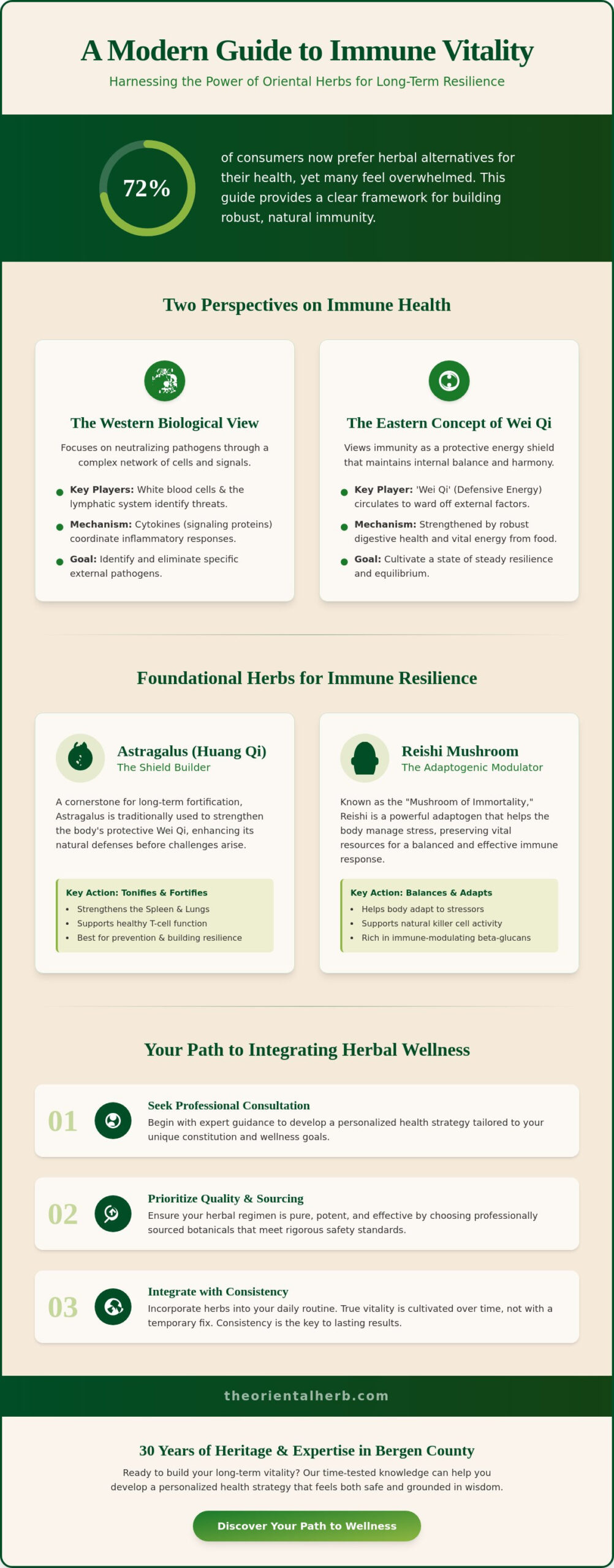
Did you know that 72% of consumers now prefer herbal alternatives for their health, yet many still feel overwhelmed when trying to select the right herbs for immune system support? It’s difficult to find clarity when faced with conflicting online advice and a complex patchwork of state regulations. You likely want a way to strengthen your body’s natural defenses that feels both safe and grounded in historical wisdom. We understand the desire for a path to wellness that avoids synthetic side effects while respecting the body’s internal balance.
This article provides a methodical, professional approach to immune health, moving beyond temporary boosts to focus on cultivated vitality. You’ll discover how time-tested oriental herbs integrate with modern safety standards, including the 2026 Dietary Supplement Regulatory Uniformity Act. We’ll examine specific botanical strategies used by experts like Michael Kim and provide practical, step-by-step instructions for incorporating these traditions into your daily routine. By the end, you’ll have a clear, reliable framework for supporting your long-term health and community vitality with confidence.
Key Takeaways
- Learn how the concept of ‘Wei Qi’ or defensive energy provides a holistic foundation for understanding the body’s multi-layered immune response.
- Discover the specific therapeutic benefits of Astragalus and Reishi mushroom as foundational herbs for immune system support.
- Understand the methodical steps for integrating herbal medicine into your lifestyle, from professional consultation to selecting the most effective preparation formats.
- Gain clarity on the critical importance of professional sourcing and safety standards to ensure your herbal regimen remains pure and effective.
- Explore how 30 years of heritage and local expertise in Bergen County can help you develop a personalized health strategy for long-term vitality.
Understanding the Immune System: A Holistic and Traditional Perspective
To truly grasp the role of herbs for immune system health, we must first view the body as a dynamic ecosystem rather than a collection of separate parts. In a professional wellness context, Understanding the Immune System requires acknowledging it as a multi-layered defense mechanism designed to maintain internal integrity against external pressures. Rather than waiting for a crisis to occur, a methodical approach focuses on cultivating a steady state of resilience. This perspective shifts the goal from temporary “boosting” to the sustainable modulation of biological responses.
The Western Biological View of Immunity
Modern science identifies the immune response through the activity of specialized white blood cells and the complex drainage of the lymphatic system. These components work in unison to identify and neutralize pathogens. Central to this process are cytokines, which are signaling proteins that coordinate the inflammatory response. While inflammation is a necessary defense, chronic stress and environmental toxins can disrupt these markers; this leads to a state of persistent overactivity or exhaustion that weakens our natural protection.
The Eastern Concept of Wei Qi and Balance
Traditional Chinese Medicine offers a complementary perspective through the concept of Wei Qi, often translated as Defensive Energy. This energy is described as a protective shield that circulates just below the skin and within the muscles to regulate temperature and ward off external factors. Wei Qi serves as the body’s first line of energetic defense. Unlike Western models that focus heavily on the blood, the Eastern tradition emphasizes that immune strength is deeply rooted in digestive health. The transformation of food into vital energy provides the literal fuel for this protective barrier.
When we utilize herbs for immune system support, we’re providing the body with biochemical tools to find its own equilibrium. Adaptogenic and tonic herbs don’t simply force a reaction; they help the system recalibrate based on its current needs. This is why long-term vitality is superior to reactionary treatment. By nourishing the body’s foundational energy over months rather than days, we create a robust environment where the immune system can function with quiet, steady efficiency. This patient, professional approach ensures that the body remains prepared for challenges before they manifest as physical symptoms.
Essential Oriental Herbs for Robust Immune Function
Selecting the right herbs for immune system support requires an understanding of how individual plants interact with our internal environment. While many people look for a quick fix, the true value of herbal medicine lies in its ability to nourish and tonify the body over time. By utilizing specific botanicals that have been revered for centuries, we can create a foundation of health that is both resilient and adaptive.
The Power of Adaptogens: Reishi and Ashwagandha
Adaptogens are a unique class of herbs that help the body maintain equilibrium despite external stressors. Reishi mushroom, known historically as the “Mushroom of Immortality,” contains complex polysaccharides called beta-glucans. These compounds are studied for their ability to support natural killer cell activity, which is a vital part of the body’s defense strategy. Ashwagandha has seen a significant surge in demand in 2026 as more individuals seek to manage the physiological impact of stress. Because stress consumes vital resources, these adaptogens preserve energy for the immune system to use when it’s truly needed. Consistency is essential here; these herbs work best when taken daily to build a cumulative effect within the system.
Huang Qi (Astragalus): The Shield Builder
Astragalus, or Huang Qi, is perhaps the most significant herb for tonifying the Wei Qi we discussed previously. In traditional practice, it’s used to strengthen the Lungs and Spleen, which are the primary organs responsible for producing and circulating protective energy. Modern research focuses on Astragalus polysaccharides and their role in supporting T-cell function. It’s important to remember that this herb is a builder. It’s designed for prevention and long-term fortification. If you’re currently experiencing an active fever or acute infection, it’s generally best to pause the use of Astragalus and focus on clearing the heat first. This methodical distinction ensures the herb works with your body’s natural cycles rather than against them.
Beyond these foundational plants, Ginseng remains a cornerstone for enhancing overall vitality and resilience. It serves as a potent tonic for those recovering from exhaustion or environmental stressors. We also see a growing synergy between Eastern traditions and Western favorites like Elderberry and Echinacea. While Elderberry is often used for its immediate seasonal support, combining it with the deep-rooted tonics of the East creates a more comprehensive strategy. For those looking to explore these traditional methods, choosing high-quality herbal medicine for health issues ensures you’re receiving the full potency of these ancient formulas.
How to Integrate Immune-Boosting Herbs into Your Daily Wellness Routine
Adopting a methodical approach to wellness ensures that the benefits of herbs for immune system support are fully realized. Rather than viewing herbal medicine as an occasional supplement, it’s more effective to integrate these practices into a structured daily rhythm. This process begins with understanding your own physiological needs and selecting the most appropriate methods for delivery. By creating a predictable routine, you allow your body to build the resilience needed for long-term vitality.
- Step 1: Professional Consultation. Seek guidance from a licensed herbalist who can identify your specific constitution. A professional assessment ensures that the chosen herbs align with your body’s unique requirements, preventing the use of formulas that might be unsuitable for your current state of health.
- Step 2: Selection of Format. Choose a delivery method that suits your lifestyle. Traditional decoctions offer a deep connection to the process, while modern concentrated powders provide efficiency for those with demanding schedules.
- Step 3: The Wellness Hour. Establish a consistent time each day for your herbal practice. This regularity helps the body maintain a steady state of receptivity, much like the rhythmic cycles found in nature. Whether you choose the early morning or the quiet of the evening, staying consistent is key to success.
- Step 4: Seasonal Monitoring. Observe your body’s response over time with a mindful eye. Adjustments are often necessary as environmental factors change with the seasons; what works in the damp of spring might differ from what the body requires during the dry cold of winter.
Preparing Traditional Herbal Decoctions at Home
Traditional decoctions differ significantly from standard teas. While a tea is a quick infusion of delicate leaves, a decoction involves a prolonged simmering process to extract active compounds from dense materials like roots and barks. To prepare a decoction of Astragalus, place the dried root in a ceramic or glass vessel and cover it with filtered water. Simmer the mixture on low heat for approximately 45 minutes, allowing the liquid to reduce by about half. It’s vital to avoid metallic pots, as they can react with the herbal constituents and compromise the purity of the medicine.
Modern Convenience: Extracts and Capsules
High-quality extracts provide a reliable alternative for those with busy professional lives. When selecting these products, it’s essential to look for “standardized extracts” on the label, which confirms a specific concentration of therapeutic ingredients. These formats allow for seamless integration into existing rituals. For example, adding a measured dose of Reishi extract to your morning coffee or tea provides a simple way to maintain your regimen. This approach ensures that you don’t miss a day of support, even when your schedule is demanding. By choosing the right herbs for immune system health in a format that works for you, you can maintain the integrity of your wellness plan without sacrificing convenience.
Safety, Sourcing, and Synergy: What to Know Before You Start
A common misconception persists that “natural” is synonymous with “harmless” regardless of the dosage or frequency. In reality, the potency of herbs for immune system support requires respect and precision. Utilizing these substances without a methodical framework can lead to unintended interactions or diminished efficacy. A professional approach treats herbal medicine with the same reverence as any other therapeutic intervention, ensuring that each formula serves the body’s long-term vitality.
Oriental herbalism rarely relies on a single plant to achieve a result. Instead, it utilizes the concept of synergy, where multiple ingredients are combined to enhance therapeutic benefits while mitigating potential side effects. A well-constructed formula acts as a balanced team; one herb might serve as the “emperor” to address the primary concern, while others assist in circulation or protect digestive function. This layered strategy provides a more comprehensive response than isolated supplements ever could. The same holistic principle applies when addressing other common concerns; for instance, those exploring herbs for acid reflux will find that traditional formulas similarly combine botanicals to restore the body’s natural downward digestive energy rather than simply suppressing symptoms.
Certain populations must exercise extra caution when beginning a new regimen. For instance, individuals with autoimmune conditions should avoid specific herbs that might over-stimulate an already hyperactive immune response. Similarly, those who are pregnant or nursing require specialized guidance to ensure the safety of both mother and child. If you’re managing chronic health issues, it’s vital to coordinate your care with a knowledgeable provider.
The Importance of Professional Guidance
A “one-size-fits-all” approach fails because it ignores the unique constitutional balance of the individual. This is where a Licensed Acupuncturist (L.Ac.) becomes an essential mentor. These professionals possess the training to identify subtle patterns of disharmony and prescribe formulas tailored to your specific needs. It’s also vital to disclose your herbal use to your primary care physician. This transparency prevents potential herb-drug interactions and ensures your health strategy is cohesive and safe.
Sourcing High-Quality Oriental Herbs
Quality is non-negotiable when it comes to what you put into your body. Reputable herbal providers adhere to Current Good Manufacturing Practices (CGMPs) under 21 CFR Part 111, which ensures products are free from heavy metals, pesticides, and microbial contaminants. This is especially relevant given the 2026 Dietary Supplement Regulatory Uniformity Act, which aims to create more consistent national standards. You should distinguish between culinary-grade herbs and medicinal-grade options. Medicinal-grade herbs are those tested for high concentrations of active compounds and purity to ensure therapeutic results. For those seeking a reliable source of herbs for immune system health, we provide professionally vetted herbal medicine for health issues that meets these rigorous safety standards.
Personalized Herbal Care in Bergen County: The Oriental Natural Herbs Approach
Achieving true resilience requires more than just a general interest in wellness; it demands a partnership with a knowledgeable expert who understands your unique environment and constitution. At The Oriental Natural Herbs, Michael Kim, L.Ac., brings over 30 years of dedicated experience to the community. Since our founding, we’ve focused on providing a stable, reliable bridge between ancient herbal traditions and the practical needs of modern life. Our approach isn’t about quick fixes but about the methodical cultivation of health through the precise application of herbs for immune system support.
Serving Our Local Community since 1995
For residents in Cliffside Park, Teaneck, North Bergen, and Fort Lee, the changing seasons of the Northeastern United States present specific challenges to the body’s defensive energy. The transition from the damp, heavy air of a Jersey spring to the biting, dry cold of winter can easily deplete your Wei Qi. We’ve spent decades observing these local patterns and refining our professional-grade formulas to meet the needs of our neighbors. By focusing on long-term wellness rather than reactionary care, we help our clients maintain their vitality regardless of the environmental stressors they face daily. Our commitment to the collective health of Bergen County remains as strong today as it was when we first opened our doors in 1995.
Your Journey to Natural Vitality Starts Here
A personalized herbal consultation is the first step toward a more balanced life. During this process, we take the time to understand your history, your lifestyle, and your specific health goals. This thorough assessment allows us to move beyond generic advice and create a strategy that is uniquely yours. You won’t find a one-size-fits-all solution here; instead, you’ll receive a tailored plan that integrates high-quality herbs for immune system health into your existing routine. We believe that everyone deserves access to expert guidance and the historical wisdom of herbal medicine. By combining traditional practices with modern safety standards, we empower you to make informed decisions about your well-being. We invite you to Consult with Michael Kim for a personalized immune support plan and discover the difference that professional, community-oriented care can make in your life.
Cultivating a Foundation for Long-Term Resilience
Strengthening your natural defenses is a methodical journey that requires both patience and high-quality resources. By embracing the concept of Wei Qi and the synergistic power of traditional botanicals, you move beyond reactive health measures toward a state of true balance. It’s essential to prioritize professional-grade sourcing and expert guidance to ensure your regimen remains safe and effective for your unique constitution.
At The Oriental Natural Herbs, we’ve served the Bergen County community since 1995 with a deep commitment to purity and historical wisdom. Led by Michael Kim, a Licensed Acupuncturist and Diplomate of Oriental Medicine, our practice provides a reliable bridge between ancient traditions and your modern wellness goals. We invite you to Discover our professional-grade herbal medicines for immune health that are rigorously tested for potency and active compounds. Utilizing the right herbs for immune system support allows you to build a foundation of health that supports your vitality through every season. Your path to balanced, natural wellness is within reach.
Frequently Asked Questions
What are the best herbs for immune system support in Traditional Chinese Medicine?
Foundational herbs include Astragalus and Reishi mushroom; however, practitioners also utilize Schisandra berry and Cordyceps to address specific deficiencies. These botanicals work together to support the body’s internal environment. While single herbs have value, a professional formula ensures that the energetic properties are balanced to prevent over-stimulation. This methodical selection process is a cornerstone of Traditional Chinese Medicine.
Can I take immune-boosting herbs every day, or should I cycle them?
Daily use is typically recommended for tonic herbs, while “clearing” herbs should only be used for short durations. Adaptogens like Ashwagandha and Reishi require consistent intake to build a cumulative effect within the system. Cycling is generally reserved for potent, short-term remedies used during acute phases. A licensed herbalist can provide a specific schedule based on your personal health goals and current vitality.
Are there any side effects to taking Oriental herbs for immunity?
Side effects are rare when herbs are used correctly, but they can include mild digestive changes or slight shifts in energy levels. Problems usually arise from improper dosing or using the wrong herb for one’s constitution. For example, some herbs for immune system support might be too warming for individuals with existing heat patterns. Professional guidance ensures that your formula is tailored to avoid these imbalances.
How long does it take for herbal remedies to start working?
You can expect to notice foundational shifts in energy and resilience within two to four weeks of consistent use. While some herbs provide more immediate support for acute symptoms, tonic formulas focus on long-term modulation. This patient approach allows the body to integrate the herbal constituents naturally. True vitality is a cultivated state that develops steadily over time rather than through a sudden, temporary boost.
Can I take herbal supplements if I am already on prescription medication?
You must consult both your primary care physician and a licensed herbalist before combining herbal medicine with prescription drugs. Certain herbs can alter the metabolism of medications or produce additive effects that require careful monitoring. Transparency between all your healthcare providers is essential for maintaining safety. This collaborative approach ensures that your natural wellness strategy complements your existing medical treatments without conflict.
What is the difference between an herbal tea and an herbal decoction?
The primary difference lies in the extraction method and the part of the plant being used. Herbal teas are quick infusions of delicate leaves or flowers in hot water. In contrast, decoctions involve simmering dense materials like roots and bark for extended periods to release their therapeutic compounds. This traditional simmering process is necessary to extract the full potency of many herbs for immune system health.
How do I know if the herbs I buy online are high quality and safe?
High-quality herbs should be sourced from providers that maintain Good Manufacturing Practices (GMP) and provide third-party lab testing results. With the 2026 Dietary Supplement Regulatory Uniformity Act, there is a stronger emphasis on national standards for purity. Avoid products that lack clear labeling or fail to disclose their sourcing. Reputable pharmacies will always be transparent about their testing for heavy metals, pesticides, and microbial contaminants.
Is it better to take a single herb or an herbal formula for the immune system?
Traditional Chinese Medicine almost always favors complex formulas over single herbs to achieve a synergistic effect. A single herb can sometimes be too one-sided in its action; however, a formula uses assistant herbs to balance the primary emperor herb. This creates a more harmonious response that supports the whole body. Formulas are designed to address both the symptoms and the underlying patterns of disharmony simultaneously.