
📋 Key Takeaways
- Search for qualified Traditional Chinese Medicine practitioners with appropriate education, licensing or professional certification.
- Choose someone experienced in treating your specific concern, whether it involves digestion, anxiety, pain, sleep or general wellness.
- Ask how herbal products are sourced, tested, prescribed and monitored before starting treatment.
- A trustworthy practitioner should explain expected costs, possible risks and realistic treatment goals clearly.
- Avoid anyone who guarantees a cure, discourages medical care or pressures you to purchase expensive herbal packages.
📑 Table of Contents
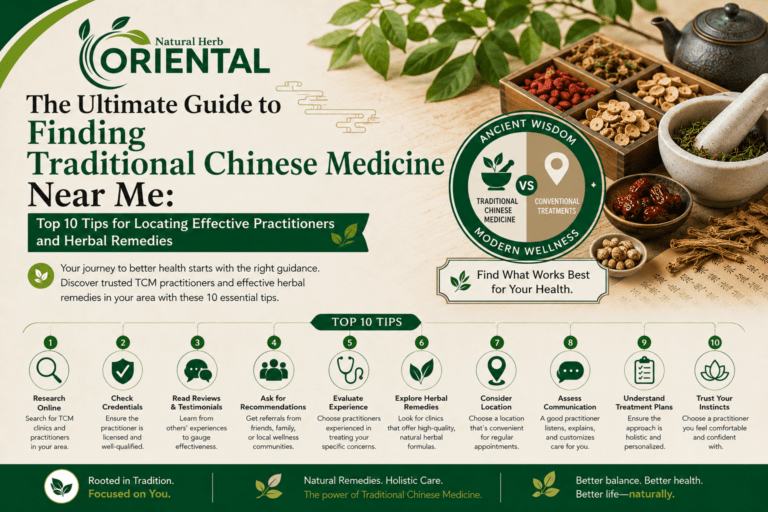
The Ultimate Guide to Finding Traditional Chinese Medicine Near Me: Top 10 Tips for Locating Effective Practitioners and Herbal Remedies
Why Finding the Right TCM Practitioner Matters
Searching for Traditional Chinese Medicine near me can produce dozens of clinics, herbal shops and wellness providers. However, not every listing represents the same level of training, safety, experience or professional accountability.
Traditional Chinese Medicine, commonly called TCM, is a healthcare system that may include acupuncture, Chinese herbal medicine, cupping, dietary guidance, movement and lifestyle recommendations. Its traditional framework considers relationships between physical symptoms, emotional wellbeing, sleep, digestion, energy and daily habits.
Because acupuncture and Chinese herbs can meaningfully affect the body, choosing a qualified practitioner is essential. The right provider should understand your health concerns, explain their recommendations clearly and work responsibly alongside your existing medical care.
Researching Traditional Chinese Medicine Near Me: Where to Start
Begin your search with a combination of local directories, professional organizations, search engines, healthcare referrals and personal recommendations. Using more than one source allows you to compare credentials and avoid choosing a clinic based only on advertising.
Useful searches may include:
- Traditional Chinese Medicine near me
- Licensed TCM practitioner near me
- Chinese herbal medicine practitioner near me
- Acupuncture and herbal medicine clinic near me
- TCM practitioner for digestive health
- Traditional Chinese Medicine for anxiety
Review the clinic’s website carefully. Look for information about practitioner qualifications, services, treatment philosophy, consultation process, pricing, location and contact details.
Top 10 Tips for Finding an Effective TCM Practitioner
1. Verify Professional Credentials
Check whether the practitioner has completed recognized education in acupuncture or Chinese herbal medicine. Licensing and certification requirements vary by country and region, so confirm the rules that apply where you live.
A professional clinic should clearly identify the practitioner’s qualifications rather than using vague descriptions such as “natural healer” without supporting credentials.
2. Look for Experience with Your Health Concern
Traditional Chinese Medicine practitioners may develop particular areas of interest, such as digestive health, emotional wellbeing, chronic pain, sleep problems, fertility or women’s health.
Ask how frequently the practitioner works with symptoms similar to yours. Experience does not guarantee results, but it can help the practitioner recognize when TCM may be suitable and when medical referral is necessary.
3. Read Reviews Carefully
Online reviews can provide useful information about communication, cleanliness, appointment availability and the overall patient experience. However, reviews should not be your only decision-making factor.
Look for consistent feedback across multiple platforms. Be cautious when reviews make identical claims, promise miraculous results or focus only on product sales.
4. Ask for Trusted Referrals
Friends, family members, physicians, physiotherapists or other healthcare professionals may be able to recommend a local practitioner. Ask what they appreciated about the clinic and whether the practitioner communicated clearly about treatment, cost and progress.
5. Evaluate Communication Style
A good practitioner should listen carefully, answer questions respectfully and explain their assessment in understandable language. You should feel comfortable discussing symptoms, medication, mental health and personal concerns.
Avoid practitioners who dismiss your questions or make you feel pressured to begin treatment immediately.
6. Review the Treatment Approach
Ask which services the clinic provides and why they may be recommended. A treatment plan might include acupuncture, Chinese herbal medicine, cupping, nutrition or lifestyle guidance.
More treatment methods do not automatically mean better care. Every recommendation should have a clear purpose and reflect your individual health needs.
7. Check Herbal Product Quality
If the practitioner prescribes Chinese herbs, ask where the products are manufactured and how suppliers verify identity, purity and quality. Herbal formulas may be supplied as granules, powders, capsules, tablets, tinctures or traditional decoctions.
The practitioner should provide clear dosage and preparation instructions and should be willing to review possible medication interactions.
8. Compare Pricing and Treatment Plans
Ask about consultation fees, treatment costs, herbal charges, cancellation policies and recommended appointment frequency before committing.
Be cautious with clinics that require large advance payments or expensive long-term packages before completing a proper assessment. A responsible practitioner should set realistic expectations and review progress regularly.
9. Consider Location and Accessibility
TCM treatment may involve several appointments, particularly for chronic concerns. Choose a clinic with a practical location, suitable opening hours and accessible scheduling.
Some practitioners may offer remote herbal consultations where legally permitted. However, online care should still include a detailed health assessment, medication review and appropriate professional oversight.
10. Trust Your Comfort Level
Credentials and experience are essential, but the therapeutic relationship also matters. You should feel respected, heard and involved in treatment decisions.
If the practitioner’s advice feels unsafe, unclear or inconsistent with your medical needs, seek another opinion.
What to Expect During Your First TCM Consultation
Your initial appointment will usually be longer than a routine follow-up. The practitioner may ask detailed questions about your main concern and your general health.
The consultation may cover:
- Current symptoms and when they began
- Medical diagnoses and previous treatment
- Prescription and over-the-counter medication
- Supplements and herbal products
- Sleep, digestion, energy and appetite
- Stress levels and emotional wellbeing
- Diet, exercise and daily routines
- Menstrual or reproductive health where relevant
Traditional assessment may also include looking at the tongue and checking the pulse. These methods form part of the traditional TCM diagnostic system and are used to help identify an individual pattern.
How to Prepare for Your Appointment
- Bring an updated list of medications and supplements.
- Write down your main symptoms and questions.
- Bring relevant test results or medical information.
- Avoid hiding existing conditions from your practitioner.
- Ask for written instructions for herbs or aftercare.
Understanding Chinese Herbal Remedies
Chinese herbal medicine typically uses combinations of plant materials and other traditionally used substances. Formulas may be modified according to the patient’s symptoms, constitution and response to treatment.
A personalized formula is different from purchasing a general supplement based on a symptom listed online. Similar symptoms can arise from different causes, and an inappropriate formula may be ineffective or cause unwanted effects.
What a Responsible Herbal Prescription Should Include
- A clear explanation of why the formula is recommended
- Complete preparation and dosage instructions
- Information about possible side effects
- A review of potential medication interactions
- Guidance on how long to use the formula
- A follow-up plan to monitor progress
Chinese herbs should be obtained from reputable sources. “Natural” does not mean automatically safe, and herbs may interact with blood thinners, antidepressants, blood pressure medicines, diabetes treatments and other drugs.
Questions to Ask a TCM Practitioner
| Question | Why It Matters |
|---|---|
| What qualifications and licenses do you hold? | Helps verify professional education and accountability. |
| Do you have experience with my condition? | Clarifies whether your needs match the practitioner’s experience. |
| How will progress be monitored? | A treatment plan should include measurable reviews. |
| Where are your herbal products sourced? | Product quality and supplier standards affect safety. |
| Could this treatment interact with my medication? | Herb–drug interactions can cause meaningful health risks. |
| What will treatment cost? | Prevents unexpected consultation or herbal expenses. |
Red Flags to Watch Out For
Avoid or question practitioners who:
- Guarantee a cure or claim their treatment works for everyone
- Tell you to stop prescribed medication without consulting your doctor
- Cannot provide clear information about qualifications
- Refuse to explain what is included in an herbal formula
- Use high-pressure sales tactics
- Require expensive long-term packages before assessment
- Dismiss serious symptoms that need medical investigation
- Claim that natural treatments have no risks or side effects
- Do not ask about medications, pregnancy or medical conditions
When to Seek Conventional Medical Care
TCM may be used as complementary care, but some symptoms require prompt medical evaluation. Seek professional medical assistance for:
- Severe or sudden pain
- Chest pain or difficulty breathing
- Vomiting blood or passing black stools
- Unexplained weight loss
- Persistent vomiting or dehydration
- High fever or signs of serious infection
- Suicidal thoughts or severe mental distress
- Symptoms that rapidly worsen
Why Choose The Oriental Herb?
At The Oriental Herb, Traditional Chinese Medicine is approached through personalized assessment and professionally guided care. Your practitioner considers your main symptoms alongside digestion, sleep, energy, emotional wellbeing, lifestyle and medical history.
Depending on your needs, your personalized plan may include Chinese herbal medicine, dietary guidance, lifestyle recommendations or other appropriate TCM services.
Looking for Personalized TCM Support?
Explore professionally guided Traditional Chinese Medicine and herbal care designed around your individual health needs.
❓ Frequently Asked Questions
How do I find qualified Traditional Chinese Medicine near me?
Search professional directories, verify local licensing requirements, review practitioner qualifications and ask trusted healthcare providers for referrals.
What should I look for in a TCM practitioner?
Look for recognized education, relevant experience, clear communication, responsible herbal sourcing, transparent pricing and realistic treatment expectations.
Are Chinese herbal remedies safe?
Chinese herbs may be used safely under appropriate professional guidance, but they can cause side effects or interact with medication. Product quality and correct prescribing are important.
Can TCM be combined with conventional medicine?
In some situations, yes. Tell both your medical provider and TCM practitioner about every treatment, medication, supplement and herbal product you use.
How much does a TCM consultation cost?
Prices vary according to location, practitioner experience, appointment length and whether herbs or additional services are included. Request a complete fee breakdown before treatment.
How quickly does Traditional Chinese Medicine work?
The timeframe varies according to the concern, symptom severity, treatment plan and individual response. A reputable practitioner should review progress rather than promise a guaranteed timeline.
Final Thoughts
Finding effective Traditional Chinese Medicine near you requires more than selecting the first local search result. Check credentials, compare experience, ask about herbal quality and choose a practitioner who communicates clearly and respects appropriate medical care.
The right practitioner should provide individualized recommendations, explain potential risks and regularly review whether the treatment is helping. By conducting careful research and asking informed questions, you can make a safer and more confident decision about incorporating TCM into your wellness plan.
Visit The Oriental Herb to explore personalized Traditional Chinese Medicine and herbal support.
Medical Disclaimer: This article is provided for general educational purposes and does not replace professional medical advice, diagnosis, treatment or emergency care. Do not start, stop or change medication without consulting a qualified healthcare professional.