
📋 Key Takeaways
- Traditional Chinese Medicine takes a whole-person approach to anxiety, digestion, sleep, energy and emotional health.
- Chinese herbal medicine is usually prescribed as a personalized formula rather than a single universal remedy.
- Herbs traditionally used for anxiety and digestive issues may support relaxation, appetite, sleep, nausea, bloating and bowel regularity.
- Chinese herbal medicine can sometimes complement conventional treatment but should not replace necessary medical care.
- Professional guidance is essential because herbs may cause side effects or interact with prescription medications.
📑 Table of Contents
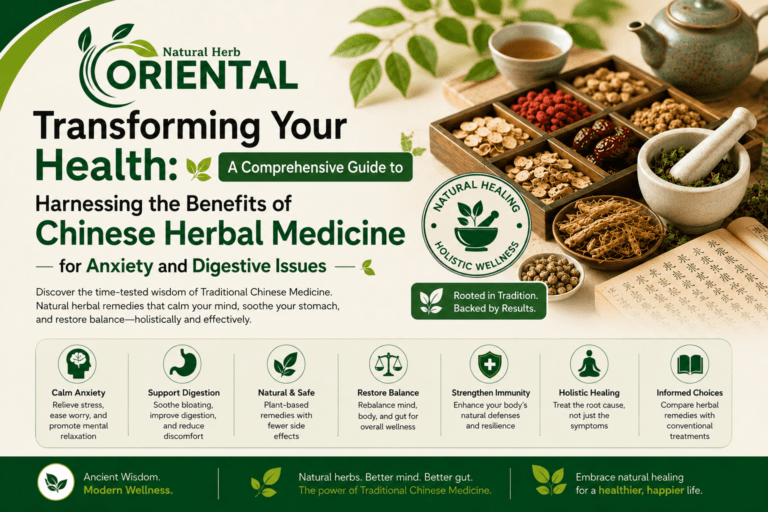
Transforming Your Health: A Comprehensive Guide to Harnessing the Benefits of Chinese Herbal Medicine for Anxiety and Digestive Issues
Introduction to Chinese Herbal Medicine
Chinese herbal medicine is one of the main therapeutic systems used within Traditional Chinese Medicine, commonly known as TCM. For centuries, TCM practitioners have used combinations of roots, flowers, seeds, fruits, bark and minerals to support health and restore balance throughout the body.
Unlike approaches that focus only on a single symptom, Traditional Chinese Medicine considers the relationship between physical health, emotional wellbeing, digestion, sleep, energy and daily habits. This makes Chinese herbal medicine especially relevant for people experiencing connected concerns such as anxiety, poor sleep, nausea, bloating, indigestion or changes in bowel habits.
However, Chinese herbs should not be selected simply because they are popular or described as natural. A qualified practitioner considers the person’s complete health pattern before recommending a formula.
How Anxiety and Digestion Are Connected
Anxiety can affect the digestive system in several ways. During periods of stress, people may experience nausea, abdominal tension, reduced appetite, diarrhoea, constipation, bloating or acid reflux. Persistent digestive problems may also increase worry, disrupt sleep and reduce overall quality of life.
Traditional Chinese Medicine describes this relationship through patterns involving Qi, Blood, Yin, Yang and the functional organ systems. For example, emotional stress may affect the smooth movement of Qi, while weakened digestive function may contribute to fatigue, excessive worrying and reduced concentration.
A TCM practitioner may ask about:
- Your appetite and eating schedule
- Bloating, gas, nausea or reflux
- Bowel movement frequency and consistency
- Sleep quality and energy levels
- Stress triggers and emotional changes
- Menstrual health, headaches or muscular tension
- Current medication and medical history
This detailed assessment helps the practitioner develop an individualized treatment strategy.
Chinese Herbal Remedies Traditionally Used for Anxiety
Chinese herbal formulas for anxiety are selected according to the person’s specific symptoms. Someone with anxiety and insomnia may require a different formula from someone experiencing anxiety, fatigue and poor appetite.
Suan Zao Ren – Ziziphus Seed
Suan Zao Ren is traditionally used to calm the mind and support restful sleep. It is often included in formulas for irritability, nervousness and frequent waking.
He Huan Pi – Albizia Bark
He Huan Pi is traditionally associated with emotional balance. It may be used when stress is accompanied by irritability, tension or low mood.
Fu Shen
Fu Shen is used in TCM formulas for excessive worrying, restlessness and disturbed sleep. It may also support digestive and fluid balance.
Yuan Zhi – Polygala Root
Yuan Zhi is traditionally used to support mental clarity, memory and emotional calmness. It is generally combined with other herbs rather than taken alone.
Ye Jiao Teng – Fleeceflower Vine
This herb is commonly included in formulas for poor sleep, nighttime restlessness and difficulty calming the mind.
Ling Zhi – Reishi Mushroom
Ling Zhi has traditionally been used to support calmness, energy, sleep and general wellbeing.
Chinese Herbs Traditionally Used for Digestive Issues
Digestive discomfort can have many causes, including food intolerances, infection, inflammation, medication effects, stress and underlying medical conditions. TCM treatment is therefore based on the individual’s digestive pattern rather than one standardized remedy.
Chen Pi – Aged Tangerine Peel
Chen Pi is traditionally used to support digestive movement and relieve bloating, nausea, abdominal fullness and reduced appetite.
Sheng Jiang – Fresh Ginger
Fresh ginger is commonly used to support digestion, reduce nausea and warm the digestive system.
Bai Zhu – Atractylodes Rhizome
Bai Zhu is often prescribed when digestive discomfort occurs alongside fatigue, loose stools or poor appetite.
Fu Ling – Poria
Fu Ling supports digestion and fluid balance. It may be selected when digestive weakness is associated with heaviness, loose stools or restlessness.
Sha Ren – Amomum Fruit
Sha Ren is traditionally used to support appetite and reduce nausea, abdominal discomfort and sluggish digestion.
Hou Po – Magnolia Bark
Hou Po is used in formulas for bloating, abdominal pressure, gas and digestive stagnation.
Shan Yao – Chinese Yam
Chinese yam is traditionally used to strengthen digestion and support people experiencing weakness, loose stools or reduced appetite.
Mu Xiang – Aucklandia Root
Mu Xiang may be included in formulas for abdominal discomfort, bloating and irregular digestive movement.
A Holistic TCM Treatment Approach
Chinese herbal medicine is only one part of a broader TCM treatment plan. Depending on the person’s needs, a practitioner may also recommend acupuncture, dietary adjustments, movement, breathing exercises, sleep support and stress-management techniques.
A holistic treatment plan may focus on:
- Supporting regular and comfortable digestion
- Improving sleep quality
- Reducing emotional and muscular tension
- Strengthening appetite and energy
- Identifying foods that aggravate symptoms
- Creating healthier eating and sleep routines
- Supporting long-term emotional resilience
Daily Habits That May Support Better Results
Healthy lifestyle habits can complement professionally guided treatment. Helpful practices may include:
- Eating meals at regular times
- Chewing food slowly and avoiding rushed meals
- Reducing excessive caffeine and alcohol
- Avoiding foods that repeatedly trigger symptoms
- Getting consistent, adequate sleep
- Practising gentle movement or breathing exercises
- Staying hydrated throughout the day
- Seeking counselling or mental health support when needed
Chinese Herbal Medicine vs Conventional Treatment
| Area | Chinese Herbal Medicine | Conventional Treatment |
|---|---|---|
| Assessment | Examines symptom patterns, lifestyle, sleep, digestion and emotional health | Uses clinical diagnosis, physical examination and medical testing |
| Anxiety Treatment | Personalized herbs, acupuncture and lifestyle support | Psychotherapy, medication or combined care |
| Digestive Treatment | Herbal formulas selected according to the digestive pattern | Diet changes, testing and condition-specific medication |
| Main Strength | Individualized, whole-person approach | Clear diagnostic pathways and effective acute care |
| Main Consideration | Correct herb selection, dosage and product quality require supervision | Medication may produce side effects and requires monitoring |
Chinese herbal medicine and conventional care do not always need to be treated as competing systems. In some cases, an integrative approach may combine medical diagnosis and treatment with professionally supervised TCM care.
Safety, Interactions and Professional Guidance
Chinese herbs contain active compounds and may influence the body in meaningful ways. They can cause side effects, allergic reactions or interactions with medication. Product quality and correct preparation are also important.
Consult a qualified practitioner before using Chinese herbs if you:
- Take antidepressants, blood thinners or blood pressure medication
- Use diabetes, seizure or immune-suppressing medication
- Are pregnant or breastfeeding
- Have liver, kidney or heart disease
- Are preparing for surgery
- Are treating a child or older adult
Seek medical attention for severe abdominal pain, vomiting blood, black stools, unexplained weight loss, persistent vomiting, chest pain, suicidal thoughts or symptoms that are rapidly worsening.
Why Choose The Oriental Herb?
At The Oriental Herb, Chinese herbal medicine is approached through personalized assessment and professionally guided care. Instead of using the same formula for every person, a practitioner considers your symptoms, digestion, sleep, energy, emotional wellbeing, lifestyle and existing medical treatment.
Your plan may include a customized herbal formula, nutritional guidance, lifestyle recommendations or additional Traditional Chinese Medicine services when appropriate.
Begin Your Personalized Wellness Journey
Discover how professionally guided Chinese herbal medicine may support anxiety, digestion, sleep and overall wellbeing.
❓ Frequently Asked Questions
What is Chinese herbal medicine?
Chinese herbal medicine is a branch of Traditional Chinese Medicine that uses personalized combinations of natural substances to support health and address diagnosed TCM patterns.
Can Chinese herbs help with anxiety?
Certain herbs are traditionally used to support calmness, emotional balance and sleep. Treatment should be individualized and should not replace necessary mental health care.
Can anxiety cause digestive issues?
Yes. Stress can affect appetite, stomach sensitivity, gut movement and bowel habits, contributing to nausea, bloating, indigestion, constipation or diarrhoea.
Can Chinese herbs be taken with conventional medicine?
Sometimes, but only with professional guidance. Certain herbs may change how prescription medications work or increase the risk of side effects.
How quickly does Chinese herbal medicine work?
Results vary according to the condition, symptom severity, formula, lifestyle and individual response. Some people notice gradual changes, while chronic concerns may require longer treatment.
How do I choose a qualified TCM practitioner?
Look for appropriate education, professional registration where applicable, transparent product sourcing and experience treating the type of concern you are experiencing.