
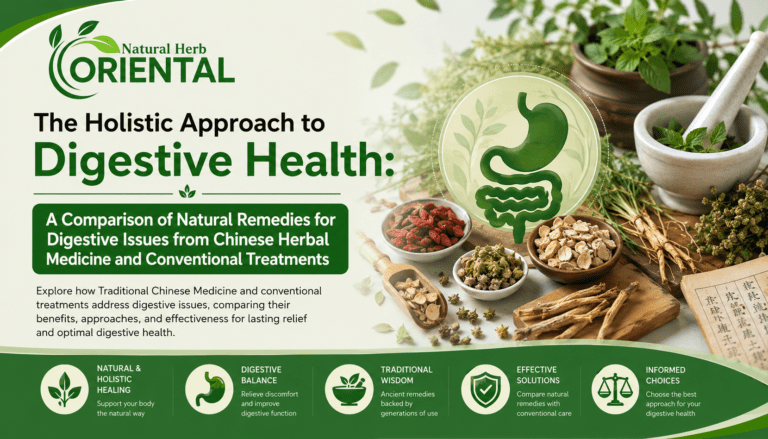
Digestive health plays a major role in overall wellness. When the digestive system is not working properly, it can affect energy, mood, sleep, appetite, immunity, and daily comfort. Many people experience digestive issues such as acid reflux, bloating, gas, constipation, loose stools, nausea, indigestion, and stomach discomfort. These symptoms may seem small at first, but when they continue for a long time, they can affect quality of life.
Conventional medicine offers many helpful treatments for digestive problems, including antacids, acid reducers, anti-nausea medicine, laxatives, anti-diarrheal medication, and prescription treatments. These options can be useful, especially when symptoms are severe or connected to a diagnosed condition.
However, many people are also searching for natural remedies for digestive issues. This is where Traditional Chinese Medicine, also known as TCM, and Chinese Herbal Medicine may offer a more holistic approach. Instead of only focusing on symptom relief, TCM looks at the full body, including diet, lifestyle, stress, sleep, energy, and internal balance.
At The Oriental Natural Herbs, Chinese Herbal Medicine and holistic wellness services are used to support natural balance and help people take a more personalized approach to digestive health.
Key Takeaways
Traditional Chinese Medicine focuses on whole-body balance and looks at the root patterns behind digestive discomfort.
Chinese Herbal Medicine may support digestive issues such as acid reflux, bloating, gas, nausea, indigestion, constipation, loose stools, and stomach discomfort.
Common natural remedies used in TCM may include ginger, peppermint, licorice root, tangerine peel, hawthorn berry, fennel seed, poria mushroom, and atractylodes.
Conventional treatments often provide symptom relief, while TCM focuses on personalized support, lifestyle, diet, and internal balance.
Chinese Herbal Medicine and conventional care may be used together when guided by qualified professionals.
Understanding Digestive Health
Digestive health is not only about the stomach. The digestive system helps break down food, absorb nutrients, create energy, support immunity, and remove waste from the body. When digestion is strong, people often feel more energetic, comfortable, and balanced.
When digestion is weak or irritated, symptoms may appear, including:
- Acid reflux
- Heartburn
- Bloating
- Gas
- Nausea
- Constipation
- Diarrhea
- Loose stools
- Indigestion
- Poor appetite
- Stomach pain
- Fatigue after eating
Digestive symptoms can be caused by many factors, including poor diet, stress, irregular meals, food sensitivities, lack of sleep, medication side effects, infections, or medical conditions. Because there are many possible causes, a personalized approach is important.
How Traditional Chinese Medicine Views Digestion
Traditional Chinese Medicine views digestion as one of the most important foundations of health. In TCM, the digestive system is responsible for transforming food into energy and nourishment. If this process is weak or blocked, the body may not receive the support it needs.
TCM practitioners often look at the relationship between digestion, energy, emotions, sleep, and lifestyle. For example, stress may worsen bloating or acid reflux. Poor sleep may affect appetite and digestion. Eating cold, greasy, or heavy foods may create discomfort for some people.
In TCM, digestive issues may be connected to patterns such as:
- Weak digestion
- Qi stagnation
- Food stagnation
- Internal heat
- Dampness
- Cold digestion
- Stress-related digestive imbalance
- Poor movement of energy
This is why two people with the same symptom may receive different herbal recommendations. One person with bloating may need warming digestive herbs, while another may need herbs that help move Qi and reduce food stagnation.
Conventional Treatments for Digestive Issues
Conventional medicine is important for digestive health. Doctors can diagnose medical conditions, perform tests, prescribe medication, and treat serious problems. This approach is especially important when symptoms are severe, sudden, or long-lasting.
Common conventional treatments for digestive issues may include:
- Antacids for heartburn
- Acid reducers for acid reflux
- Proton pump inhibitors for GERD
- Anti-nausea medication
- Anti-diarrheal medication
- Laxatives for constipation
- Fiber supplements
- Antibiotics when needed
- Prescription medication for IBS
- Dietary recommendations
- Medical testing and procedures
These treatments can provide relief and may be necessary for many people. However, some treatments mainly focus on controlling symptoms. They may not always address stress, diet, lifestyle, or long-term digestive balance.
For example, acid reflux medication may reduce burning and discomfort, but a person may still need to improve eating habits, reduce stress triggers, and support digestive function. This is why some people choose to combine conventional care with natural digestive support.
Natural Remedies for Digestive Issues from Chinese Herbal Medicine
Chinese Herbal Medicine uses natural herbs, roots, seeds, fruits, mushrooms, and plant-based ingredients to support the body. Herbs are often combined into formulas rather than used alone. The goal is to create balance and match the formula to the person’s individual needs.
Below are some common natural remedies used in Traditional Chinese Medicine and holistic digestive care.
1. Ginger
Ginger is one of the most popular natural remedies for digestion. It may help support nausea relief, stomach comfort, circulation, and cold-type digestive discomfort.
In TCM, ginger is often used to warm the stomach and support healthy digestive movement. It may be helpful for people who feel nausea, stomach coldness, or discomfort after eating.
2. Peppermint
Peppermint is commonly used for bloating, gas, and digestive tension. It may help relax the digestive tract and support abdominal comfort.
However, peppermint may worsen acid reflux in some people, so it should be used carefully. A qualified practitioner can help decide whether peppermint is suitable.
3. Licorice Root
Licorice root is often used in Chinese herbal formulas to harmonize other herbs and support stomach comfort. It may help soothe digestive irritation and support balance in certain formulas.
Licorice root may affect blood pressure and potassium levels, so people with high blood pressure or certain health conditions should use it only under professional guidance.
4. Tangerine Peel
Tangerine peel, also known as Chen Pi, is widely used in TCM for bloating, gas, poor digestion, and food stagnation. It helps support the movement of Qi and may reduce abdominal fullness.
This herb is often included in formulas for people who feel heavy, bloated, or uncomfortable after meals.
5. Hawthorn Berry
Hawthorn berry is commonly used to support digestion after heavy, greasy, or rich meals. It may help reduce food stagnation and support digestive comfort.
People taking heart or blood pressure medication should speak with a healthcare professional before using hawthorn supplements.
6. Fennel Seed
Fennel seed is often used for gas, bloating, and abdominal discomfort. In TCM, it may be used for cold-type abdominal pain and digestive weakness.
It is commonly found in digestive teas and herbal formulas.
7. Poria Mushroom
Poria, also known as Fu Ling, is a gentle herb used to support digestion, fluid balance, and calmness. It may be included in formulas for bloating, fatigue, loose stools, and weak digestion.
Poria is often used when digestive problems are connected with heaviness, tiredness, or dampness.
8. Atractylodes
Atractylodes is commonly used in Chinese Herbal Medicine to support digestive strength, appetite, energy, and fluid balance. It may be recommended for people who experience bloating, poor appetite, fatigue after eating, or loose stools.
It is often combined with poria and other herbs in digestive formulas.
9. Turmeric
Turmeric is known for its natural anti-inflammatory properties. It may support digestion, circulation, and inflammation balance.
People taking blood thinners or preparing for surgery should speak with a healthcare provider before using turmeric supplements.
10. Lotus Seed
Lotus seed may support digestion, calmness, and gentle strengthening. In TCM, it may be included in formulas for loose stools, weak digestion, stress-related digestive issues, and low energy.
Comparing TCM and Conventional Treatments
Both Traditional Chinese Medicine and conventional medicine can support digestive health, but they work in different ways.
Conventional medicine is very important for diagnosis, testing, emergency care, and treating serious digestive conditions. It may be the best option for severe symptoms, bleeding, unexplained weight loss, persistent vomiting, ulcers, inflammatory bowel disease, or serious infections.
Chinese Herbal Medicine focuses on natural support, whole-body balance, and personalized formulas. It may be helpful for people dealing with ongoing digestive discomfort, mild bloating, stress-related digestion, acid reflux support, poor appetite, or general digestive weakness.
The main difference is that conventional treatments often focus on controlling symptoms, while TCM focuses on understanding the pattern behind the symptoms. For many people, both approaches can work together.
Can Chinese Herbal Medicine and Conventional Medicine Work Together?
Yes, many people use Chinese Herbal Medicine alongside conventional medical care. For example, a person may see a doctor for testing and medication while also working with a TCM practitioner for herbal support, diet guidance, stress management, and digestive balance.
However, it is important to use herbs safely. Some herbs may interact with medications or may not be suitable for certain conditions. Always tell your doctor and TCM practitioner about all medications, supplements, and health conditions.
You should be especially careful if you:
- Take prescription medication
- Use blood thinners
- Have high blood pressure
- Have liver or kidney disease
- Are pregnant or breastfeeding
- Have a chronic medical condition
- Are preparing for surgery
Safety Tips Before Using Chinese Herbal Remedies
Natural remedies can be helpful, but they should be used responsibly. Before starting Chinese herbs for digestive issues, follow these safety tips:
- Consult a qualified TCM practitioner
- Share your full health history
- Mention all medications and supplements
- Avoid self-prescribing strong herbs
- Use high-quality herbal products
- Follow dosage instructions
- Stop use if you notice unusual symptoms
- Do not stop prescribed medication without medical advice
You should seek medical care quickly if you experience severe abdominal pain, blood in stool, black stools, unexplained weight loss, persistent vomiting, chest pain, difficulty swallowing, or symptoms that continue to worsen.
Why Choose The Oriental Natural Herbs?
If you are searching for Chinese Herbal Medicine for digestive health or Traditional Chinese Medicine near Cliffside Park, NJ, The Oriental Natural Herbs offers natural wellness support through personalized herbal care and holistic services.
Services may include:
- Chinese Herbal Medicine
- Chinese herb medicine
- Herbal consultation
- Extracted granulated tea
- Extracted tablets
- Pulse TCM check
- Tuina massage
- Cupping therapy
- Nutrition guidance
- Holistic wellness support
The clinic may support wellness concerns such as digestive issues, acid reflux, bloating, anxiety, stress, backache, allergies, acne, eczema, cold and flu, cholesterol support, and general wellness.
A personalized consultation can help identify which Chinese herbal remedies or holistic services may be right for your digestive health needs.
Frequently Asked Questions
What is the difference between TCM and conventional medicine?
Traditional Chinese Medicine focuses on balance, root patterns, lifestyle, and whole-body wellness. Conventional medicine focuses on diagnosis, testing, medications, procedures, and treatment of specific diseases.
Can Chinese Herbal Medicine help with digestive issues?
Chinese Herbal Medicine may support digestive concerns such as bloating, acid reflux, gas, nausea, poor appetite, loose stools, constipation, and stomach discomfort. The right formula depends on the person’s symptoms and body constitution.
What are the best Chinese herbs for digestion?
Common herbs used for digestion may include ginger, tangerine peel, licorice root, poria mushroom, atractylodes, hawthorn berry, fennel seed, peppermint, turmeric, and lotus seed.
Is ginger good for digestion?
Ginger may support nausea relief, stomach comfort, circulation, and cold-type digestive discomfort. It is commonly used in Traditional Chinese Medicine and natural wellness plans.
Is peppermint good for digestive problems?
Peppermint may help with gas, bloating, and digestive tension. However, it may worsen acid reflux in some people, so it should be used carefully.
Can I use Chinese herbs with conventional medicine?
Chinese herbs may sometimes be used with conventional medicine, but you should speak with your doctor and a qualified TCM practitioner first. Some herbs may interact with medications.
Are Chinese herbal remedies safe?
Chinese herbal remedies may be safe when used properly under the guidance of a qualified practitioner. Safety depends on the herb, dose, product quality, health condition, and medications.
Conclusion
Digestive health is essential for energy, immunity, mood, sleep, and overall wellbeing. While conventional treatments can provide important symptom relief and medical care, Traditional Chinese Medicine offers a holistic approach that looks at the full person.
Chinese Herbal Medicine may support digestive concerns such as acid reflux, bloating, gas, nausea, poor appetite, constipation, loose stools, and stomach discomfort. Herbs such as ginger, tangerine peel, licorice root, poria mushroom, atractylodes, hawthorn berry, fennel seed, peppermint, and turmeric may be used in personalized formulas to support digestive balance.
The best approach is not always choosing one system over the other. Many people benefit from combining conventional medical care with TCM support under professional guidance.
If you are looking for natural remedies for digestive issues or Chinese Herbal Medicine near Cliffside Park, NJ, The Oriental Natural Herbs can help you explore a personalized and holistic path toward better digestive health.
Book a consultation today and take the next step toward natural digestive balance and whole-body wellness.