
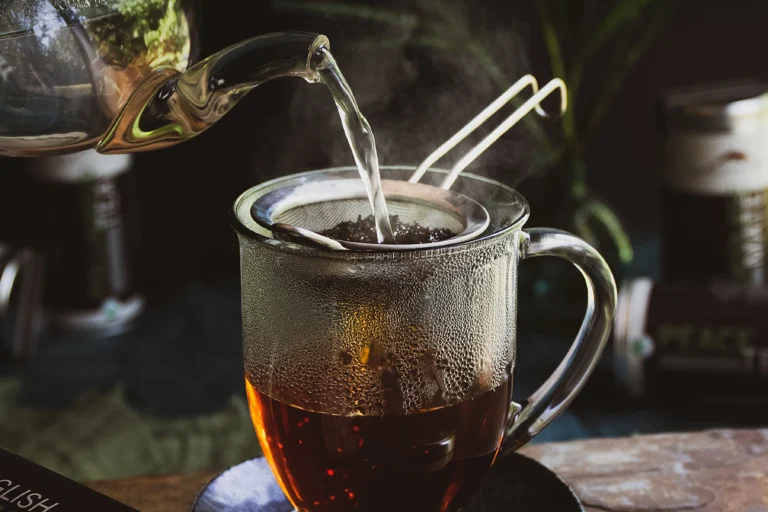
Winter is the perfect time to indulge in herbal teas. The cold weather can leave us feeling drained and chilly, but a warm cup of herbal tea can provide comfort and health benefits. If you’re wondering how to brew herbal teas for winter, you’re in the right place. This blog will guide you step by step, offering tips and insights on making the best herbal teas for this season.
Why Herbal Teas Are Perfect for Winter
When the cold sets in, it’s easy to crave something warm to soothe your body and mind. Herbal teas are an excellent choice for winter as they can help boost your immune system, improve circulation, and keep you hydrated. Certain herbs have natural warming properties, which can make your body feel cozy and relaxed. Additionally, herbal teas are caffeine-free, making them a perfect option before bedtime.
In this blog, we will explore the best herbal teas for winter and provide you with the essential tips on how to brew herbal teas for winter.
Best Herbs to Use in Winter Herbal Teas
Before diving into how to brew herbal teas for winter, let’s explore some of the most popular herbs used during this season. These herbs are known for their warming and soothing qualities, which make them ideal for winter brewing.
1. Ginger
Ginger is a well-known herb that has been used for centuries to treat colds and improve circulation. It is also a natural anti-inflammatory, which helps relieve muscle tension and discomfort caused by the cold. Ginger tea has a sharp, spicy flavor that can warm you from the inside out, making it an excellent choice for winter.
2. Cinnamon
Cinnamon adds a rich, spicy flavor to any tea, making it perfect for cold days. Known for its ability to regulate blood sugar levels and promote digestion, cinnamon is often included in winter tea blends. It’s also packed with antioxidants, which can help fight off infections during the winter months.
3. Peppermint
Peppermint is a refreshing herb that not only soothes your stomach but also has a cooling effect. While it might seem like a summer herb, it can also be very beneficial in winter. Peppermint can help clear nasal congestion, which is especially useful when you catch a winter cold.
4. Chamomile
Chamomile is perfect for winding down after a long, chilly day. Known for its calming effects, chamomile tea is ideal before bed. Its soothing properties can help you sleep better and wake up feeling rested and rejuvenated.
5. Echinacea
Echinacea is widely known for its ability to boost the immune system, making it a popular choice for winter. It helps your body fight off viruses, making it an excellent herb for winter wellness. Echinacea tea is often used to prevent or reduce the duration of colds and flu.
How to Brew Herbal Teas for Winter: Step-by-Step Guide
Now that you know which herbs are best for winter teas, let’s dive into the details of how to brew herbal teas for winter. Brewing herbal tea is simple and can be done in just a few easy steps.
Step 1: Choose Your Herbs
Start by choosing the herbs you want to include in your winter tea. You can use a single herb or combine several to create a blend. For example, combining ginger and cinnamon can result in a warming and spicy tea, while chamomile and peppermint offer a soothing blend.
Step 2: Measure Your Herbs
Once you’ve chosen your herbs, it’s important to measure the right amount for your brew. Generally, one teaspoon of dried herbs per cup of water is a good guideline. If you’re using fresh herbs, double the amount.
Step 3: Boil the Water
Bring your water to a boil, as boiling water is essential for extracting the full flavor and benefits of the herbs. If you’re using delicate herbs like chamomile, reduce the heat slightly after boiling to avoid over-extracting.
Step 4: Add the Herbs
Once your water is boiled, place the herbs in a teapot, infuser, or directly in your cup. Pour the hot water over the herbs and cover to keep the heat trapped in. Let the herbs steep for 5-10 minutes, depending on how strong you want your tea to be. The longer the herbs steep, the more flavorful and potent the tea will become.
Step 5: Strain and Serve
After steeping, strain the herbs from the liquid using a fine mesh strainer or tea infuser. Pour the tea into your favorite mug and enjoy! You can sweeten your tea with honey or add lemon for a zesty twist.
Tips for Brewing the Perfect Winter Herbal Tea
- Experiment with Blends: Don’t hesitate to mix different herbs to create unique flavors. Ginger and cinnamon are a great combination for winter, while peppermint and chamomile can offer a relaxing evening brew.
- Use Fresh Ingredients: Fresh herbs often provide a more vibrant flavor than dried ones. If possible, grow your own herbs or visit a local market to find fresh options.
- Adjust Steeping Time: The longer you steep your tea, the stronger the flavor will be. If you prefer a milder taste, steep for a shorter time. Experiment to find what works best for you.
- Stay Hydrated: While herbal tea is warming and soothing, it’s still important to drink plenty of water throughout the day to stay hydrated.
Creative Herbal Tea Blends for Winter
When learning how to brew herbal teas for winter, it’s fun to try different blends. Here are a few creative combinations that you can experiment with:
1. Ginger-Cinnamon Spice Tea
For a tea that will warm you up instantly, try brewing a blend of ginger and cinnamon. This spicy combination not only tastes delicious but also offers great health benefits, such as improved digestion and enhanced immunity.
2. Chamomile-Peppermint Relaxation Tea
If you’re seeking a calming brew to help you unwind, combine chamomile and peppermint. This tea is perfect before bedtime, helping you relax and get a good night’s sleep.
3. Echinacea and Lemon Zinger
Boost your immunity this winter with a tea made from echinacea and lemon. The tangy lemon complements the earthy flavor of echinacea, making a refreshing yet immune-boosting brew.
4. Spice of the Season Tea
This blend combines cardamom, cloves, and cinnamon for a sweet and spicy tea. It’s perfect for those cold winter afternoons when you need a cozy pick-me-up.
How to Brew Herbal Teas for Winter and Boost Your Immunity
Winter is the season when our immune system needs extra support. By incorporating herbs like echinacea, ginger, and peppermint into your tea routine, you can give your body the defense it needs. These herbs have antiviral properties that can help prevent colds and flu, making herbal teas a natural remedy during the colder months.
Conclusion: How to Brew Herbal Teas for Winter
Learning how to brew herbal teas for winter is easy, and the benefits are endless. Whether you’re seeking warmth, relaxation, or immune support, herbal teas offer the perfect solution. By selecting the right herbs, experimenting with blends, and following the steps outlined in this guide, you can enjoy a cozy, comforting cup of tea all winter long. So, gather your favorite herbs, get brewing, and enjoy the warmth of a homemade herbal tea in the comfort of your home
Read our Latest Blog