
Joint pain can become more intense during seasonal changes, especially in colder months. This discomfort often affects people with arthritis or similar conditions. Thankfully, Traditional Chinese Medicine (TCM) offers effective and natural ways to alleviate seasonal joint pain. In this blog, we’ll explore how TCM can help you manage joint discomfort, improve mobility, and enhance overall wellness.
Understanding Seasonal Joint Pain
Seasonal joint pain is a common issue that many experience when temperatures drop or weather conditions shift. Cold and damp environments can exacerbate stiffness and discomfort, making daily activities challenging. According to TCM principles, joint pain is often linked to an imbalance in the body’s energy, or “Qi.” This imbalance is influenced by external factors like wind, cold, and dampness.
By understanding the root cause of pain, TCM focuses on addressing the underlying imbalance rather than just treating symptoms. This approach ensures long-lasting relief and improves overall health.
How TCM Explains Joint Pain
In TCM, joint pain is categorized as a “Bi Syndrome,” which refers to blockages in energy flow. These blockages can result from exposure to environmental factors such as cold or damp weather.
There are three primary types of “Bi Syndrome” related to joint pain:
- Cold Bi: Pain that worsens in cold weather and improves with heat.
- Damp Bi: Stiffness and swelling, often aggravated by humidity.
- Wind Bi: Pain that moves from one joint to another, often linked to windy conditions.
Each type requires a tailored approach for effective treatment. TCM’s holistic techniques address these variations and promote harmony within the body.
Key Practices
1. Acupuncture for Pain Relief
Acupuncture is a cornerstone of TCM and is highly effective for treating seasonal joint pain. Thin needles are inserted into specific energy points to unblock Qi and improve circulation. This method reduces inflammation, alleviates stiffness, and eases pain.
Studies have shown that acupuncture can:
- Reduce chronic pain associated with arthritis.
- Improve joint flexibility and function.
- Enhance the body’s natural healing process.
Adding acupuncture to your routine can significantly enhance your quality of life during seasonal changes.
2. Herbal Remedies for Joint Health
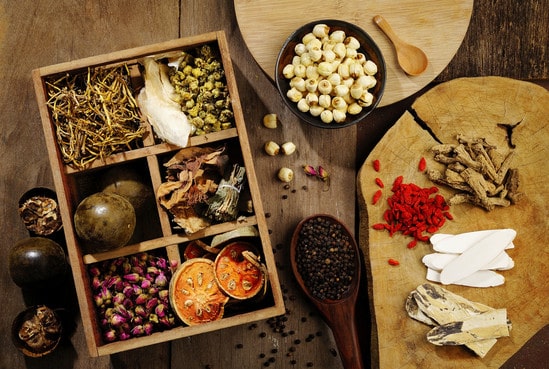
Herbal medicine is another essential component of TCM. Herbs like cinnamon, ginger, and Eucommia bark are commonly used to treat joint pain. These herbs help improve circulation, reduce inflammation, and warm the body—key factors in relieving cold-induced pain.
Popular TCM herbal formulas for joint pain include:
- Du Huo Ji Sheng Tang: Ideal for chronic pain in the lower back and legs.
- Gui Zhi Tang: Effective for cold-induced stiffness.
- Xiao Huo Luo Dan: Used for severe cold and damp joint pain.
Always consult a TCM practitioner before starting herbal treatments to ensure safety and effectiveness.
3. Cupping Therapy for Improved Circulation
Cupping therapy involves placing heated cups on the skin to stimulate blood flow and remove stagnation. This practice relieves tension and promotes healing in affected joints. It’s particularly effective for addressing cold and damp conditions that worsen joint pain.
4. Dietary Adjustments to Support Joint Health
In TCM, food is considered medicine. Eating the right foods can significantly reduce seasonal joint pain. Incorporate warming foods like:
- Soups and broths.
- Spices like turmeric and ginger.
- Root vegetables like carrots and sweet potatoes.
Avoid cold and raw foods, as they can worsen cold-induced joint pain. Drinking herbal teas like ginger or cinnamon tea can also provide warmth and relief.
5. Qi Gong and Tai Chi for Mobility
These gentle exercises focus on controlled movements and deep breathing. They improve flexibility, enhance circulation, and strengthen muscles around the joints. Practicing Qi Gong or Tai Chi regularly can help manage seasonal joint pain effectively.
Benefits of Treating Joint Pain with TCM
Using TCM for joint pain offers several benefits, including:
- Holistic Healing: TCM addresses the root cause of pain, ensuring long-term relief.
- Natural Approach: Treatments involve herbs, acupuncture, and lifestyle changes, avoiding harsh medications.
- Personalized Care: TCM treatments are tailored to individual needs, providing targeted relief.
- Improved Mobility: Regular TCM practices enhance flexibility and reduce stiffness.
- Enhanced Well-being: TCM not only reduces pain but also boosts overall health and energy levels.
Key Tips for Managing Joint
- Stay Warm: Dress in layers and use heating pads to keep joints warm.
- Stay Active: Engage in low-impact exercises to maintain joint flexibility.
- Hydrate: Drink plenty of water to keep joints lubricated.
- Seek Professional Guidance: Work with a licensed TCM practitioner for personalized treatments.
- Incorporate TCM Practices: Use acupuncture, herbal remedies, and dietary adjustments consistently.
Success Stories: Treating Seasonal Joint Pain with TCM
Many individuals have experienced remarkable improvements in joint pain through TCM. For example:
- Sarah’s Story: A 45-year-old teacher, Sarah struggled with knee pain every winter. After three months of acupuncture and herbal treatments, she noticed reduced pain and improved mobility.
- John’s Journey: A retiree with arthritis, John used cupping therapy and warming foods. He now enjoys walking daily, even in colder months.
These real-life examples highlight the transformative potential of TCM.
Final Thoughts on Treating Seasonal Joint Pain with TCM
Seasonal joint pain doesn’t have to disrupt your life. By embracing TCM’s natural and holistic methods, you can find effective relief. Whether through acupuncture, herbal remedies, or dietary changes, TCM offers comprehensive solutions for joint pain.
As the seasons change, take proactive steps to protect your joints. Treating seasonal joint pain with TCM can improve your mobility, reduce discomfort, and enhance your overall well-being. Start your journey to pain-free living today by consulting a qualified TCM practitioner. With consistent care and dedication, you can enjoy the benefits of balanced health throughout the year.
Read our blog
Chinese Herbs for Winter Fatigue Relief