
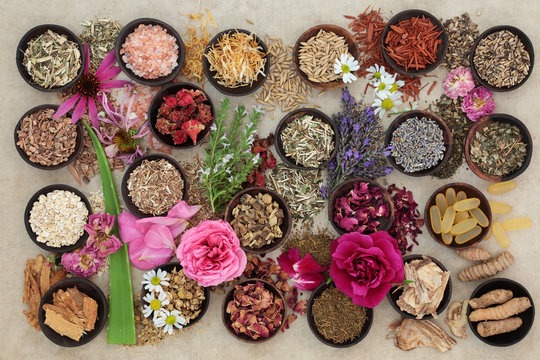
Aromatherapy, a practice that uses natural plant extracts to promote well-being, has roots in many ancient traditions. Among the most fascinating and effective ingredients in this holistic therapy are Chinese herbs. Chinese Herbs in Aromatherapy combine the healing power of traditional Chinese medicine (TCM) with the sensory benefits of essential oils. This ancient blend of wellness and fragrance is gaining popularity for its unique ability to balance the mind and body naturally.
What Are Chinese Herbs in Aromatherapy?
Chinese herbs are plants, roots, flowers, and seeds used in TCM for thousands of years to treat various ailments. When infused into aromatherapy, these herbs release potent essential oils that carry their therapeutic properties. Chinese Herbs in Aromatherapy not only provide relaxation and rejuvenation but also address specific health concerns like stress, anxiety, and respiratory issues.
For example, herbs like ginger, ginseng, and Chinese mint offer benefits for both the body and the mind. When used as essential oils, they create a multi-sensory healing experience. This blend of TCM principles with modern aromatherapy creates a unique, natural approach to wellness.
The Benefits of Chinese Herbs in Aromatherapy
1. Relieves Stress and Anxiety
Many Chinese herbs used in aromatherapy are known for their calming effects. For instance, lavender, infused with TCM herbs like jujube seeds, helps reduce stress levels effectively. The scent of these herbs promotes relaxation by calming the central nervous system. Chinese Herbs in Aromatherapy offer a natural way to unwind after a long day.
2. Enhances Respiratory Health
Herbs such as Chinese mint (Bo He) and magnolia bark are excellent for improving breathing. These herbs clear nasal passages and reduce inflammation in the respiratory system. When their essential oils are diffused, they create a soothing environment for better respiratory health.
3. Boosts Energy and Focus
Looking for a natural way to combat fatigue? Ginseng, one of the most celebrated Chinese herbs, is a great energy booster. Combined with aromatherapy, ginseng essential oil revitalizes the mind and body. Similarly, ginger oil helps improve focus and energy levels, making it an excellent choice for busy days.
4. Improves Skin Health
Aromatherapy using Chinese herbs like chrysanthemum and goji berries offers immense benefits for skin health. These herbs are rich in antioxidants and help fight inflammation, promoting a healthy glow. Applying essential oils made from these herbs or using them in facial steams can deeply nourish the skin.
5. Balances Emotional Well-Being
Many Chinese herbs work on balancing emotions. For example, herbs like Angelica root and sandalwood help stabilize mood swings and foster a sense of inner peace. The aromatherapy process enhances the effects of these herbs, creating a serene and grounded state of mind.
How to Use Chinese Herbs in Aromatherapy
Using Chinese Herbs in Aromatherapy doesn’t require advanced skills. Here are some simple methods to incorporate them into your daily routine:
1. Essential Oil Diffusers
Essential oils extracted from Chinese herbs can be added to diffusers for continuous benefits. This method is ideal for creating a relaxing environment at home or work.
2. Massage Oils
Blend essential oils derived from Chinese herbs with a carrier oil like jojoba or coconut oil. This mixture can be used for massages to relieve tension, improve circulation, and nourish the skin.
3. Steam Inhalation
For respiratory issues, add a few drops of Chinese herb-based essential oil to hot water. Inhale the steam to clear your sinuses and feel refreshed.
4. Aromatherapy Baths
Mix essential oils with bath salts or directly into warm bathwater. Herbs like lotus or sandalwood add a luxurious and therapeutic touch to your bathing experience.
5. Topical Application
Some essential oils can be applied directly to the skin, but always dilute them with a carrier oil first. This method is perfect for addressing localized pain or skin concerns.
Popular Chinese Herbs in Aromatherapy
1. Ginger (Gan Jiang)
Ginger is warming and energizing, often used to improve circulation and relieve muscle tension. Its spicy and uplifting scent boosts focus and clarity.
2. Chinese Mint (Bo He)
This cooling herb is ideal for treating headaches and respiratory issues. Its refreshing aroma helps reduce mental fatigue and enhances alertness.
3. Ginseng (Ren Shen)
Known as a revitalizing herb, ginseng promotes energy and reduces stress. In aromatherapy, it acts as an uplifting and grounding agent.
4. Chrysanthemum (Ju Hua)
Chrysanthemum is a soothing herb often used in skincare. It reduces inflammation and promotes relaxation when used in aromatherapy.
5. Goji Berries (Gou Qi Zi)
These antioxidant-rich berries are perfect for nourishing the skin and improving overall vitality. Their sweet, earthy scent adds depth to any aromatherapy blend.
6. Magnolia Bark (Hou Po)
Magnolia bark has calming properties and is often used for stress relief and better sleep. Its woody aroma is both grounding and comforting.
Why Choose Chinese Herbs in Aromatherapy?
Blending traditional Chinese medicine with aromatherapy offers unmatched benefits. The herbs’ centuries-old wisdom complements the sensory appeal of essential oils. Whether you’re looking for a natural remedy for stress or a luxurious self-care routine, Chinese Herbs in Aromatherapy provide versatile and effective solutions.
Additionally, these herbs work in harmony with the body’s natural rhythms, promoting holistic healing. Their use in aromatherapy adds an extra layer of effectiveness, addressing both physical and emotional well-being.
Tips for Safe Usage
While Chinese Herbs in Aromatherapy are generally safe, it’s essential to use them properly.
- Dilution is Key: Essential oils should always be diluted before application to avoid irritation.
- Patch Test: Conduct a patch test on your skin to ensure you’re not allergic.
- Consult Professionals: If you’re pregnant, nursing, or on medication, consult a healthcare provider before using these herbs.
- Storage: Store essential oils in a cool, dark place to preserve their potency.
Conclusion
Chinese Herbs in Aromatherapy beautifully blend the therapeutic properties of traditional Chinese medicine with the sensory benefits of essential oils. By incorporating these herbs into your wellness routine, you can address stress, boost energy, improve skin health, and much more. Their versatility and effectiveness make them an invaluable tool for holistic healing.
As the practice of aromatherapy continues to grow, so does the recognition of Chinese herbs as powerful, natural remedies. Explore the world of Chinese Herbs in Aromatherapy and discover how these ancient plants can transform your well-being, one fragrant breath at a time.
Read our latest Blog
Chinese herbal medicine for ADHD symptoms