
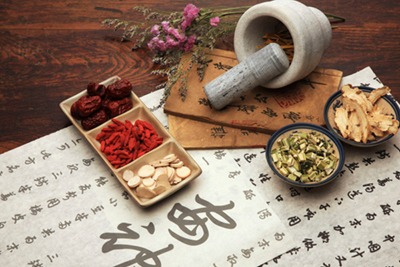
Chinese herbs have fascinated people around the world for centuries. Their origin is deeply rooted in the rich history and culture of China. Known for their therapeutic benefits, these natural remedies continue to play a crucial role in traditional medicine practices today. But where do Chinese herbs originate from? This blog explores their historical roots, geographic sources, and the philosophy behind their usage.
A Historical Journey Through the Origins of Chinese Herbs
The origins of Chinese herbs date back thousands of years. The practice began during the Shang Dynasty (1600–1046 BCE) when early humans discovered the healing properties of plants. Over time, these remedies evolved through observation, trial, and error. Early Chinese texts, such as the Shennong Bencao Jing (Divine Farmer’s Materia Medica), written around 200 CE, provide detailed knowledge about these herbs.
This text lists 365 herbs categorized into three groups:
- Superior herbs (promoting longevity and overall health).
- Medium herbs (used to prevent illnesses).
- Inferior herbs (primarily for treating specific conditions).
Chinese herbal medicine gradually developed alongside other traditional practices like acupuncture, feng shui, and tai chi. The underlying philosophy emphasizes harmony between the body, mind, and nature.
Where Do Chinese Herbs Grow?
China’s vast and diverse geography provides a fertile ground for various herbs. The country has distinct climate zones, ranging from tropical in the south to temperate in the north. This diversity makes it an ideal place for cultivating numerous medicinal plants.
Here are some key regions where Chinese herbs originate:
1. Sichuan Province
Sichuan is renowned for its high-quality herbs. This region’s cool, moist climate supports the growth of species like Sichuan pepper, Dong Quai (Angelica sinensis), and Coptis root (Huang Lian). These herbs are often used for digestion, blood circulation, and inflammation.
2. Yunnan Province
Known as the “Kingdom of Plants,” Yunnan boasts unique biodiversity. Herbs like Notoginseng (San Qi) and Cordyceps thrive in its high-altitude forests. These are prized for their energy-boosting and immunity-strengthening properties.
3. Zhejiang Province
Zhejiang is home to some of the best-quality Chinese teas, but it also produces Chinese skullcap (Huang Qin) and Polygonum multiflorum (He Shou Wu). These herbs are often used for liver health and anti-aging purposes.
4. Northern China (Heilongjiang and Inner Mongolia)
The colder climate in northern China supports the growth of hardy herbs like Astragalus (Huang Qi) and Licorice root (Gan Cao). These herbs are known for boosting energy and balancing the immune system.
The Cultural Significance of Chinese Herbs
Chinese herbal medicine is more than a medical system; it’s a way of life. The traditional philosophy of Yin and Yang guides the selection and combination of herbs. Herbs classified as “Yin” cool and nourish the body, while “Yang” herbs provide warmth and energy.
For example:
- Ginseng is a Yang herb that boosts vitality and warms the body.
- Rehmannia root is a Yin herb that soothes inflammation and cools the body.
The idea is to achieve balance in the body for optimal health. This philosophy has influenced not just China but the global perception of herbal remedies.
How Are Chinese Herbs Harvested?
Chinese herbs are harvested carefully to preserve their medicinal properties. Traditional methods still dominate in many areas, emphasizing respect for nature. Harvesting times vary depending on the herb and its desired effect.
For instance:
- Roots like Ginseng are often dug out during autumn when their nutrient content peaks.
- Flowers such as Chrysanthemum are picked when they are in full bloom.
- Leaves like Mint are collected during early summer for maximum potency.
Once harvested, the herbs are dried, ground, or processed into powders, tinctures, or teas.
Why Are Chinese Herbs Popular Worldwide?
The popularity of Chinese herbs has spread far beyond Asia. Many people seek them for their natural healing properties and fewer side effects compared to synthetic drugs. Modern research supports the benefits of certain herbs, such as:
- Reishi mushroom for stress relief.
- Astragalus root for immunity.
- Schisandra berry for liver health.
Global demand has created opportunities for large-scale herb farming, but it has also raised concerns about sustainability and authenticity.
The Evolution of Chinese Herbal Medicine in the Modern World
Chinese herbs have adapted to modern times without losing their traditional essence. Today, herbal remedies are available in forms like capsules, teas, and liquid extracts. Many holistic practitioners integrate Chinese herbs with acupuncture and nutrition to create comprehensive treatment plans.
The principles remain the same:
- Treat the root cause of an illness.
- Focus on prevention.
- Use natural, balanced remedies.
Where Do Chinese Herbs Originate From? Ancient Wisdom in Modern Wellness
To sum up, Chinese herbs originate from the rich tapestry of China’s history, geography, and philosophy. The practice began with ancient texts and evolved into a globally respected field of medicine. Provinces like Sichuan and Yunnan continue to produce some of the world’s most valued herbs.
The question, “Where Do Chinese Herbs Originate From?” highlights not just their geographic roots but also their connection to a harmonious way of living. These natural remedies stand as a testament to the enduring wisdom of traditional Chinese medicine.
Chinese herbs are more than just plants; they represent a legacy of healing and balance passed down for generations. By embracing their natural power, we honor an ancient tradition while benefiting from its time-tested remedies.
Read our latest Blog
Myths and Misconceptions About Chinese Herbal Medicine.