
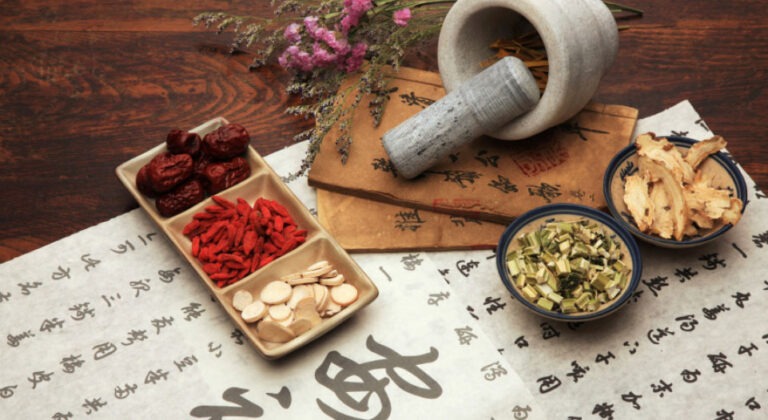
Attention Deficit Hyperactivity Disorder (ADHD) affects millions of people worldwide, impacting their ability to focus and control impulses. While conventional medications are commonly used, many seek alternative treatments for a more natural approach. Chinese herbal medicine for ADHD symptoms offers a holistic way to manage these challenges by addressing root imbalances in the body and mind.
Understanding ADHD
Traditional Chinese Medicine (TCM) views ADHD differently than Western medicine. Rather than seeing it as a standalone condition, TCM identifies it as an imbalance in the body’s energy systems, often linked to the liver, heart, and spleen. ADHD symptoms such as hyperactivity, inattention, and impulsivity may result from deficiencies or excesses in these systems.
For example, hyperactivity could be due to excess liver energy (liver yang rising), while poor focus may stem from a spleen deficiency. This perspective enables TCM practitioners to create personalized treatment plans using Chinese herbal medicine for ADHD symptoms, restoring harmony and balance.
Key Chinese Herbs for Managing ADHD Symptoms
Chinese herbal medicine relies on a variety of herbs to manage ADHD symptoms. These herbs target the root causes and alleviate specific symptoms like restlessness, lack of focus, and impulsivity.
- Ginkgo Biloba (Yin Xing):
Ginkgo Biloba is widely known for its ability to improve blood circulation in the brain. This herb enhances cognitive function and concentration, making it a valuable component of Chinese herbal medicine for ADHD symptoms. - American Ginseng (Xi Yang Shen):
American Ginseng is a calming herb that supports mental clarity and reduces hyperactivity. It nourishes the body’s Qi, helping to restore balance. - Bai Zhu (Atractylodes Root):
Bai Zhu strengthens the spleen and supports digestion, both of which are important in improving focus and reducing anxiety. - Long Gu (Dragon Bone) and Mu Li (Oyster Shell):
These natural substances calm the mind and help manage impulsivity. They are often included in herbal formulas for ADHD. - Xiao Yao San (Free and Easy Wanderer):
This herbal formula helps address liver Qi stagnation, which is often linked to emotional imbalances. It improves mood and promotes calmness.
How Chinese Herbal Medicine for ADHD Symptoms Work
Chinese herbal medicine for ADHD symptoms works on multiple levels. First, it helps calm the mind, reducing restlessness and hyperactivity. Next, it nourishes the organs responsible for focus and emotional regulation, such as the spleen and liver. Finally, it supports overall health, improving energy flow (Qi) and reducing stress.
For example, a child with ADHD who struggles to concentrate and frequently acts out might receive a blend of herbs that calm the liver, strengthen the spleen, and promote relaxation. This holistic approach ensures long-term improvements, not just short-term symptom relief.
Combining Chinese Herbal Medicine with Other TCM Practices
Chinese herbal medicine for ADHD symptoms is often combined with other TCM practices, such as acupuncture, dietary changes, and Qi Gong exercises. Acupuncture can help regulate the body’s energy flow, reducing hyperactivity and improving focus. Dietary adjustments, like avoiding processed foods and eating whole grains and vegetables, support the spleen and promote mental clarity.
Qi Gong, a form of meditative exercise, enhances relaxation and emotional control, complementing the effects of Chinese herbs. Together, these practices create a comprehensive treatment plan for managing ADHD symptoms naturally.
Benefits of Using Chinese Herbal Medicine
- Holistic Healing:
Chinese herbal medicine addresses the root causes of ADHD rather than just masking symptoms. - Fewer Side Effects:
Unlike some conventional medications, Chinese herbs are less likely to cause side effects when prescribed correctly. - Customizable Treatments:
TCM practitioners tailor herbal formulas to each individual’s unique needs, ensuring effective treatment. - Complementary Approach:
Chinese herbal medicine can be used alongside conventional ADHD treatments, enhancing their effectiveness. - Improved Emotional Well-being:
Many herbs in Chinese medicine promote calmness, reduce stress, and improve mood, which benefits those with ADHD.
The Role of Diet in TCM for ADHD
In TCM, diet plays a crucial role in managing ADHD symptoms. Foods that nourish the spleen, like cooked vegetables, whole grains, and lean proteins, are encouraged. Avoiding overly sweet, processed, or greasy foods is also essential, as these can disrupt energy flow and worsen symptoms.
For children and adults using Chinese herbal medicine for ADHD symptoms, a balanced diet supports the effectiveness of the herbs and promotes overall health.
Scientific Research on Chinese Herbal Medicine
Studies exploring the effectiveness of Chinese herbal medicine for ADHD symptoms are growing. Research suggests that herbs like Ginkgo Biloba and American Ginseng may improve cognitive function and reduce hyperactivity. While more studies are needed, initial findings indicate that these natural remedies hold promise for managing ADHD.
Consultation is Key
It’s important to consult a qualified TCM practitioner before starting any herbal treatment. Chinese herbal medicine for ADHD symptoms must be personalized, as the wrong combination of herbs can be ineffective or even harmful. A practitioner will assess your unique energy imbalances and prescribe a tailored herbal formula to meet your needs.
Final Thoughts
Chinese herbal medicine offers a natural, holistic alternative to conventional treatments. By addressing the root imbalances in the body, these remedies help calm the mind, improve focus, and promote emotional well-being. Combined with other TCM practices like acupuncture and dietary adjustments, Chinese herbal medicine can significantly improve the quality of life for individuals with ADHD.
If you or a loved one is struggling with ADHD, consider exploring the benefits of Chinese herbal medicine With its long history of success and focus on personalized care, it may be the key to unlocking better balance and focus naturally.
Disclaimer: Always consult a qualified healthcare professional or TCM practitioner before starting any new treatment.
Read Our Latest Blog
What Role Do Chinese Herbs Play in Anti-Aging?
Chinese Herbal Medicine for Cognitive Heal