
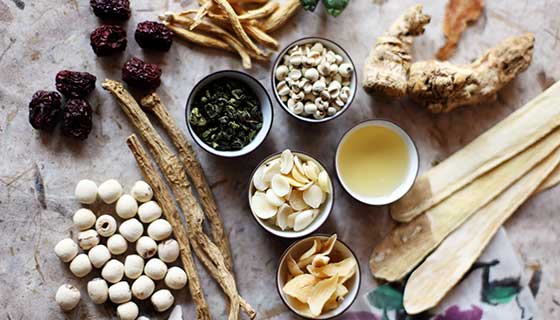
Chinese herbal medicine has gained global attention for its ability to address health conditions naturally. With centuries of history, this traditional practice integrates nature’s wisdom to promote balance in the body. The applications of Chinese herbal medicine are vast, from treating common colds to managing chronic diseases. Let’s explore how this ancient art is used in real-life scenarios and its growing relevance in modern healthcare.
Understanding Chinese Herbal Medicine
Chinese herbal medicine is rooted in Traditional Chinese Medicine (TCM). It views the body as a whole, emphasizing the balance of Yin and Yang. TCM practitioners often prescribe herbal formulas tailored to individual needs. These formulas usually contain a combination of herbs, each playing a specific role in achieving harmony. The holistic nature of these remedies is a key factor in their effectiveness.
Common Applications of Chinese Herbal Medicine
1. Managing Stress and Anxiety
Stress and anxiety are widespread in today’s fast-paced world. Herbs like ginseng, ashwagandha, and licorice root are popular in TCM. These herbs work by calming the nervous system and restoring inner peace. The applications of Chinese herbal medicine in mental health also include improving sleep quality and enhancing emotional well-being.
2. Boosting Immunity
With seasonal changes, immune health becomes a concern. TCM offers powerful herbs like astragalus and reishi mushrooms. These herbs strengthen the immune system, reducing the risk of illnesses. Regular use can help prevent recurring colds and flu, showcasing the practical applications of Chinese herbal medicine.
3. Supporting Digestive Health
Digestive issues, such as bloating or indigestion, can affect daily life. Chinese herbs like ginger, cinnamon, and hawthorn berry aid in improving gut health. They help regulate digestion and alleviate discomfort. This real-world application highlights the versatility of TCM in promoting overall wellness.
Chinese Herbal Medicine for Chronic Conditions
One of the remarkable applications of Chinese herbal medicine is its role in managing chronic conditions.
1. Diabetes Management
TCM herbs like bitter melon and Chinese yam are known for their blood sugar-regulating properties. They improve insulin sensitivity and reduce sugar spikes. Unlike synthetic drugs, these herbs offer a natural approach to managing diabetes.
2. Pain Relief
Chronic pain, especially in conditions like arthritis, finds relief in Chinese herbal remedies. Herbs such as turmeric and frankincense reduce inflammation and improve joint mobility. These natural solutions often have fewer side effects compared to pharmaceuticals.
3. Skin Disorders
Skin conditions like eczema and acne respond well to herbal treatments. Herbs like honeysuckle and dandelion detoxify the body and improve skin health. The external and internal applications of Chinese herbal medicine ensure a comprehensive approach to skin care.
Women’s Health and Chinese Herbal Medicine
Women face unique health challenges, from hormonal imbalances to menopause symptoms. TCM offers solutions tailored to these needs.
1. Menstrual Health
Herbs like dong quai and red peony help regulate menstrual cycles and ease cramps. They are commonly used to address PMS symptoms. This shows the targeted applications of Chinese herbal medicine in women’s reproductive health.
2. Fertility Support
For women trying to conceive, TCM herbs can enhance fertility. Herbs such as goji berries and Chinese angelica root improve uterine health and boost energy levels. Their natural properties make them a preferred choice for many couples.
3. Menopause Relief
Menopause brings challenges like hot flashes and mood swings. Chinese herbal medicine offers cooling herbs like black cohosh and rehmannia to balance hormones. These remedies provide holistic care for aging women.
Modern Use Cases
The applications of Chinese herbal medicine have expanded into modern healthcare systems.
1. Cancer Support
Herbal medicine is increasingly used alongside chemotherapy. Herbs like astragalus and ganoderma support immune function during cancer treatments. They reduce side effects and improve quality of life.
2. Post-Surgery Recovery
TCM herbs accelerate recovery after surgeries. They reduce inflammation, promote tissue healing, and strengthen the body. For instance, Panax ginseng is often recommended post-surgery.
3. Weight Management
Obesity and weight management benefit from TCM herbs like lotus leaf and green tea. These herbs enhance metabolism and assist in maintaining a healthy weight.
How to Safely Use Chinese Herbal Medicine
While the applications of Chinese herbal medicine are promising, safety is essential. Here are some tips:
- Consult a Practitioner: Always seek advice from a certified TCM practitioner.
- Choose Quality Products: Use herbs from reputable sources to ensure safety.
- Monitor Reactions: Pay attention to your body and discontinue use if side effects occur.
By following these guidelines, you can maximize the benefits of herbal medicine without unnecessary risks.
The Future of Chinese Herbal Medicine
As interest in natural health grows, the applications of Chinese herbal medicine are gaining recognition worldwide. Research continues to validate the efficacy of these remedies. Moreover, modern technology is making TCM more accessible through online consultations and herbal supplements.
Governments and health organizations are also showing interest. Efforts are being made to integrate TCM into mainstream healthcare systems. This shift indicates a promising future for Chinese herbal medicine.
Conclusion
The applications of Chinese herbal medicine offer a natural, holistic way to improve health and well-being. From managing everyday ailments to addressing chronic conditions, its versatility is unmatched. By incorporating these time-tested remedies into our lives, we can unlock the potential of nature’s pharmacy.
If you’re curious about exploring TCM, start with small steps and consult a qualified practitioner. The journey toward better health begins with informed choices, and Chinese herbal medicine is a path worth considering.
Read our latest blog
Who Can Benefit from Chinese Herbal Medicine?
Chinese Herbal Medicine School: A Path to Healing and Knowledge