
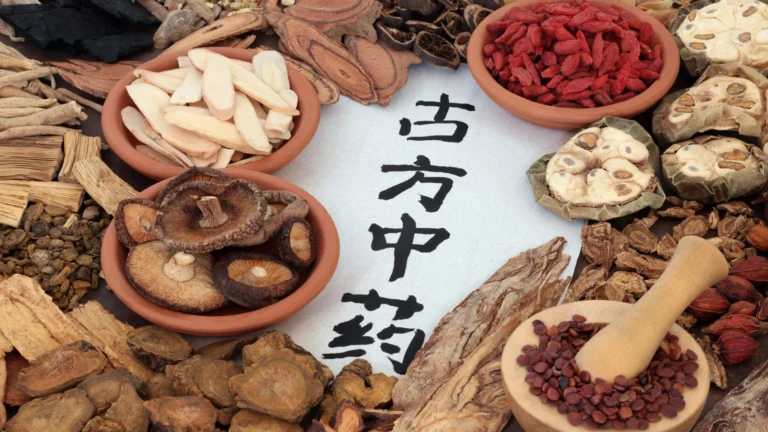
How to Use Chinese Herbal Medicine for Cold and Flu Prevention
As the seasons change, many people worry about catching a cold or flu. Fortunately, Chinese herbal medicine offers effective strategies for prevention. This ancient practice emphasizes balance and harmony in the body, making it a valuable resource for boosting immunity. In this blog, we will explore how to use Chinese herbal medicine for cold and flu prevention, discuss key herbs, and provide practical tips for incorporating them into your daily routine.
Understanding the Basics of Cold and Flu in Chinese Medicine
In Chinese herbal medicine, colds and flu are often viewed through the lens of energy imbalances. The body has two main energies: Wei Qi (defensive Qi) and Ying Qi (nutritive Qi). Wei Qi protects against external pathogens like viruses. When Wei Qi is weak, the body is more susceptible to illness. Thus, strengthening Wei Qi through Chinese herbal medicine is essential for cold and flu prevention.
Key Herbs for Cold and Flu Prevention
Several herbs are particularly effective in strengthening Wei Qi. Here are some key herbs used in Chinese herbal medicine for cold and flu prevention:
- Ginger (Sheng Jiang): This warming herb is well-known for its ability to promote circulation and stimulate the immune system. Ginger can help alleviate symptoms of early-stage colds, such as chills and nausea, making it a staple in Chinese herbal medicine.
- Garlic (Da Suan): Garlic is famous for its immune-boosting properties. It has antibacterial and antiviral effects, making it a powerful ally against colds and flu. Incorporating garlic into meals can help fortify your defenses using Chinese herbal medicine.
- Astragalus Root (Huang Qi): This herb is often used in Chinese herbal medicine to enhance immune function. Astragalus helps to build Wei Qi and is especially useful for preventing illness during cold months.
- Goji Berries (Gou Qi Zi): Rich in antioxidants, goji berries are excellent for boosting overall health. They support the immune system and can be easily added to teas, soups, or snacks as part of Chinese herbal medicine.
- Elderberry (Sambucus): Elderberry is known for its antiviral properties. It is commonly used in Chinese herbal medicine to prevent and treat colds and flu. Elderberry syrup is a tasty way to incorporate this powerful herb.
Preparing Herbal Remedies for Cold and Flu Prevention
Now that you know the key herbs, let’s discuss how to prepare them using Chinese herbal medicine. Here are some simple methods to incorporate these herbs into your daily routine:
Herbal Teas
Making herbal teas is one of the easiest ways to use these herbs. For example, you can brew a tea with ginger and garlic. Simply slice fresh ginger and crush a few cloves of garlic. Boil them in water for about 10-15 minutes. Strain the mixture and enjoy! This method highlights how Chinese herbal medicine can be delicious and beneficial.
Herbal Soups
Incorporating herbs into soups is another delicious option. A simple chicken soup can be enhanced with astragalus and goji berries. Add them to the pot along with your other ingredients. This not only makes the soup nutritious but also helps boost immunity with Chinese herbal medicine.
Smoothies
You can also add goji berries to your morning smoothie. Blend them with fruits like bananas and spinach for a nutrient-packed drink. This is an easy way to incorporate Chinese herbal medicine into your family’s diet.
Tinctures and Extracts
If you prefer a more concentrated form, consider using herbal tinctures or extracts. These are available in health stores and can be taken according to the package instructions. Elderberry extract is a popular choice for cold and flu prevention, demonstrating the versatility of Chinese herbal medicine.
Building a Daily Routine with Chinese Herbal Medicine
To maximize the benefits of Chinese herbal medicine, it’s essential to build a daily routine. Here are some tips for incorporating these herbs into your life:
Start Your Day with Herbal Tea
Begin each day with a cup of ginger tea. This warming beverage can kickstart your metabolism and strengthen Wei Qi. It’s a simple yet effective way to promote immunity using Chinese herbal medicine.
Add Herbs to Your Meals
Make it a habit to include garlic and other immune-boosting herbs in your cooking. For instance, you can sauté garlic with vegetables or add it to marinades. This not only enhances flavor but also supports your health through Chinese herbal medicine.
Snack on Goji Berries
Keep goji berries on hand for healthy snacking. They can be enjoyed raw, added to trail mix, or sprinkled on yogurt. Their antioxidant properties make them a great addition to your diet through Chinese herbal medicine.
Use Elderberry Syrup
Consider keeping elderberry syrup in your home. It’s easy to take and can be added to beverages or taken directly. Using it regularly during cold and flu season can help bolster your immune defenses with Chinese herbal medicine.
Recognizing Symptoms Early
While prevention is key, it’s also important to recognize symptoms early. If you start feeling unwell, act quickly. For instance, if you notice a scratchy throat or a runny nose, consider drinking ginger tea immediately. This can help mitigate symptoms before they worsen, showcasing the effectiveness of Chinese herbal medicine.
Lifestyle Factors for Cold and Flu Prevention
In addition to using Chinese herbal medicine, consider other lifestyle factors that support immunity:
- Stay Hydrated: Drinking plenty of water is essential for overall health. Hydration helps your body function optimally and can assist in flushing out toxins, complementing Chinese herbal medicine practices.
- Get Enough Sleep: Sleep is crucial for immune function. Aim for 7-9 hours of quality sleep each night to support your body’s defenses and enhance the effects of Chinese herbal medicine.
- Manage Stress: Chronic stress can weaken the immune system. Incorporate stress-reducing practices like meditation, yoga, or deep breathing exercises into your routine. These can work hand-in-hand with Chinese herbal medicine.
- Exercise Regularly: Physical activity boosts circulation and strengthens the immune system. Aim for at least 30 minutes of moderate exercise most days of the week, enhancing the benefits of Chinese herbal medicine.
Consulting a Practitioner of Chinese Herbal Medicine
While many herbs are safe for general use, it’s wise to consult a qualified practitioner of Chinese herbal medicine for personalized advice. They can assess your individual needs and recommend specific herbs or formulas tailored to your health status.
Conclusion: Embracing Chinese Herbal Medicine for Cold and Flu Prevention
Incorporating Chinese herbal medicine for cold and flu prevention can be a proactive way to enhance your family’s health. By using key herbs like ginger, garlic, and astragalus, you can strengthen your immune system and promote overall wellness.
Building a daily routine that includes herbal teas, soups, and other remedies can make a significant difference. Additionally, combining these practices with a healthy lifestyle will further bolster your defenses against colds and flu.
So why not start today? Embrace the wisdom of Chinese herbal medicine and take steps to protect your family’s health this cold season. Your body will thank you!
Read our latest blog
How to Incorporate Chinese Herbal Medicine into Family Wellness
What Is the Role of Shen in Chinese Herbal Medicine?
Exploring the Role of Chinese Herbal Medicine in Detoxification