
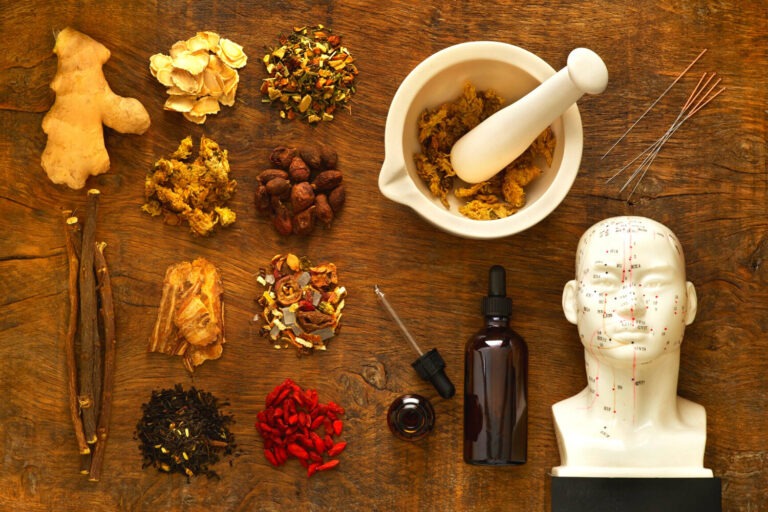
Chinese herbal medicine has been used for thousands of years, combining ancient wisdom with modern scientific research. Today, we explore the scientific evidence supporting this holistic approach.
What Is Chinese Herbal Medicine?
Chinese herbal medicine is a key component of Traditional Chinese Medicine (TCM). It focuses on balancing the body’s energy, or Qi. TCM practitioners often prescribe herbal formulas tailored to individual needs.
The Role of Herbal Formulas
Herbal formulas typically contain multiple ingredients. This synergy enhances the effects of each herb while reducing side effects. For example, the formula Sheng Mai San combines ginseng, ophiopogon, and schisandra to support heart health.
Scientific Studies and Findings
Recent research highlights the effectiveness of several Chinese herbs. For instance, studies show that ginseng can improve energy levels and reduce fatigue. Similarly, ginger has been found to alleviate nausea and digestive issues.
Another notable herb is astragalus. Research suggests it may boost the immune system and help fight infections. Additionally, curcumin, found in turmeric, shows anti-inflammatory properties that can benefit overall health.
Mechanisms of Action
The scientific community has begun to understand how these herbs work. Many active compounds in Chinese herbs have been isolated and studied. For example, flavonoids in ginkgo biloba improve blood circulation by dilating blood vessels.
Moreover, polysaccharides in goji berries support immune function. They stimulate immune cells, enhancing the body’s natural defenses. This scientific insight supports traditional claims of these herbs’ health benefits.
Integrating TCM with Western Medicine
As more research validates the efficacy of Chinese herbs medicine, healthcare practitioners increasingly integrate TCM with Western medicine. This collaboration can provide comprehensive care for patients.
For example, using herbal remedies alongside conventional treatments can improve outcomes for chronic diseases. However, it’s crucial to consult healthcare professionals before combining therapies.
Safety and Considerations
While many Chinese herbs are safe, quality and sourcing are essential. Not all herbal products are created equal. Thus, look for reputable suppliers that provide transparency about their sourcing and manufacturing processes.
Additionally, some herbs can interact with medications. Therefore, always inform your healthcare provider about any herbal supplements you are taking. This precaution ensures safe and effective treatment.
Conclusion
Chinese herbs medicine is backed by a growing body of scientific research. This field shows promising results for various health conditions. As more studies emerge, we can expect to see greater acceptance of Chinese herbs in modern healthcare.
By understanding the science behind these remedies, patients can make informed decisions about their health. Ultimately, the combination of traditional wisdom and modern science offers a holistic approach to wellness.
Read latest Blog
Top Chinese Herbs for Preventing Common Ailments.