
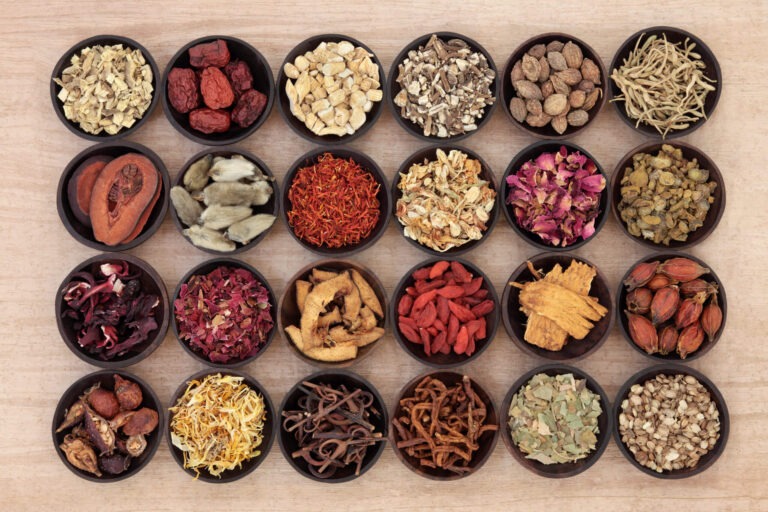
In the world of Traditional Chinese Medicine (TCM), both single herbs vs. herbal formulas in TCM play important roles. Understanding the differences can help you make informed choices about your health. Let’s explore the definitions, benefits, and uses of both single herbs and herbal formulas.
What Are Single Herbs?
Single herbs are individual plants used for specific health benefits. Each herb has unique properties. For example, ginseng is known for boosting energy and enhancing vitality.
Benefits of Single Herbs
- Targeted Effects: Single herbs provide precise treatment for specific concerns. For instance, peppermint helps relieve digestive discomfort.
- Simplicity: They are easy to use and require minimal preparation. This makes them great for those new to herbal remedies.
- Quick Action: Single herbs can provide immediate relief for acute conditions, like using ginger for nausea.
Limitations of Single Herbs
However, there are some downsides:
- Limited Scope: Single herbs may not address complex health issues effectively.
- Variability: Their effects can vary based on dosage and individual response.
What Are Herbal Formulas?
In contrast, herbal formulas combine multiple herbs to create a synergistic effect. These blends are designed to tackle complex health conditions.
Benefits of Herbal Formulas
- Holistic Approach: Herbal formulas treat underlying issues rather than just symptoms. This is a core principle of TCM.
- Synergistic Effects: The combination of herbs can enhance overall effectiveness. For example, a formula for respiratory health might include herbs that clear phlegm and strengthen immunity.
- Customization: Herbal formulas can be tailored to individual needs. Practitioners adjust components based on unique symptoms.
Limitations of Herbal Formulas
Despite their benefits, there are challenges:
- Complexity: Herbal formulas can be intricate, needing guidance from a qualified practitioner.
- Preparation Time: Creating formulas can take longer than using single herbs, which may not suit everyone.
Which Should You Choose?
So, how do you decide? It often depends on your health goals:
- For Specific Issues: If you have a targeted health concern, start with a single herb. For example, chamomile can help with insomnia, while milk thistle supports liver health.
- For Comprehensive Health: If you want to address multiple symptoms, consider an herbal formula. Formulas like Gui Pi Tang (Restore the Spleen Decoction) improve energy and support emotional balance.
Conclusion
In Traditional Chinese Medicine (TCM), both single herbs vs. herbal formulas in TCM are valuable. Single herbs provide targeted relief, while herbal formulas offer a holistic approach to complex issues.
Understanding these differences allows you to make informed health choices. Always consult a qualified TCM practitioner for personalized recommendations. By leveraging both single herbs and herbal formulas, you can enhance your wellness journey and achieve better health outcomes.
Read our latest blog