
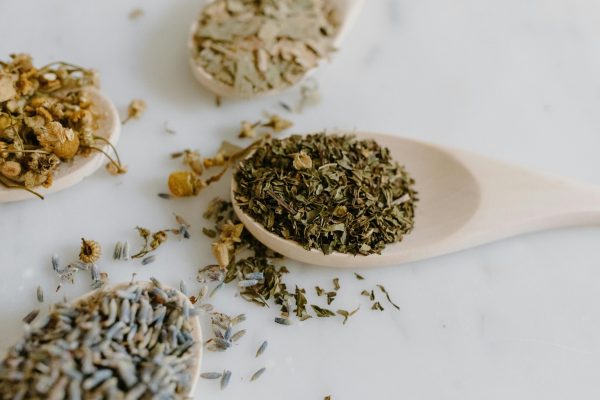
Chinese herbal medicine has been a cornerstone of traditional Chinese medicine (TCM) for centuries, offering a holistic approach to health and wellness. With the increasing global demand for TCM, the need for robust quality control measures has never been more pressing. Quality control is crucial in Chinese herbal medicine to ensure the safety, efficacy, and consistency of herbal products. In this article, we will delve into the importance of quality control, regulatory frameworks, authentication methods, and best practices to maintain the integrity of Chinese herbal medicine.
Why Quality Control Matters
Quality control is essential in Chinese herbal medicine for several reasons:
-
Ensures Safety: Prevents contamination, adulteration, and incorrect identification of herbal materials, which can lead to serious health consequences.
-
Ensures Efficacy: Guarantees consistent quality and potency of herbal products, ensuring that patients receive the intended therapeutic benefits.
-
Maintains Trust: Builds confidence in TCM among consumers, practitioners, and regulators, fostering a positive reputation for the industry.
Regulatory Frameworks
Several regulatory frameworks govern the quality control of Chinese herbal medicine:
-
China: Good Manufacturing Practice (GMP) guidelines for TCM, enforced by the China Food and Drug Administration (CFDA).
-
US: FDA regulations for dietary supplements, including TCM products, under the Dietary Supplement Health and Education Act (DSHEA).
-
EU: European Medicines Agency (EMA) guidelines for traditional herbal medicinal products, outlining quality, safety, and efficacy requirements.
Authentication and Identification
Authentication and identification of herbal materials are critical components of quality control:
-
Macroscopic and Microscopic Examination: Visual inspection of herbal materials to verify identity and quality.
-
Chemical Analysis: Techniques such as High-Performance Liquid Chromatography (HPLC) and Gas Chromatography-Mass Spectrometry (GC-MS) to detect chemical markers.
-
DNA Sequencing: Molecular identification of herbal materials to prevent substitution or adulteration.
Contamination and Adulteration Risks
Chinese herbal medicine is vulnerable to contamination and adulteration risks:
-
Heavy Metals: Mercury, lead, and arsenic can contaminate herbal materials.
-
Pesticides: Residual pesticides can persist in herbal materials.
-
Incorrect Identification: Herbal materials may be misidentified or substituted.
-
Intentional Adulteration: Synthetic or other substances may be added to enhance efficacy or reduce costs.
Best Practices for Quality Control
To ensure quality control, manufacturers and practitioners should:
-
Implement GMP Guidelines: Adhere to GMP principles for manufacturing, storage, and distribution.
-
Conduct Regular Testing and Inspection: Verify identity, quality, and purity of herbal materials.
-
Train Personnel: Educate staff on quality control procedures and importance.
-
Source High-Quality Herbal Materials: Collaborate with reputable suppliers.
-
Collaborate with Regulatory Authorities: Engage with regulatory bodies to ensure compliance.
Conclusion
Quality control is essential in Chinese herbal medicine to ensure the safety, efficacy, and consistency of herbal products. By understanding the importance of quality control and implementing best practices, the TCM industry can maintain trust and confidence among consumers, practitioners, and regulators.
Future Directions
The future of Chinese herbal medicine depends on:
-
Harmonization of Regulatory Frameworks: International cooperation to establish consistent quality control standards.
-
Advancements in Authentication Technology: Improved methods for identifying herbal materials.
-
Industry-Wide Adoption of Quality Control Measures: Commitment to quality control across the TCM industry.
Read Our Latest Blog
The Power of Turmeric in Traditional Chinese Medicine