
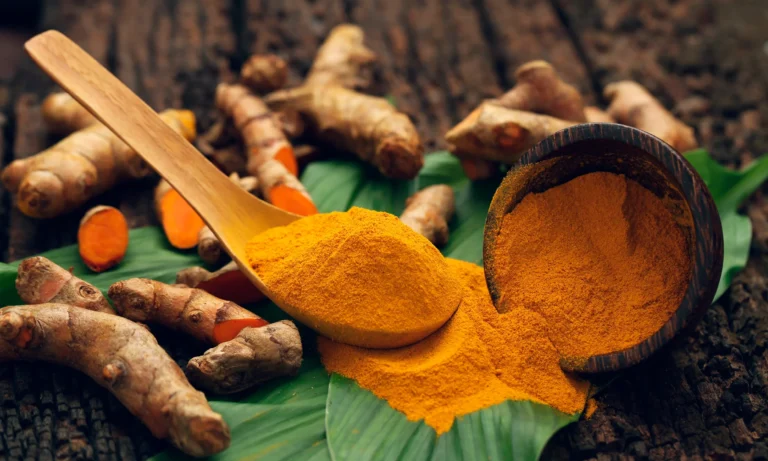
Turmeric, the sunshine-yellow spice, has been a trusted ally in Traditional Chinese Medicine (TCM) for centuries. This ancient wisdom harnesses Turmeric’s power to balance the body’s energy, or “qi,” and nurture overall well-being. Let’s dive into the wonderful world of Turmeric in TCM and discover its secrets for natural healing.
Turmeric’s Role in TCM: A Balancing Act
In TCM, Turmeric is valued for its warming, drying properties, making it a go-to remedy for dispelling dampness and cold. It’s used to soothe a range of ailments, from joint pain and digestive issues to skin conditions and respiratory problems. By balancing the body’s energy, Turmeric helps restore harmony to the body’s systems.
The Magic of Curcumin: Nature’s Anti-Inflammatory
Turmeric’s active compound, Curcumin, is a potent anti-inflammatory agent, rivaling pharmaceuticals without the side effects. By reducing inflammation, Turmeric helps ease symptoms of arthritis, gout, and other inflammatory diseases. Its anti-inflammatory magic also extends to allergies, asthma, and skin conditions like psoriasis and eczema.
Turmeric’s Holistic Health Benefits
Turmeric’s goodness extends beyond physical health, nurturing mental clarity, emotional balance, and spiritual growth. In TCM, Turmeric is believed to:
-
Nourish the heart and spleen, fostering a sense of calm and well-being
-
Enhance cognitive function and memory
-
Support immune function and overall vitality
Bringing Turmeric into Your Life
-
Golden Milk: Mix Turmeric with warm milk and honey for a soothing, anti-inflammatory drink.
-
Cooking: Add Turmeric to your favorite dishes for an extra boost of nutrition.
-
Supplements: Consult with a TCM practitioner or healthcare professional for guidance on Turmeric supplements.
-
Topical Applications: Use Turmeric paste or oil for skin conditions, wounds, and pain relief.
Turmeric’s Ancient Roots
Turmeric’s journey in Traditional Chinese Medicine spans centuries, with records of its use dating back to the Han Dynasty (206 BCE – 220 CE). This revered spice was highly valued for its medicinal properties, used to treat a range of ailments, from indigestion to skin conditions.
The Science Behind Turmeric’s Magic
Turmeric’s active compound, Curcumin, is a polyphenol with potent anti-inflammatory and antioxidant properties. Curcumin’s molecular structure allows it to interact with various biological pathways, reducing inflammation and promoting healing.
Turmeric’s Energetic Properties
In TCM, Turmeric is classified as a warming, drying herb, making it an ideal remedy for dispelling dampness and cold. Its energetic properties help balance the body’s qi, restoring harmony to the body’s systems.
Turmeric’s Organ Affinities
Turmeric is believed to nourish the heart and spleen, fostering a sense of calm and well-being. Its affinity for the spleen also makes it an effective remedy for digestive issues.
Turmeric’s Modern Applications
Turmeric’s benefits extend beyond traditional medicine. Modern research highlights its potential in:
-
Cancer prevention and treatment
-
Neuroprotection and cognitive function
-
Cardiovascular health and cholesterol management
Incorporating Turmeric into Your Daily Life
-
Golden Milk: Mix Turmeric with warm milk and honey for a soothing, anti-inflammatory drink.
-
Cooking: Add Turmeric to your favorite dishes for an extra boost of nutrition.
-
Supplements: Consult with a TCM practitioner or healthcare professional for guidance on Turmeric supplements.
-
Topical Applications: Use Turmeric paste or oil for skin conditions, wounds, and pain relief.
Remember
While Turmeric is generally safe, it’s essential to consult with a healthcare professional before using it, especially if you have underlying conditions or take medications.
Embracing Turmeric’s Golden Goodness
Turmeric in Traditional Chinese Medicine holds the key to unlocking its profound benefits, as its power lies in its ability to balance, nurture, and harmonize the body’s energy, allowing you to embrace this golden elixir and unlock its secrets for a balanced, vibrant life.
Read Our Latest Blog.