
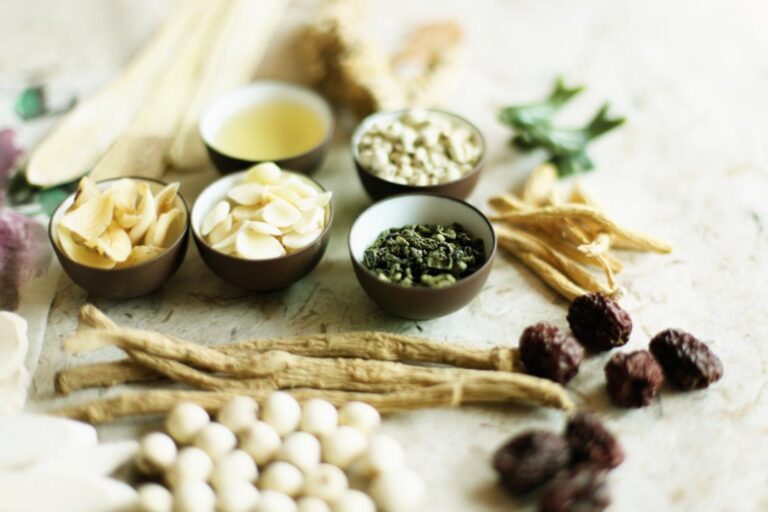
Introduction
A natural immune response, can become a harmful chronic condition, leading to ailments like arthritis, diabetes, and cardiovascular disease. While conventional treatments exist, traditional Chinese medicine offers a comprehensive approach to mitigating inflammation. For centuries, Chinese herbs have been utilized to foster well-being, and their natural ability to reduce inflammation makes them a valuable adjunct to modern healthcare, providing a gentle yet effective way to promote overall health and prevent disease.
The Science Behind Chinese Herbs
Chinese herbs contain bioactive compounds that interact with the body’s natural inflammatory response, reducing inflammation and promoting healing. These compounds include:
-
Flavonoids: Found in herbs like turmeric and ginger, flavonoids have potent anti-inflammatory effects.
-
Alkaloids: Present in herbs like licorice root and boswellia, alkaloids reduce inflammation and improve immune function.
-
Glycosides: Found in herbs like ashwagandha, glycosides reduce stress and anxiety-related inflammation.
Top Chinese Herbs for Inflammation Reduction
-
Turmeric (Jiang Huang)
Turmeric contains curcumin, a powerful anti-inflammatory compound that reduces joint pain and inflammation.
-
Ginger (Gan Jiang)
Ginger has anti-inflammatory properties that reduce pain and inflammation, making it an effective remedy for arthritis and muscle soreness.
-
Licorice Root (Glycyrrhizae)
Licorice root soothes digestive issues and reduces inflammation, making it an effective treatment for ulcers and digestive disorders.
-
Boswellia (Ru Xiang)
Boswellia reduces inflammation and improves joint health, making it an effective remedy for arthritis and chronic pain.
-
Ashwagandha (Wu Jia Shen)
Ashwagandha reduces stress and anxiety-related inflammation, promoting overall well-being and relaxation.
Incorporating Chinese Herbs into Your Health Routine
Chinese herbs can be consumed in various ways:
-
Teas: Steep dried herbs in hot water to make a soothing tea.
-
Capsules: Take herbal supplements in capsule form.
-
Food: Add herbs to your meals for added flavor and nutrition.
-
Topical Applications: Apply herbal creams or ointments directly to affected areas.
Precautions and Contraindications
-
Consult with a healthcare professional before using Chinese herbs, especially if you have underlying medical conditions or take medications.
-
Start with small doses and gradually increase as needed.
-
Monitor your body’s response and adjust your herbal regimen accordingly.
Anti-Inflammatory Effects of Chinese Herbs.
The Anti-Inflammatory Effects of Chinese Herbs have been a cornerstone of traditional Chinese medicine for centuries, offering a natural and holistic approach to reducing inflammation and promoting overall health. These herbs, carefully selected for their unique bioactive compounds, work synergistically to target the root causes of inflammation, providing relief from chronic pain, improving immune function, and enhancing well-being. From the potent anti-inflammatory properties of Turmeric and Ginger to the soothing effects of Licorice Root and Boswellia, Chinese herbs provide a powerful arsenal against inflammation, making them an attractive complement to modern healthcare.
Conclusion
Chinese herbs, renowned for their Anti-Inflammatory Effects, offer a natural and effective way to reduce inflammation and promote overall health. By understanding the science behind their potency and incorporating them into our health routines, we can unlock their full potential and improve our well-being, harnessing the Anti-Inflammatory Effects of Chinese Herbs to enhance our quality of life. Remember to consult with a healthcare professional before starting any new herbal regimen.
visit :Oriental Natural Herbal
Read Our Latest Blog: