
Introduction
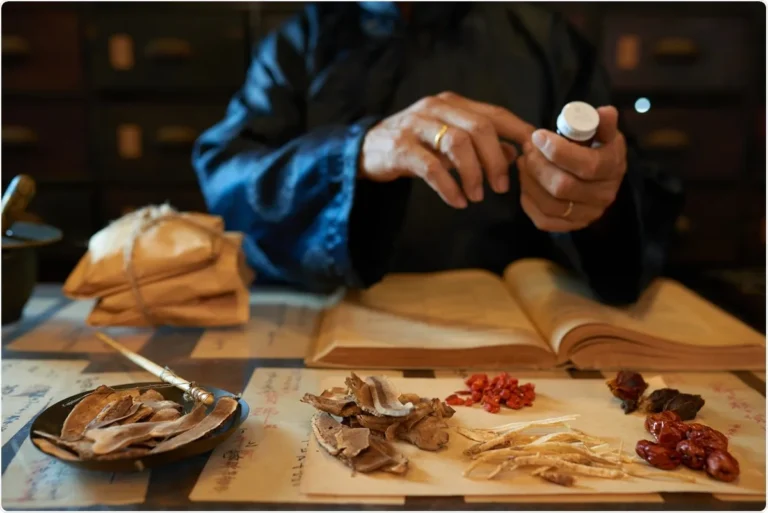
Seasonal allergies can be a significant challenge, leading to uncomfortable symptoms such as sneezing, itching, and congestion. Fortunately, Chinese herbs offer a natural and effective solution to alleviate these symptoms by addressing the underlying imbalances in the body and boosting its defenses.
In this blog, we will explore how Chinese herbs can play a crucial role in managing seasonal allergies and enhancing your overall health.
Understanding Seasonal Allergies
Seasonal allergies, often triggered by pollen, dust, or mold, occur when the immune system overreacts to normally harmless substances.
This overreaction leads to inflammation and discomfort in the respiratory system, resulting in symptoms like sneezing, nasal congestion, and itchy eyes. Traditional treatments often focus on symptom relief, but Chinese herbal medicine aims to address the root causes of these allergic reactions.
How Chinese Herbs Help with Seasonal Allergies
- Balancing the Immune System:Herbs are designed to restore balance to the body’s energy, or “Qi,” which can help strengthen the immune system. By enhancing the body’s natural defenses, these herbs can reduce the severity of allergic reactions and improve overall health.
- Reducing Inflammation: Certain Chinese herbs possess anti-inflammatory properties that help alleviate the inflammation caused by seasonal allergens. Herbs like Huang Qi (Astragalus) and Gan Cao (Licorice Root) are known for their ability to modulate inflammatory responses and support respiratory health.
- Supporting Respiratory Health: Chinese herbs such as Xing Ren (Apricot Kernel) and Bai Zhi (Angelica Root) specifically target respiratory issues. They help to clear nasal congestion, reduce coughing, and soothe irritated airways, providing relief from allergy symptoms.
- Enhancing Detoxification: Chinese medicine often emphasizes the importance of detoxifying the body to maintain overall health. Herbs like Da Zao (Jujube) and Sheng Di Huang (Raw Rehmannia) support the body’s detoxification processes, helping to eliminate toxins that may exacerbate allergic reactions.
Incorporating Chinese Herbs into Your Routine
To effectively manage seasonal allergies with Chinese herbs, consult a qualified Traditional Chinese Medicine (TCM) practitioner. They can assess your individual needs and recommend a personalized herbal regimen tailored to your specific symptoms and overall health.
These herbs can be used in various forms, including teas, tinctures, or capsules, depending on your preference and the advice of your TCM practitioner. By integrating Chinese herbs into your routine, you can enjoy a more comfortable and symptom-free allergy season.
Conclusion
Incorporating Chinese herbs into your allergy management plan offers a holistic approach to alleviating seasonal allergies. By addressing the root causes of allergic reactions and supporting overall health, these herbs provide a natural alternative to conventional treatments. Embrace the power of Chinese herbal medicine and experience relief from seasonal allergies while enhancing your overall well-being.
Read our blog:Enhancing Skin Health with Traditional Chinese Medicine