
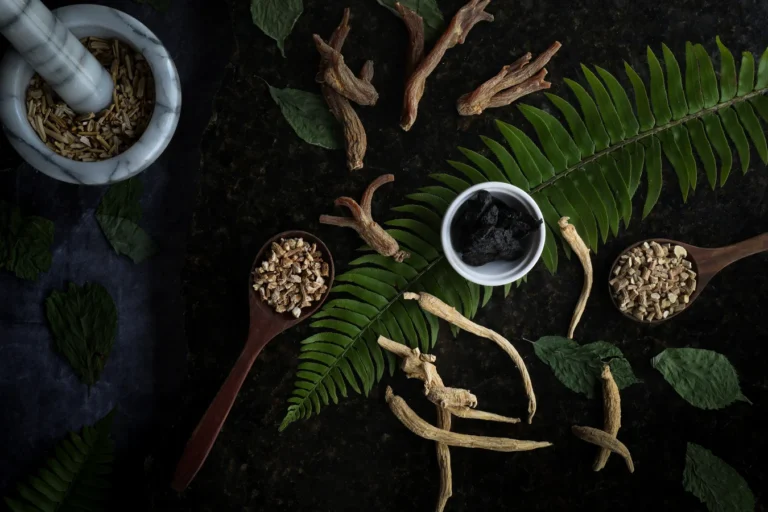
Chinese herbal medicine has a rich history, deeply rooted in ancient traditions. These natural remedies have been an essential part of winter wellness for thousands of years. “The History of Chinese Herbal Use in Winter” offers insights into how these herbs support health during the coldest months. This blog will explore their origins, benefits, and modern applications.
Ancient Beginnings of Chinese Herbal Medicine
The history of Chinese herbal use in winter dates back to the era of the Yellow Emperor’s Classic of Medicine. This ancient text, written over 2,000 years ago, laid the foundation for Traditional Chinese Medicine (TCM). Winter was seen as a season of conservation, requiring special attention to preserve energy and health.
During this time, herbalists began identifying specific plants that could help the body adapt to cold weather. Herbs like ginseng, astragalus, and cinnamon bark became staples for their warming and immunity-boosting properties. These herbs were often prescribed to balance the body’s yin and yang energies, ensuring harmony during winter.
Key Principles of Winter Herbal Use
The history of Chinese herbal use in winter revolves around two core principles:
- Warming the Body: Winter’s cold demands warmth to maintain balance. Herbs like ginger and cinnamon are widely used for this purpose.
- Strengthening Immunity: The immune system becomes vulnerable during colder months. Astragalus and reishi mushroom are used to fortify it.
These principles guided ancient herbalists in formulating remedies that are still relevant today.
Popular Herbs Used in Winter
1. Ginseng
Ginseng, known for its adaptogenic properties, has been a cornerstone of winter herbal remedies. It helps combat fatigue, boosts energy, and supports overall well-being. Ancient texts frequently mention ginseng as an essential herb for winter vitality.
2. Astragalus Root
Astragalus root strengthens the immune system and protects against common winter ailments like colds and flu. This herb has a long-standing history in Chinese medicine.
3. Cinnamon Bark
Cinnamon bark, another warming herb, enhances circulation and provides relief from chills. Its spicy-sweet flavor makes it a favorite in winter teas.
4. Ginger
Ginger has been used for centuries to alleviate nausea, improve digestion, and warm the body. It’s a versatile herb that complements many winter recipes.
5. Reishi Mushroom
Reishi, known as the “mushroom of immortality,” supports immunity and reduces stress. It’s a vital herb in TCM for winter wellness.
Herbal Preparations Through the Ages
The history of Chinese herbal use in winter includes various preparation methods. Ancient herbalists used teas, soups, and tonics to deliver the healing properties of herbs. Let’s explore these preparations:
Herbal Teas
Teas were the simplest way to consume herbs. Ingredients like ginger, cinnamon, and goji berries were steeped to create warming drinks.
Medicinal Soups
Herbal soups combined nutrition with healing. Ingredients such as astragalus root and shiitake mushrooms added flavor and therapeutic benefits.
Herbal Wines
Fermenting herbs in wine was another common practice. This method enhanced the potency of the herbs and added warmth.
The Role of Chinese Philosophy in Winter Herbal Medicine
Chinese philosophy plays a significant role in the history of Chinese herbal use in winter. According to TCM, winter corresponds to the element of water and the kidneys. Herbs that nourish kidney energy, like black sesame seeds and rehmannia, are particularly beneficial during this season.
Additionally, TCM emphasizes living in harmony with nature. Consuming warming herbs and seasonal foods aligns the body with winter’s rhythm. This approach not only prevents illness but also promotes long-term health.
Modern Applications of Winter Herbal Remedies
While the history of Chinese herbal use in winter is ancient, its principles remain relevant today. Modern lifestyles have adapted these remedies for convenience without losing their essence. Here’s how:
Herbal Supplements
Capsules and tinctures make it easy to incorporate traditional herbs into daily routines. Brands often blend classic herbs like ginseng and astragalus for winter immunity.
Herbal Teas
Ready-to-brew tea blends are widely available. These teas combine traditional herbs like cinnamon and ginger for warming effects.
Aromatherapy
Essential oils derived from traditional herbs, such as cinnamon and eucalyptus, are used for winter wellness. They offer respiratory support and relaxation.
The Science Behind Winter Herbal Remedies
Scientific studies continue to validate the benefits described in the history of Chinese herbal use in winter. For instance:
- Ginseng has been shown to improve energy levels and immune function.
- Astragalus is known to enhance white blood cell activity.
- Reishi supports the body’s stress response and immune health.
These findings bridge the gap between ancient knowledge and modern science.
How to Incorporate Winter Herbs Into Your Life
You don’t have to be a TCM expert to benefit from the history of Chinese herbal use in winter. Here are simple ways to start:
- Drink Herbal Teas: Choose teas with warming herbs like ginger and cinnamon.
- Cook with Herbs: Add astragalus root or goji berries to soups and stews.
- Use Supplements: Take capsules containing winter-friendly herbs like ginseng.
- Try Aromatherapy: Diffuse essential oils like eucalyptus for respiratory support.
Conclusion
The history of Chinese herbal use in winter is a testament to the wisdom of ancient practices. These herbs have provided warmth, strength, and healing for centuries, proving their enduring value. By incorporating these remedies into modern life, we can embrace a healthier, more balanced winter season.
Let the traditions of Chinese herbal medicine guide you through the cold months, keeping you warm and well. With their timeless benefits, these natural remedies are more relevant than ever.
Read our Blog