
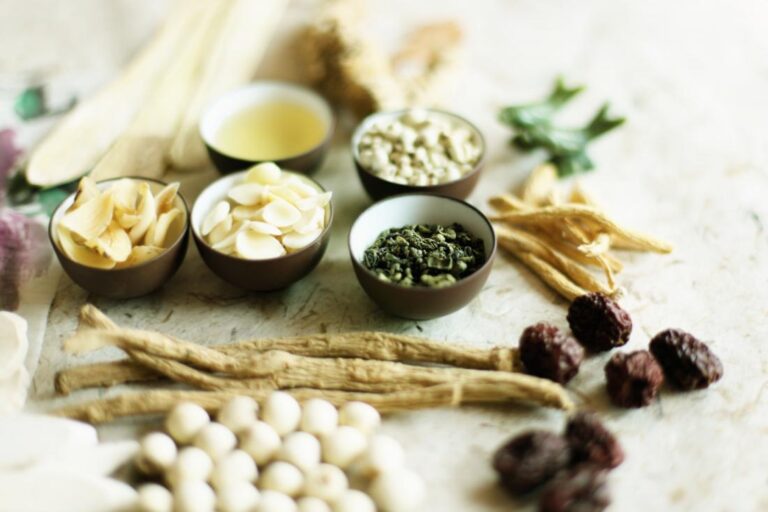
Migraines are more than just headaches—they’re intense, often debilitating experiences that can disrupt daily life. Many people seek natural remedies for relief, turning to herbal strategies for managing migraine pain. In this blog, we’ll explore the most effective herbal solutions for migraines, their benefits, and how to incorporate them into your wellness routine.
Understanding Migraines and Their Triggers
Migraines are neurological conditions characterized by severe headaches, nausea, and sensitivity to light and sound. Common triggers include stress, hormonal changes, certain foods, and lack of sleep. While traditional medications can help, many individuals prefer natural remedies to manage symptoms and prevent attacks.
Key Herbal Strategies for Managing Migraine Pain
Natural herbs have been used for centuries to address various ailments, including migraines. Here are the top herbal strategies for migraine:
1. Feverfew: The Migraine Herb
Feverfew is one of the most well-known herbs for migraines. It contains parthenolide, a compound that helps reduce inflammation and prevent blood vessel spasms, two common migraine triggers.
How to Use Feverfew:
- Take feverfew supplements as capsules or tablets.
- Brew feverfew tea using dried leaves.
- Consult your healthcare provider for appropriate dosage.
By incorporating feverfew into your routine, you can explore herbal strategies for managing migraine pain effectively.
2. Butterbur: A Natural Pain Reliever
Butterbur is another powerful herb for migraines. Studies have shown that butterbur extract can reduce migraine frequency. Its anti-inflammatory properties make it a popular choice.
How to Use Butterbur:
- Choose PA-free butterbur supplements for safety.
- Take it daily to prevent migraines.
- Avoid using raw butterbur, as it contains toxic compounds.
Butterbur is a safe and effective herb when used correctly, showcasing the power of herbal strategies for managing migraine pain.
3. Peppermint: Cooling Relief for Migraine Pain
Peppermint’s cooling effect is ideal for soothing migraine symptoms. Its menthol content can relax tense muscles and alleviate headaches.
How to Use Peppermint:
- Apply peppermint essential oil to your temples.
- Inhale peppermint steam for quick relief.
- Drink peppermint tea to calm your system.
This refreshing herb is an excellent addition to your toolkit for herbal strategies for managing migraine pain.
4. Ginger: A Versatile Remedy
Ginger is celebrated for its anti-nausea properties, making it especially useful during migraine attacks. It also has anti-inflammatory effects that can reduce pain.
How to Use Ginger:
- Add fresh ginger to your tea or meals.
- Take ginger capsules for convenience.
- Make a ginger-infused drink for instant relief.
As part of your herbal strategies for managing migraine pain, ginger offers both prevention and treatment benefits.
5. Lavender: Calming and Restorative
Lavender is widely used for relaxation and stress relief, two crucial factors in migraine management. Its soothing aroma can help reduce headache severity.
How to Use Lavender:
- Diffuse lavender essential oil in your room.
- Apply diluted lavender oil to your temples.
- Take a lavender-infused bath for deep relaxation.
Lavender demonstrates how herbal strategies for managing migraine pain can also enhance overall well-being.
6. Willow Bark: Nature’s Aspirin
Willow bark contains salicin, a compound similar to aspirin, which helps relieve pain and inflammation. It’s a natural choice for headache relief.
How to Use Willow Bark:
- Take it as a tea or supplement.
- Use under medical supervision to avoid potential side effects.
Including willow bark in your herbal strategies for managing migraine pain can provide significant relief.
7. Chamomile: Gentle and Effective
Chamomile is known for its calming effects and ability to relieve tension headaches. It’s particularly useful for stress-induced migraines.
How to Use Chamomile:
- Drink chamomile tea regularly.
- Use chamomile oil for massages.
- Combine with other herbs for enhanced effects.
Chamomile’s gentle nature makes it a staple in herbal strategies for managing migraine pain.
8. Passionflower: Relaxing the Mind
Passionflower helps reduce stress and anxiety, common migraine triggers. Its sedative properties promote relaxation and better sleep.
How to Use Passionflower:
- Take passionflower supplements before bedtime.
- Brew passionflower tea for calming effects.
- Combine it with lavender or chamomile for a holistic approach.
Passionflower showcases how herbal strategies for managing migraine pain can improve mental and physical health.
9. Turmeric: The Anti-Inflammatory Hero
Turmeric’s active ingredient, curcumin, has strong anti-inflammatory properties. It’s effective in reducing inflammation linked to migraines.
How to Use Turmeric:
- Add turmeric powder to your meals.
- Take curcumin supplements for concentrated benefits.
- Pair turmeric with black pepper for better absorption.
Turmeric is a versatile addition to herbal strategies for managing migraine pain.
10. Valerian Root: Promoting Restful Sleep
Valerian root is excellent for improving sleep quality and reducing stress. A good night’s sleep is essential for migraine prevention.
How to Use Valerian Root:
- Take valerian root supplements.
- Drink valerian tea before bed.
- Combine with other calming herbs for maximum effect.
Valerian root highlights the holistic nature of herbal strategies for migraine.
Best Practices for Using Herbs for Migraines
While herbal remedies offer significant benefits, using them correctly is crucial. Here are some best practices:
- Consult a Healthcare Professional: Always consult your doctor before starting herbal treatments.
- Start with Low Dosages: Begin with small amounts to monitor your body’s response.
- Choose High-Quality Products: Opt for reputable brands to ensure safety and efficacy.
- Be Consistent: Use herbs regularly for preventive effects.
- Combine with Lifestyle Changes: Pair herbs with stress management, hydration, and a balanced diet.
Conclusion
Herbal strategies provide a natural and effective alternative to conventional treatments. By incorporating herbs like feverfew, butterbur, and lavender into your routine, you can reduce migraine frequency and severity. Remember to consult a healthcare professional for personalized advice. With these natural remedies, managing migraines can become less daunting and more empowering.
Read Our blog